
Last updated October 9, 2026
Full 25-point door and opener safety check with every visit - springs, cables, rollers, tracks, and your LiftMaster or Chamberlain opener included
You get a price before we start. It does not change when the truck arrives.
 Before
 After
After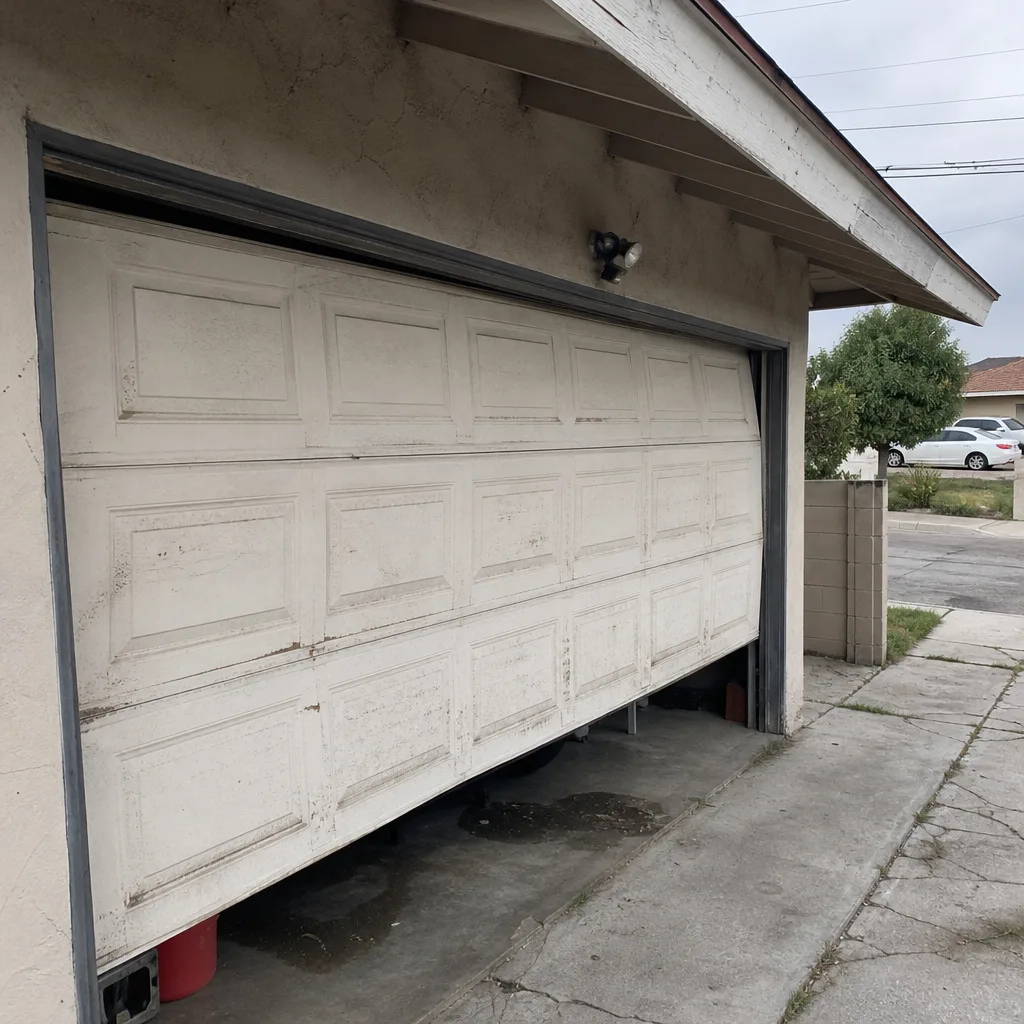 Before
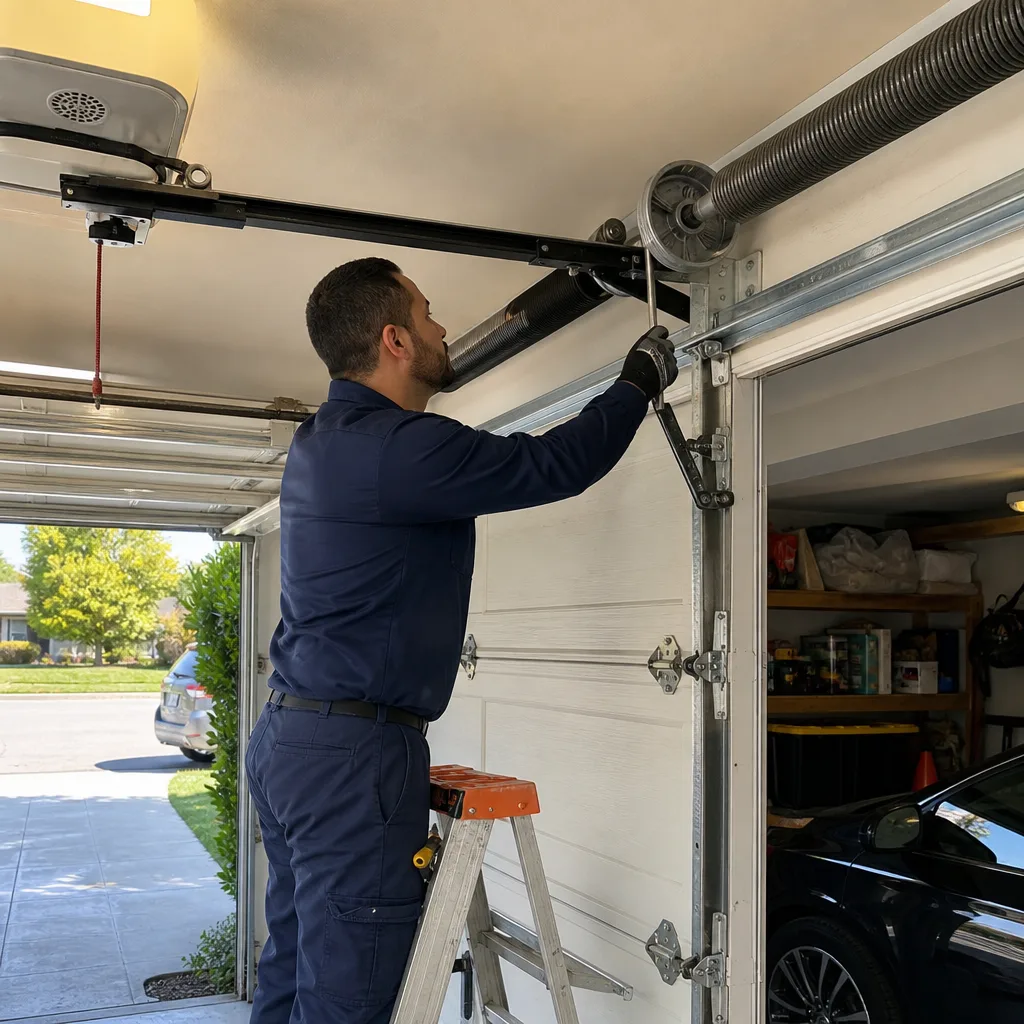 After
After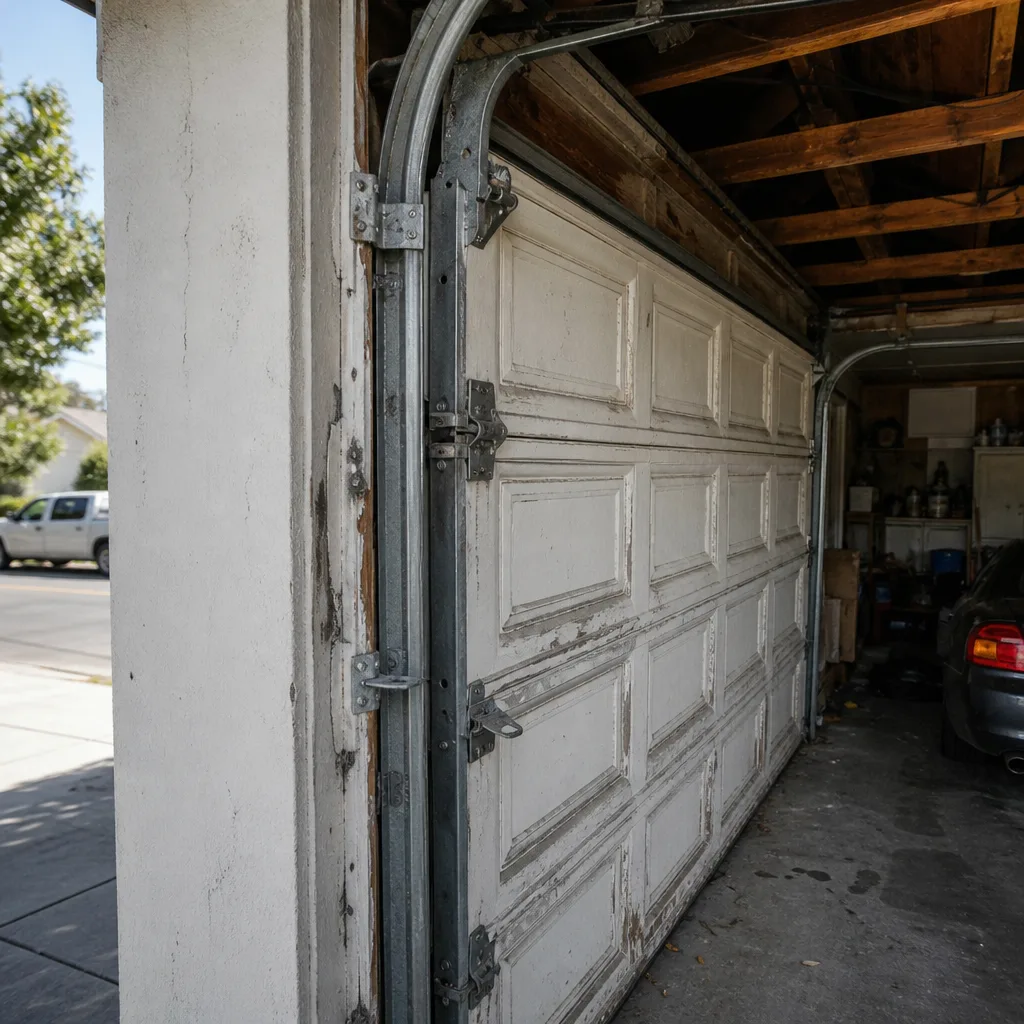 Before
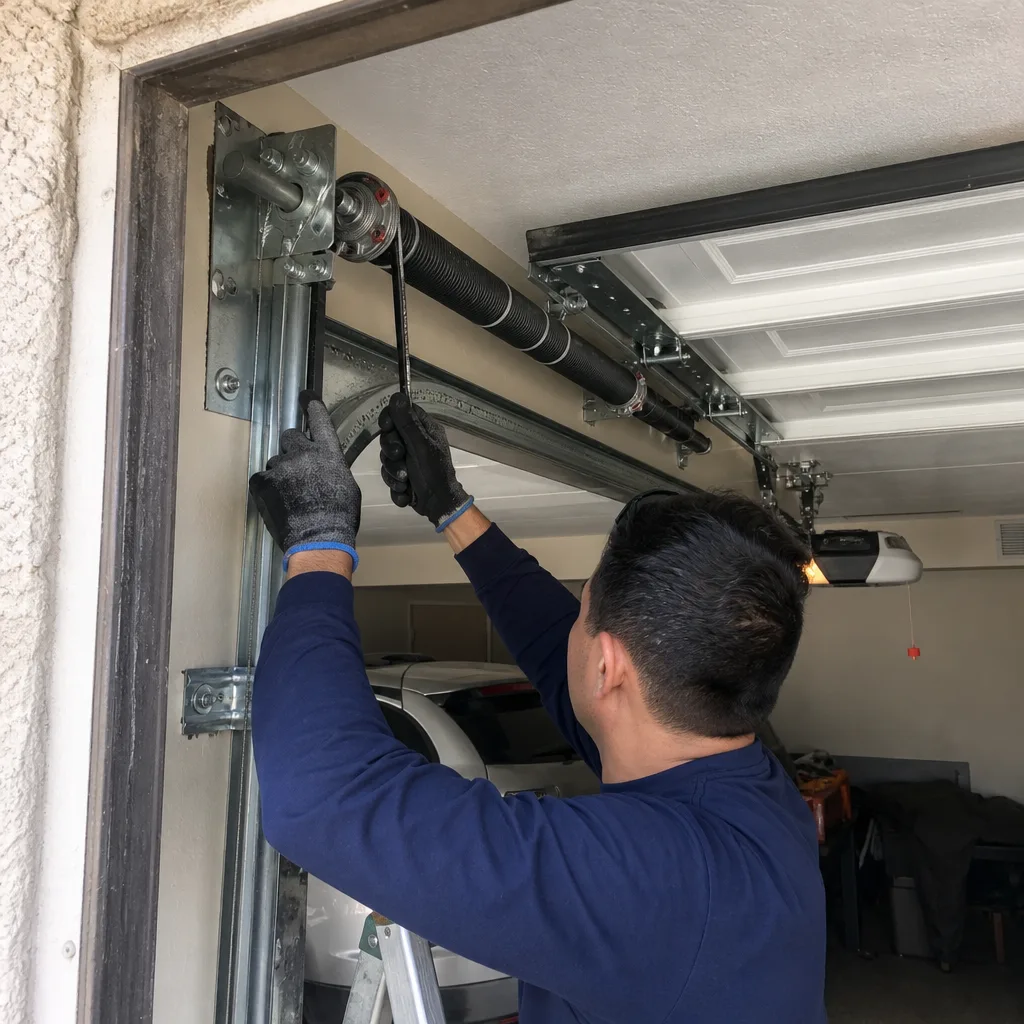 After
AfterHow Long Does Garage Door Spring Repair Take? Timelines and What to Expect
A torsion spring wound to the wrong tension will snap again within weeks, and the repair that “only took 25 minutes” is usually the one that did it. In Los Angeles, where garage doors cycle open and closed more times per day than almost anywhere else in the country, a rushed spring job is a callback waiting to happen. This guide breaks down the real clock on Garage Door Spring Repair services: what happens during each phase, how long each step should actually take, and how to tell if your technician is doing the job right or just doing it fast. You’ll learn what a proper wind count looks like, why some repairs legitimately take longer than others, and the simple checklist you can run before the tech packs up and leaves your driveway.
Quick Answer
A standard garage door spring repair in Los Angeles takes 45 to 90 minutes from driveway pull-up to final safety test when the technician carries the correct spring on the truck. Single-spring replacements on older doors typically run closer to 75 to 90 minutes because the lone spring must be wound to a higher tension and balanced across the entire door, while dual-spring systems usually finish in 45 to 60 minutes. If a parts run is required, add 1 to 3 hours depending on your distance from the supplier and Los Angeles traffic.
Table of Contents
- The 5 Phases of a Spring Repair: A Real Minute-by-Minute Breakdown
- Why Single-Spring Systems Take Longer Than Dual-Spring Setups
- How to Spot a Tech Rushing the Wind Count
- When Same-Day Service Is Realistic in Los Angeles
- The Parts Run: What Adds Hours to Your Repair
- The 5-Point Post-Repair Checklist Before the Tech Leaves
- Common Mistakes to Avoid
- When to Call a Professional
- Frequently Asked Questions
- The Bottom Line
The 5 Phases of a Spring Repair: A Real Minute-by-Minute Breakdown
Most homeowners picture spring repair as one continuous blur of activity. In reality, a proper job has five distinct phases, and each one has a realistic time range. Skip any of these phases and you’ll feel it later, usually within three to six months when the spring snaps again or the door starts drifting unevenly. Here’s what a thorough technician actually does on a Los Angeles service call.
Phase 1: Diagnosis and Door Assessment (5 to 10 minutes)
Before touching a single bolt, the tech should run a visual inspection of the entire door system. This includes checking the spring type (torsion or extension), measuring the existing spring’s wire size and inside diameter, inspecting the cable condition, and confirming the door’s weight and balance. A technician who skips this and starts unbolting things immediately is guessing. In our experience across Los Angeles neighborhoods from Van Nuys to Westchester, doors built before 1995 frequently have mismatched springs installed by previous repair companies, and catching that mismatch during diagnosis prevents a re-break weeks later.
Phase 2: Removing the Old Spring (10 to 15 minutes)
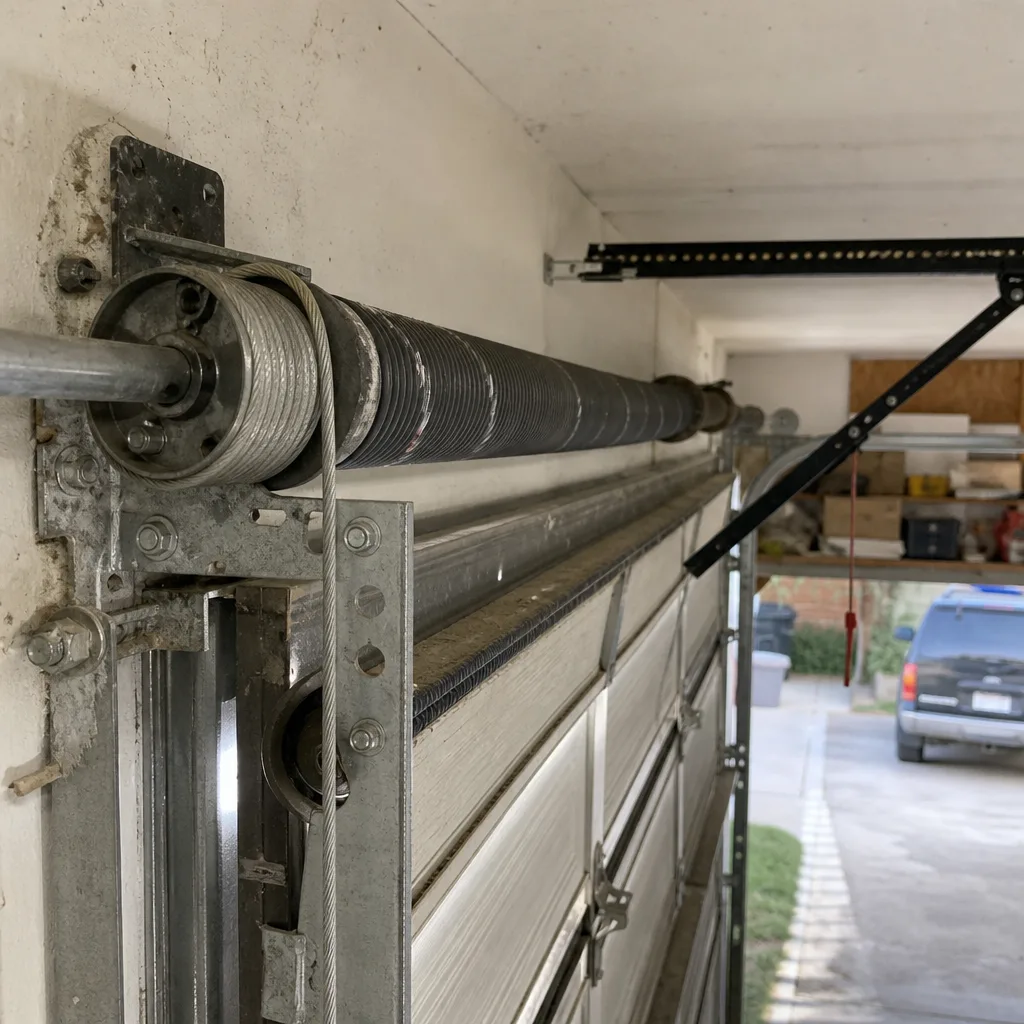
The old spring comes off after the tension is safely released. On torsion systems, this requires a winding bar procedure that must be done with deliberate care, one quarter-turn at a time. On extension spring systems, the safety cable inside the spring gets unhooked first. This phase also includes removing the spring anchor bracket, center bearing plate, and old cable drums if they’re worn. Expect 10 to 15 minutes for removal on a standard 7-foot door. A 15-minute removal is not slow. A 3-minute removal means someone skipped either diagnosis or safe tension release, and both are red flags.
Phase 3: Mounting the New Spring (10 to 15 minutes)
The replacement spring gets slid onto the torsion bar, secured with set screws, and aligned with the cable drums. The tech should verify the spring’s wire size and inside diameter match the old unit or, better yet, the door’s actual weight calculation. This is also when new bearing plates or bushings get installed if the old ones show wear. On a Chamberlain or LiftMaster system with a TorqueMaster-style enclosed spring assembly, this phase looks different: the entire tube assembly gets replaced rather than the spring alone, which can add 5 to 10 minutes.
Phase 4: Winding the Spring (10 to 20 minutes)
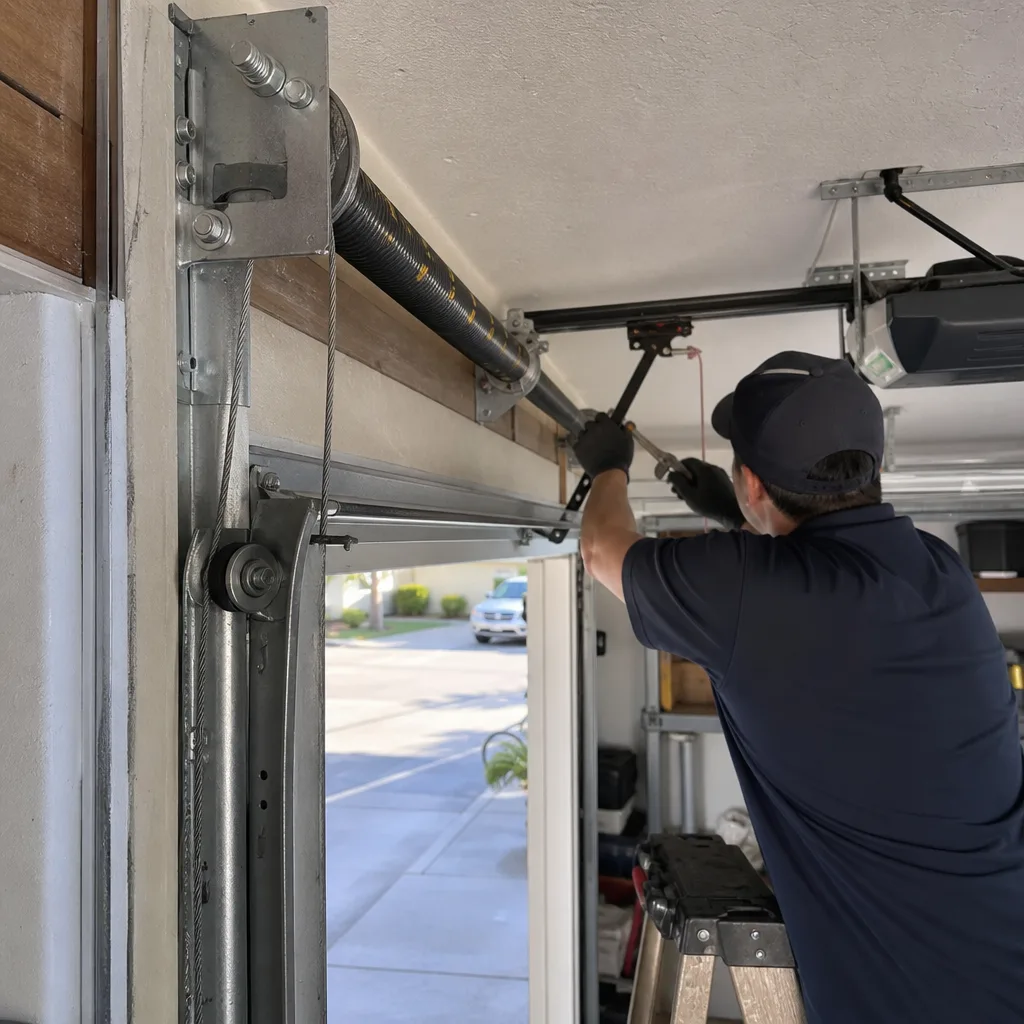
This is the heart of the repair and the step where rushed work does real damage. A torsion spring must be wound to a precise number of quarter-turns based on the door’s height and the spring’s wire diameter. For a standard 7-foot door using a 0.207-inch wire diameter spring, that’s usually 28 to 30 quarter-turns. Each quarter-turn requires inserting the winding bar, rotating, repositioning, and repeating. Done methodically, this takes 10 to 20 minutes. Done in a rush, a tech might under-wind or over-wind, and either mistake changes how the door balances, putting stress on the opener motor, cables, and the spring itself.
Phase 5: Balance Testing and Safety Verification (5 to 10 minutes)
The final phase is where the tech reconnects the opener, runs the door through several full cycles, and checks the balance at multiple positions. The door should stay put when opened halfway manually. The auto-reverse safety sensors should get tested with a solid object. Cable tension should match on both sides. This verification catches problems before the tech drives away. A proper safety test takes at least 5 minutes. If someone winds the spring, slaps the opener back on, and tells you you’re good to go in under 3 minutes, ask them to walk through the balance check again.
Why Single-Spring Systems Take Longer Than Dual-Spring Setups
This is the counterintuitive part most homeowners never hear: a door with one spring takes longer to repair correctly than a door with two. The logic seems backwards at first. One spring should mean less work than two, right? The reality is different because of what that single spring has to do.
A dual-spring system spreads the door’s weight across two springs working in tandem. Each spring carries roughly half the load, and each gets wound to its own specified tension. The winding process for each spring is shorter because each unit requires fewer quarter-turns.
A single spring, by contrast, must counterbalance the entire door weight on its own. That means more quarter-turns during winding, a higher tension load on the spring, and more precise balance checking after installation. A tech winding a single spring on a 16-foot wide, insulated door is managing significant stored mechanical energy. Every quarter-turn matters more because there’s no second spring compensating for a slight miscalibration. In our work across Los Angeles, from Sherman Oaks to Eagle Rock, single-spring doors consistently take 15 to 25 minutes longer on the winding and testing phases than dual-spring doors of the same size. A technician who flies through a single-spring winding in under 10 minutes is either exceptionally experienced or dangerously careless, and you should assume the latter.
This is also where brand matters. A garage door spring repair in Los Angeles on a Craftsman or Raynor door often involves matching the original spring specifications exactly, because those brands have tighter tolerance ranges on their door balance. The difference between getting it right and getting it close is a door that feels weightless by hand and one that strains the opener on every cycle.
How to Spot a Tech Rushing the Wind Count
The single most important thing you can do as a homeowner during a spring repair is watch the winding phase. Not because you need to understand the mechanics of torque and coil deflection, but because the pace and pattern of the work tells you everything about the quality of the job you’re paying for. Here’s what a rushed winding looks like, based on what we’ve seen correcting other companies’ work across Los Angeles.
- The tech barely pauses between quarter-turns. Winding a torsion spring is a repetitive motion: insert the bar, rotate a quarter-turn, reposition the bar, repeat. Each quarter-turn should have a deliberate rhythm. If the tech is moving so fast you can’t track individual rotations, they’re not feeling the tension build, and that’s how over-winding happens.
- They don’t count out loud or mark the count. Most experienced technicians count quarter-turns silently or track them on a notepad. But a tech who can’t tell you how many quarter-turns the spring got when you ask directly is a tech who wasn’t counting. That’s a bad sign.
- The winding phase takes under 8 minutes on a single-spring door. We said it above and we’ll say it again: a single spring on a full-weight door needs 10 to 20 winding minutes minimum when done properly. Under 8 minutes means corners got cut.
- They skip the balance test at the end. After winding, the tech should disconnect the opener and manually lift the door to multiple positions. If the door shoots up or crashes down at any point, the winding is off. If the tech never does this test, the job isn’t done.
If you spot any of these signs, ask the technician to walk you through the winding and balance check before they leave. A professional who did the work properly won’t hesitate to show you. A rushed one will deflect or rush out.
When Same-Day Service Is Realistic in Los Angeles
Same-day garage door spring repair in Los Angeles is absolutely possible, but it depends on three factors: the time of day you call, the spring type on your door, and where you’re located relative to the supply houses. Here’s the honest breakdown.
If you call before noon on a weekday, your odds of same-day service are strong. Most repair companies in the Los Angeles metro area stock the most common torsion spring sizes (0.207, 0.218, 0.225, 0.234 wire diameters) on their trucks. If your door uses one of these common sizes, a same-day repair is realistic for neighborhoods across the basin, from the Westside to the San Fernando Valley to the San Gabriel Valley.
If your door uses a less common spring, like the enclosed TorqueMaster tube on some newer Marlow Garage Door Repair home service areas in the Los Angeles foothills, the truck may not have it. Same-day turns into next-day while the part gets sourced. That’s not a failure of service; it’s the reality of a city with 500,000 residential garage doors and dozens of possible spring configurations.
One more real-world factor: Los Angeles traffic. A tech finishing a job in Santa Monica at 3 PM cannot reach Pasadena by 3:45. When a company quotes you a same-day window, ask if the tech is already in your part of the city. A live-arrival tracking link, like the one we use through The Relay Visibility Guarantee, shows you exactly where the technician is and eliminates the guesswork. You’ll know if same-day was a realistic promise or just a scripted one.
The Parts Run: What Adds Hours to Your Repair
Sometimes the spring on your door is not something a tech can pull from the truck. When that happens, your repair timeline extends by one to three hours, occasionally more. Knowing what triggers a parts run helps you set realistic expectations before the technician even arrives.
The most common reason for a parts run in Los Angeles is a spring size that falls outside the standard stock range. Older doors built in the 1980s and 1990s, particularly in neighborhoods with original construction like Studio City and parts of the San Fernando Valley, frequently use spring wire sizes that are now uncommon. A door that was originally installed with a specific brand, like a Chamberlain opener paired with a matching Chamberlain spring system, may also require a brand-specific replacement part.
The second reason is cable or drum damage discovered during diagnosis. If your cables are frayed or your drums are worn, those need replacing alongside the spring. A technician who carries a full garage door cable repair in Los Angeles kit will still need to match the drum to your specific torsion bar diameter, and sometimes that means a run to the supplier.
The third reason is less obvious: aftermarket springs. Some previous repair companies install non-standard springs that don’t have direct replacements. A new spring has to be calculated from the door’s weight and height, not just matched to the old part. That calculation work is fast, but sourcing a non-stock size during LA afternoon traffic is not.
Here’s the practical takeaway for your timeline. If the tech has the right spring on board, expect a 45 to 90 minute repair. If a parts run is needed, expect the total visit to stretch to 2 to 4 hours. Ask the tech upfront whether they have the spring size your door needs before they start disassembly.
The 5-Point Post-Repair Checklist Before the Tech Leaves
You don’t need to understand spring torque math to verify a repair was done correctly. You just need to know what a finished job looks and sounds like. For more guides & resources, check our blog. Run through these five checks before the technician drives away from your Los Angeles home.
- Manual balance test. Disconnect the opener using the red emergency release cord, then lift the door manually to waist height. It should stay in place without you holding it. If it drops or rises, the winding tension is off. Have the tech adjust it before they leave.
- Cycle the door completely three times. The door should move smoothly through the full range of motion with no grinding, clunking, or hesitation. Listen for scraping sounds that indicate the door is binding against the track due to uneven balance.
- Check the springs visually. Both springs (if you have two) should look identical in coil spacing. One spring noticeably more stretched than the other means one was wound tighter than the other, and the mismatched tension will wear out the tighter spring first.
- Verify the written price matches the invoice. You should have received a written price before work started. The final invoice should match that number exactly. If it doesn’t, something is wrong. And under no circumstances should you accept a verbal “it ended up being more work” explanation after the fact. At Marlow’s garage door repair in Los Angeles, we put the price in writing before any wrench turns, and the number doesn’t change.
- Get the guarantee in writing. Ask what happens if the spring fails in six months. A quality repair includes a written warranty covering parts and labor. If the tech hesitates or offers only a vague “we’ll take care of you,” get specifics. The 365-Day Done Right Promise we give every customer in Los Angeles spells it out: if the repair isn’t right within a full year, we come back and make it right at no cost.
Common Mistakes to Avoid
- Choosing a company based on the fastest quote. A 20-minute spring replacement usually means skipped diagnosis, skipped balance testing, or both. Fast is not the same as good, and in Los Angeles where garage doors cycle constantly, a fast job often means a second repair within months.
- Not asking the spring type before agreeing to the repair. Extension springs cost less but fail sooner than torsion springs. A company that quotes you a price without specifying which type they’re installing is leaving themselves room to put in the cheaper option.
- Paying for the repair before seeing the written price. The price should be on paper or on a screen before work begins. Never accept a verbal estimate followed by a final bill that’s higher.
- Skipping the manual balance test after the job. This is the single most effective verification step a homeowner can do. It takes 30 seconds. If the door doesn’t stay put at the halfway point, the winding is wrong and the tech needs to fix it before leaving.
- Replacing only one spring on a dual-spring system. Both springs wear at roughly the same rate. If one has snapped, the other is close behind. Replacing both at once costs more up front but prevents a second service call and second labor charge within the year.
- Ignoring cable condition during a spring replacement. Frayed cables are a failure waiting to happen. When we replace a spring and see worn cables, we tell the homeowner and recommend doing them the same day, because the labor cost of doing it later is higher than doing it now.
When to Call a Professional
Garage door springs are under extreme tension and a spring repair is not a DIY project. The stored energy in a fully wound torsion spring is enough to cause serious injury if released improperly. If your spring has snapped, if your door is stuck halfway, if one cable is slack while the other is tight, or if you hear a loud bang from the garage and the door won’t open, call a professional. A trained technician has the winding bars, the safety training, and the experience to handle the repair without injury to themselves or damage to your door. See our guide on How to Hire a Garage Door Contractor in Los Angeles: A Step-by-Step Guide. Marlow Garage Door Repair offers free estimates in Los Angeles and has a live person answering the phone 24 hours a day at (512) 883-4374. We’ll give you a written price before any work starts, and every repair is backed by the 365-Day Done Right Promise.
Frequently Asked Questions
Replacing both springs on a standard dual-spring door takes 60 to 90 minutes from start to finish when the correct springs are on the truck. The job includes diagnosis, removal of both old springs, installation of both new springs, proper winding of each, and a full balance and safety test. If the springs are a common size and the door is a standard 7-foot residential model, the work usually trends toward the faster end of that range in Los Angeles.
Yes, same-day spring repair is realistic for most Los Angeles neighborhoods if you call before early afternoon on a weekday and your door uses a common spring size. The tech needs the correct spring on the truck, and the repair itself takes 45 to 90 minutes once they arrive. If your spring is a less common size, expect a parts run that adds one to three hours, or a next-day appointment. Call (512) 883-4374 and we’ll tell you straight whether same-day is realistic for your door.
A spring that re-breaks shortly after replacement was almost certainly wound to the wrong tension, mismatched to the door’s weight, or installed as a lower-quality single spring on a door that needed a dual-spring upgrade. Each of these failures traces back to a rushed or underqualified installation. A properly tensioned spring on a correctly matched system should last 10,000 cycles or more, which is roughly 7 to 10 years for a typical Los Angeles door cycling four times daily.
Spring replacement in Los Angeles typically runs $150 to $290 per spring, including the part and labor, depending on spring type, wire size, and door weight. Dual-spring systems cost more in parts but spread the load and last longer. You should receive a written price before any work starts, and that number should not change by the time the invoice arrives. Call (512) 883-4374 for a free estimate and an exact quote for your door.
Yes, in almost every case you should replace both springs at once on a dual-spring system. Both springs have cycled the same number of times and carry comparable wear. Replacing only the snapped spring leaves you with one fresh spring and one fatigued spring, which creates uneven balance and usually means the older spring fails within the year, triggering a second service call and a second labor charge.
A quality garage door spring warranty covers both the spring part and the labor to replace it if the part fails from a defect or installation error within the warranty period. Some companies offer a spring-only warranty on the part but no labor coverage, which means you still pay for the second service call. Our 365-Day Done Right Promise covers the full repair for a year: if something isn’t right, we come back and fix it at no cost to you.
The Bottom Line
A proper garage door spring repair in Los Angeles takes 45 to 90 minutes when the right part is on the truck, and any job completed in under 30 minutes deserves your suspicion. For year-round maintenance advice, see our Seasonal Garage Door Care for Los Angeles: Year-Round Homeowner’s Guide. The time difference between a rushed job and a correct one is small: 20 minutes of careful winding, balancing, and testing. That 20 minutes is what separates a spring that lasts seven years from one that snaps again in seven months. Ask for a written price before work starts, a live arrival window so you know when the tech is coming, and a written warranty before the tech leaves. If a company won’t give you those three things, call one that will.
Written by Jaylen Ross, Owner at Marlow Garage Door Repair, serving Los Angeles since 2002.