
Full 25-point door and opener safety check with every visit - springs, cables, rollers, tracks, and your LiftMaster or Chamberlain opener included
You get a price before we start. It does not change when the truck arrives.
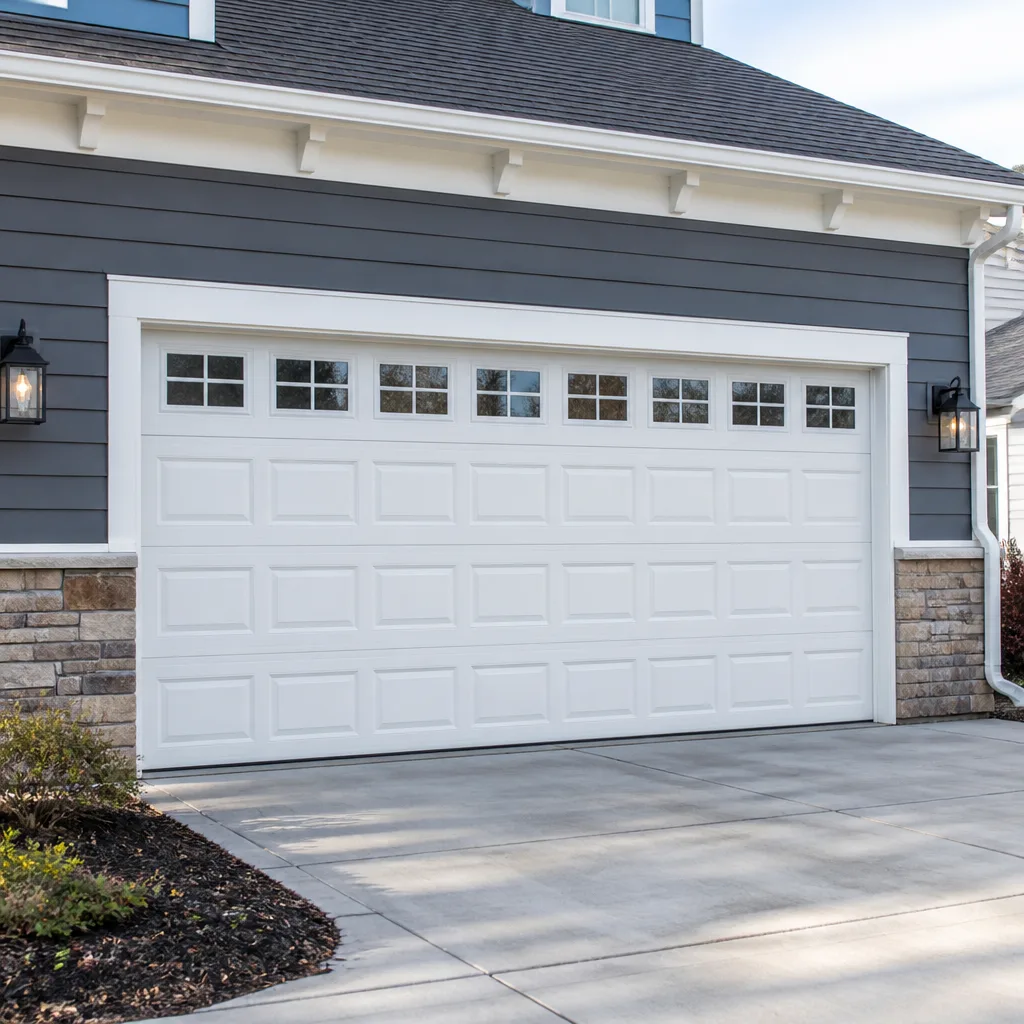
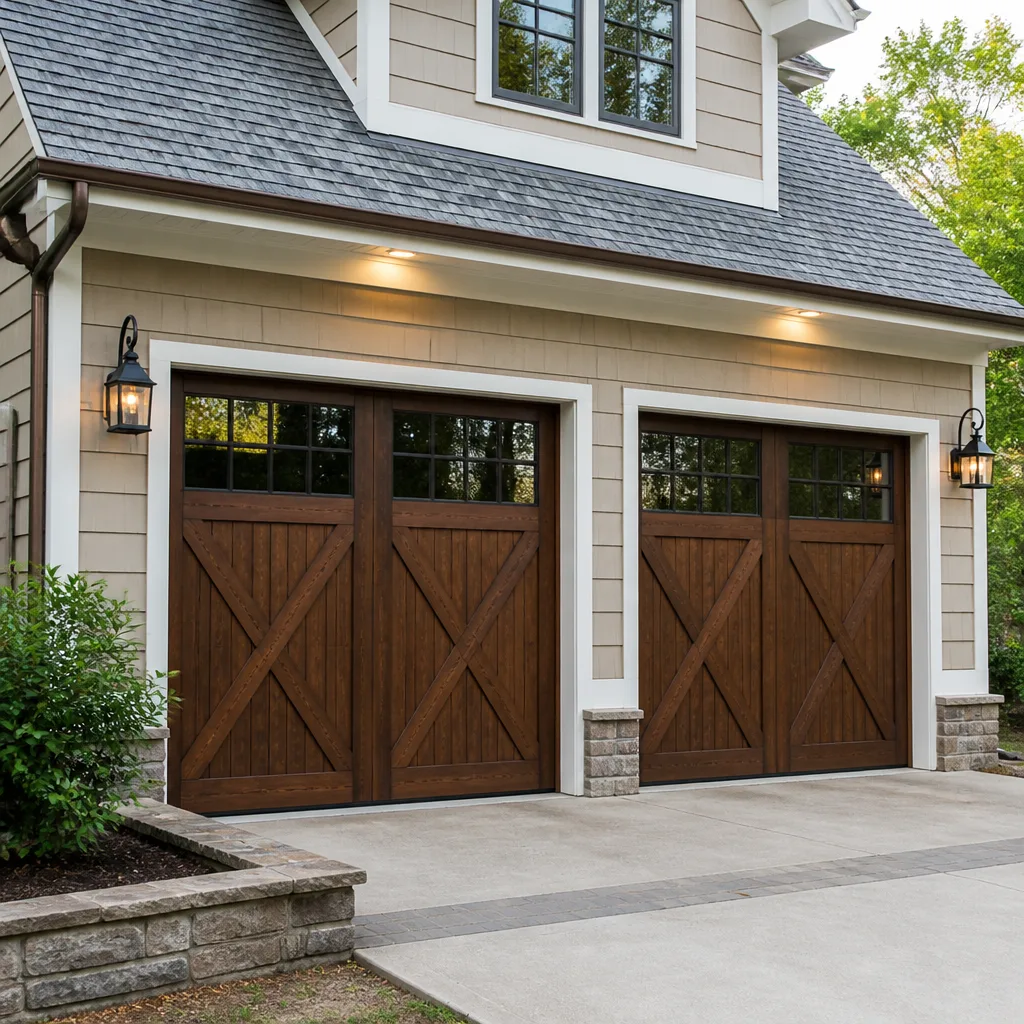
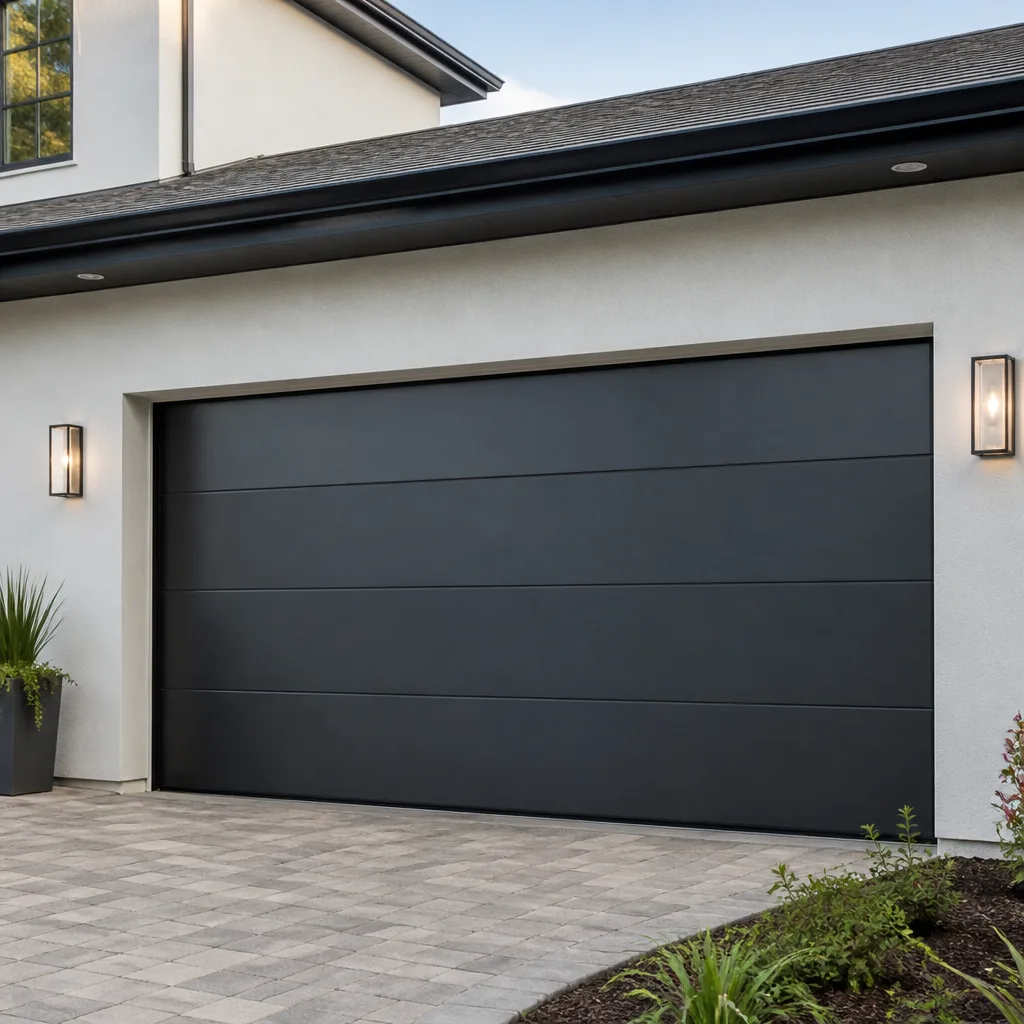
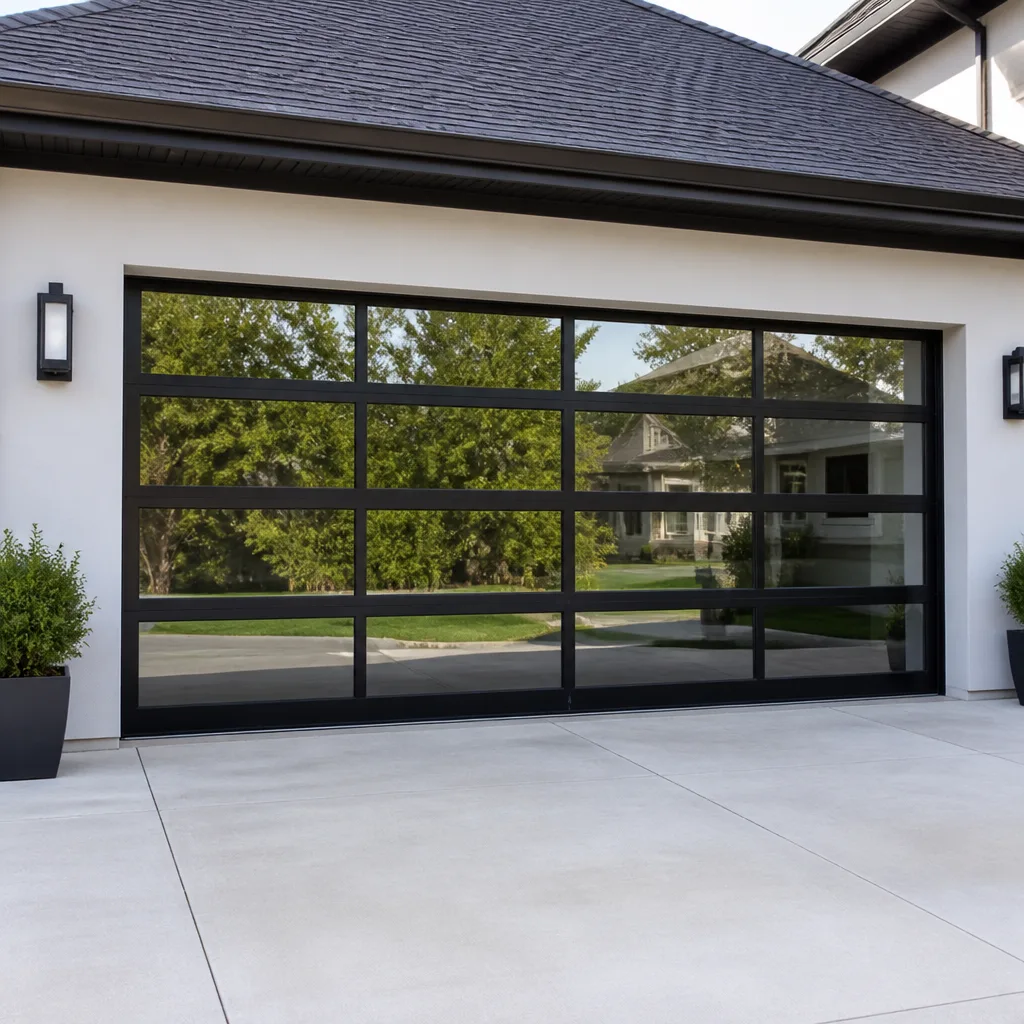
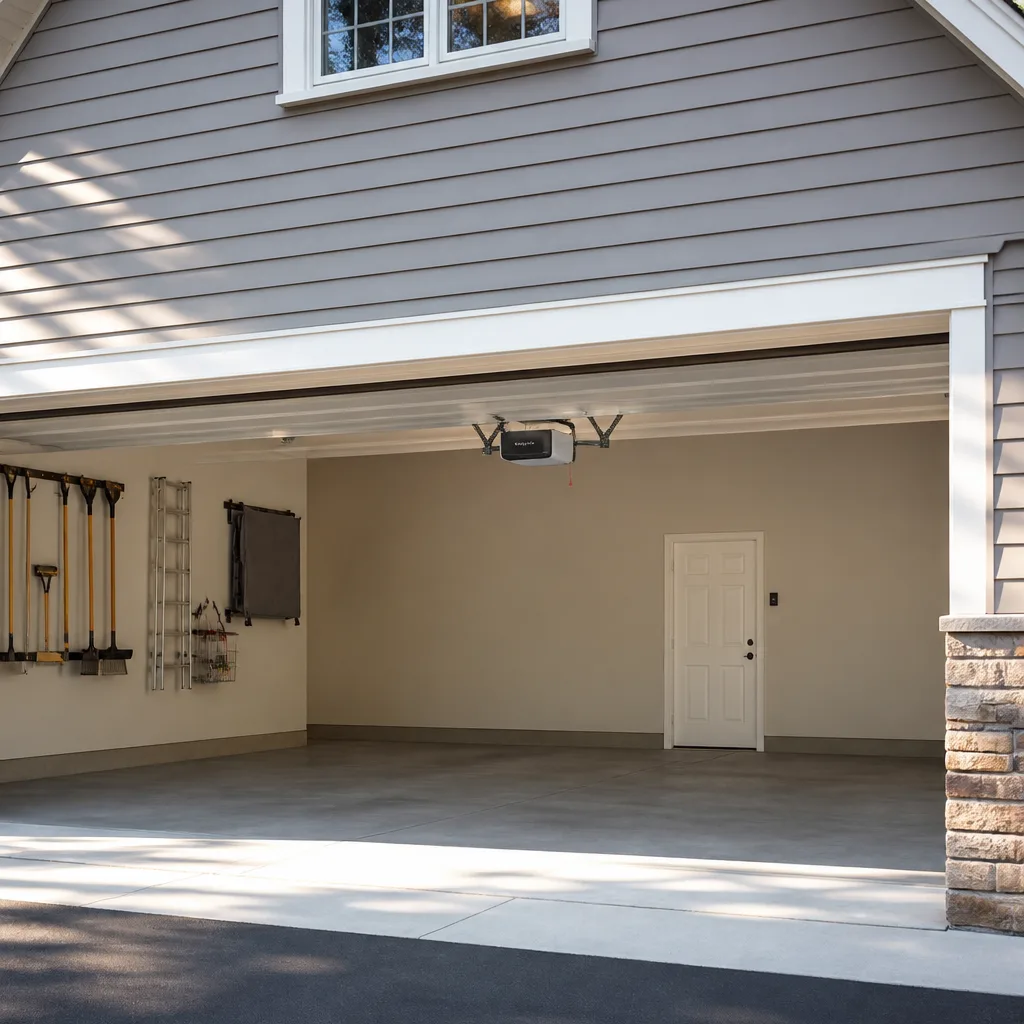
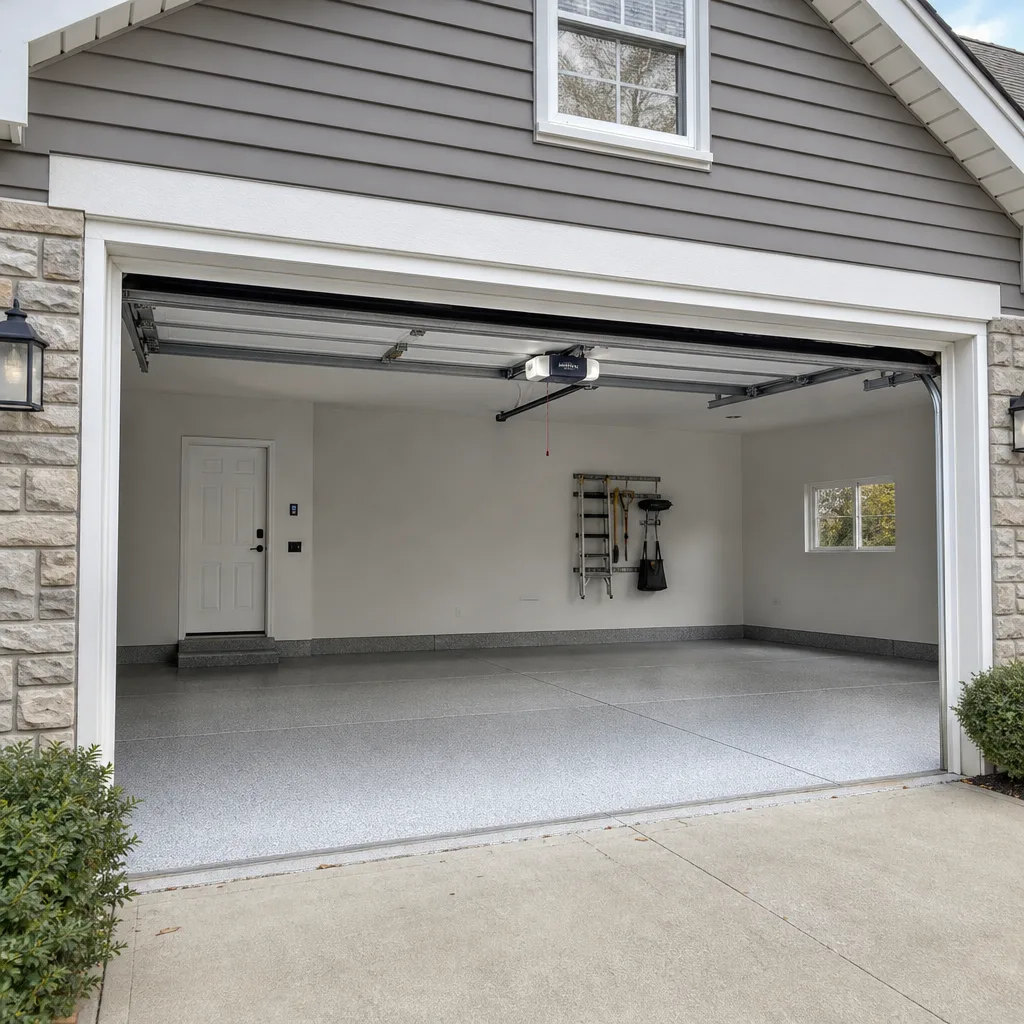
 Before
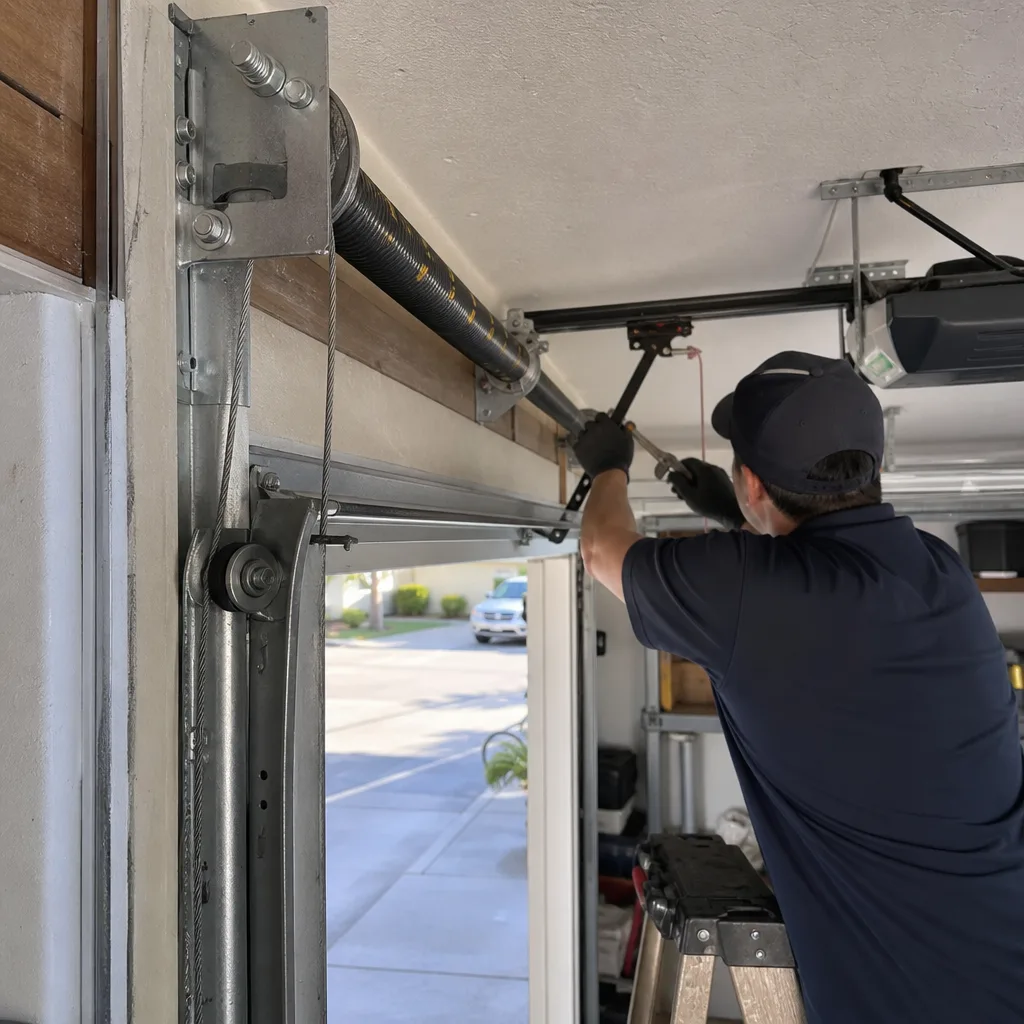 After
After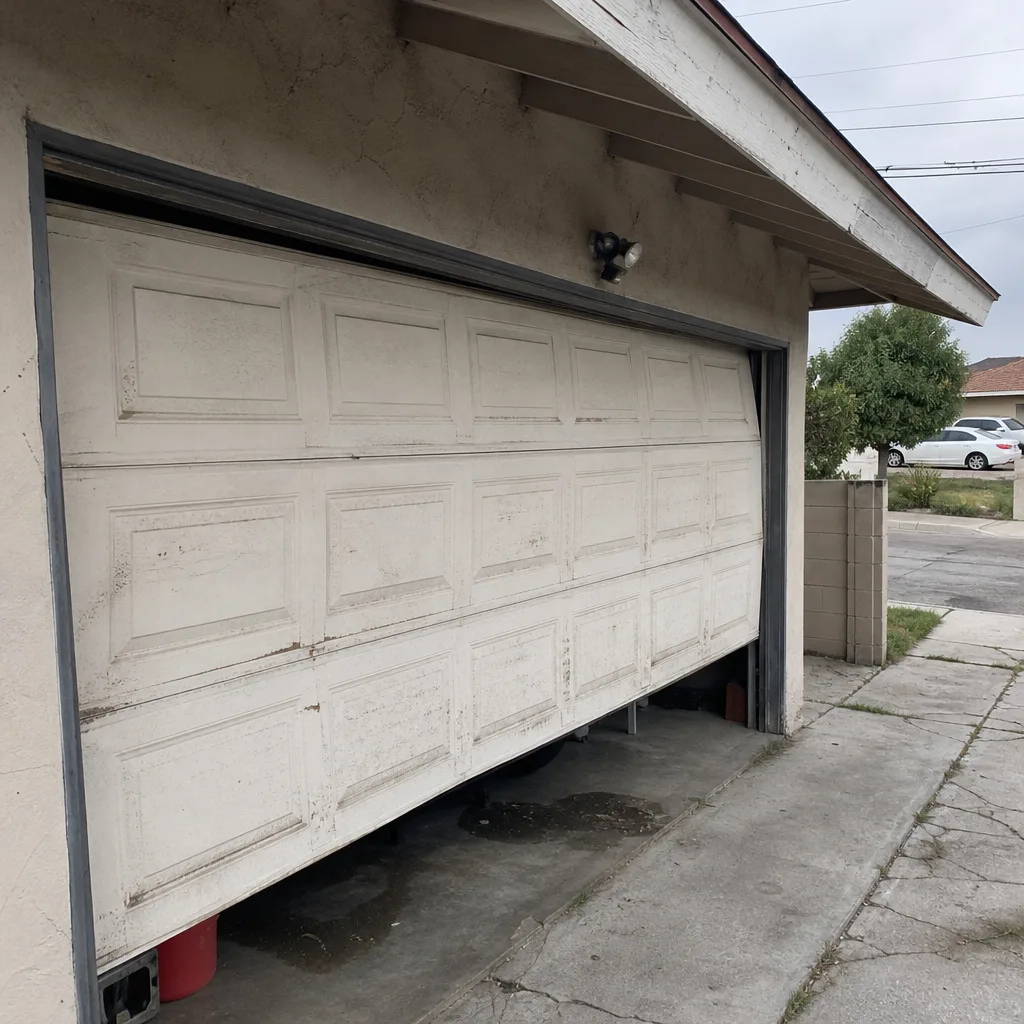 Before
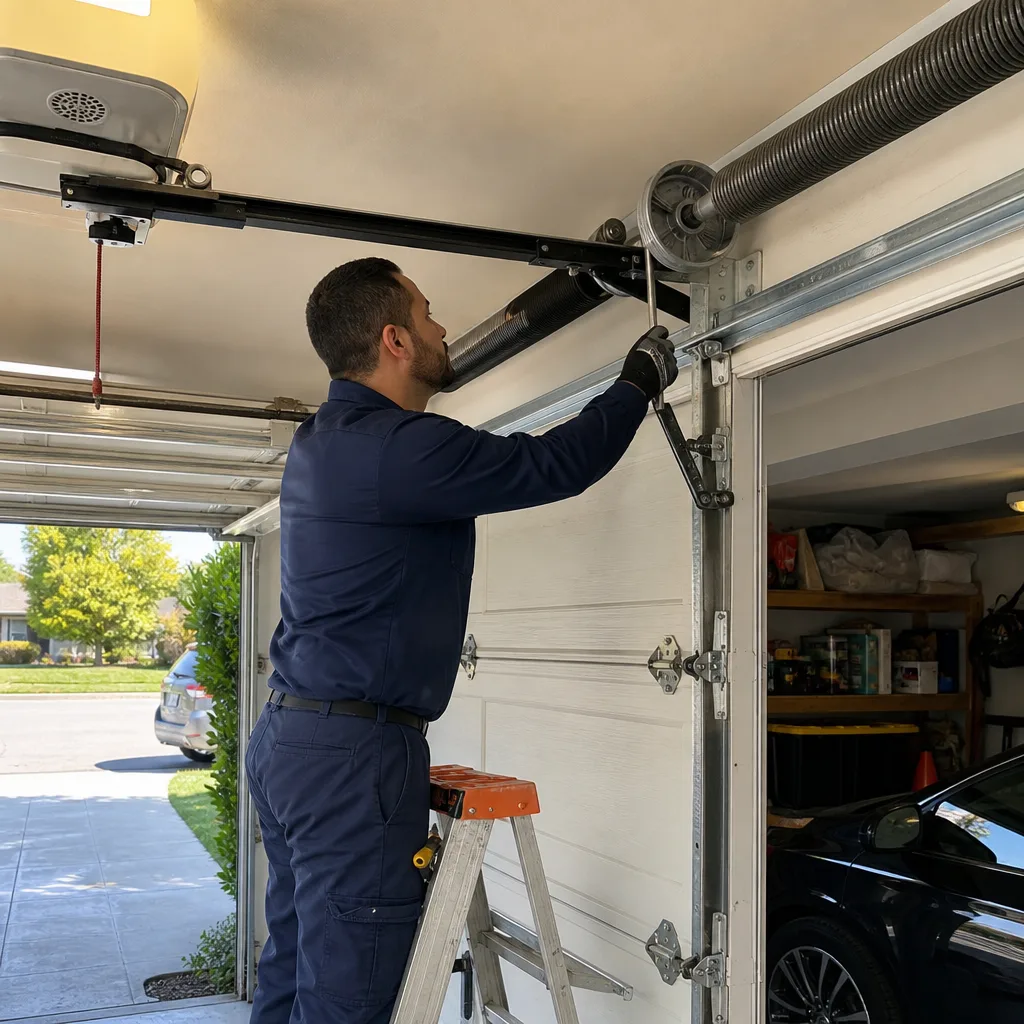 After
After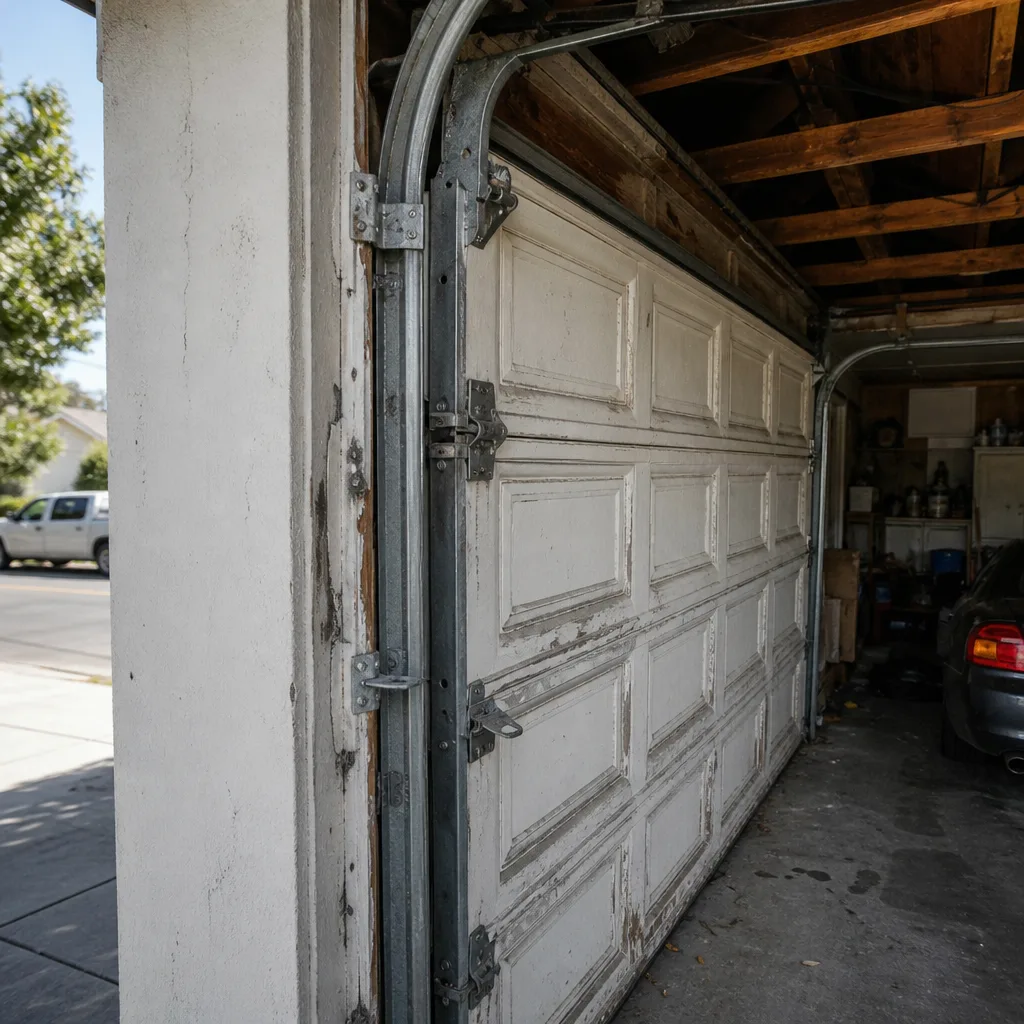 Before
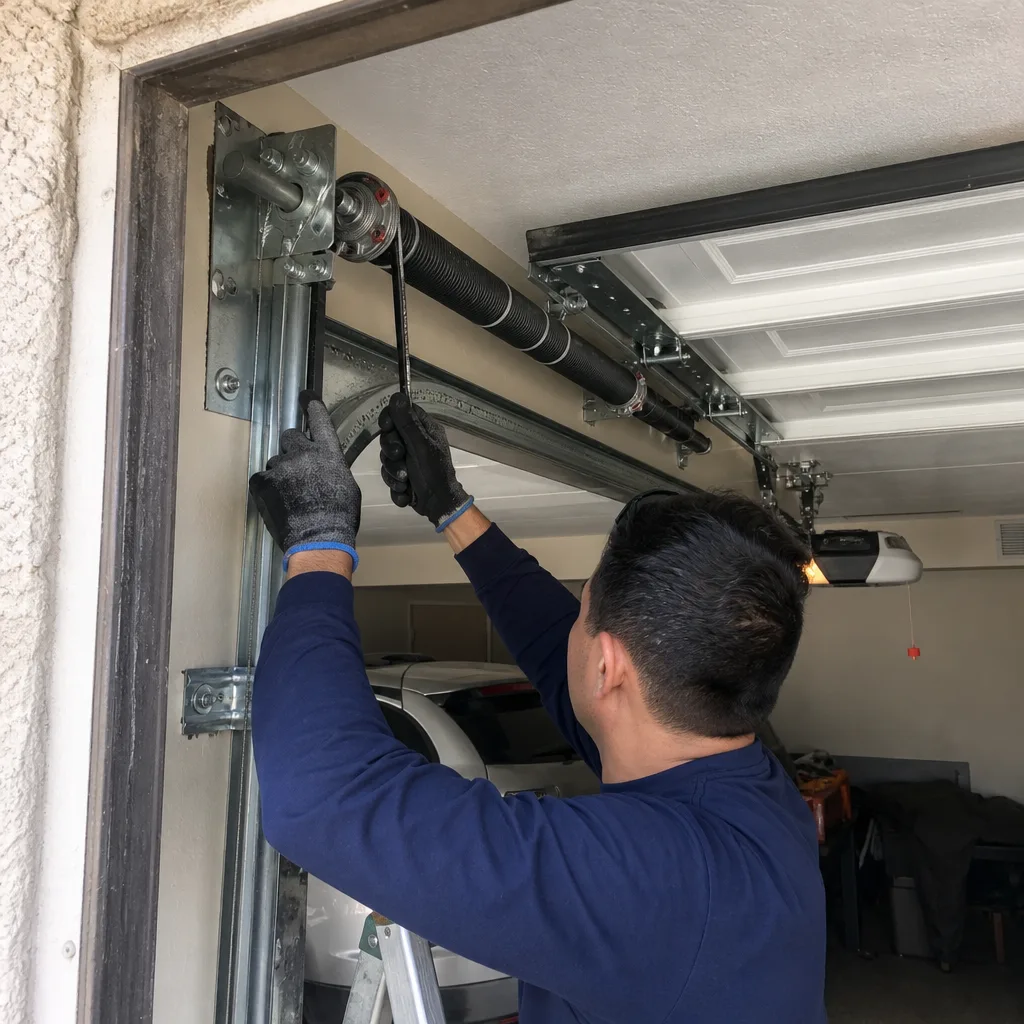 After
AfterGenie Roller Replacement: The Los Angeles Owner’s Guide
Replacing Genie garage door rollers in Los Angeles typically costs $130 – $260 installed, and we stock Genie-compatible rollers on our trucks for same-day swaps. The rollers are the small wheels attached to the sides of your door that ride inside the vertical and horizontal tracks. When one seizes, flattens, or snaps, you’ll usually hear it before you see it: a grinding sound, a jerky movement, or a door that suddenly feels like it weighs twice as much as it did last week.
Most Los Angeles homeowners discover a roller problem the hard way. The door starts shuttering on the way up, or one side hangs slightly lower than the other. You might notice black rubber crumbs on the garage floor near the track. That’s the nylon casing disintegrating. Jaylen Ross, who grew up in Leimert Park and has spent two-plus decades working on garage doors across the LA Basin, puts it plainly: when a Genie roller fails, the door keeps moving, but not without a fight. And that fight wears down everything else, from the cables to the opener motor.
We’re an independent service provider, not affiliated with Genie. We work on their products every day.
Which Genie Models This Applies To
Genie has used several roller specifications across its product line, and matching the right one matters more than people expect. Most residential Genie doors from the last 15 to 20 years use 11-ball or 13-ball nylon rollers with a 7/16-inch stem. Older Genie screw-drive era doors, particularly models from the 1990s and early 2000s, often used steel rollers with a wider 1/2-inch stem. If you install a 7/16-inch roller into a 1/2-inch hinge, it rattles. If you force a 1/2-inch stem into a 7/16 hinge, you’ll crack the hinge housing and turn a $130 repair into a $300 one.
We service Genie residential doors across the IntelliG, TriloG, and SilentMax lines, along with the older ProMax and Excelerator models. The easiest way to confirm your roller spec is to check the sticker on the door’s side jamb or the metal plate on the track. It should list the model number. If that sticker has faded or peeled off in the heat of a Valley summer, our technician can identify the right roller by measuring the stem diameter and wheel size on site. We carry both OEM-equivalent Genie rollers and quality aftermarket options from established manufacturers. For most Los Angeles homeowners, the aftermarket nylon rollers with sealed bearings outperform original steel rollers, which run louder and wear faster in dusty conditions.
Signs Your Genie Roller Replacement Is Failing
- Grinding or scraping during operation. When the nylon casing wears through, the steel bearing inside rides directly on the track. That metal-on-metal sound is your roller telling you it’s done.
- Door jerks or shudders on the way up. A seized roller doesn’t spin, it slides. That creates resistance at one point in the track, and the door visibly hesitates every time it passes that spot.
- Black rubber or plastic debris on the floor near the track. The outer nylon shell disintegrates as it ages, especially in Los Angeles garages that aren’t climate-controlled. The debris collects at the base of the vertical track.
- Visible flat spots or wobble on the wheel. Rollers can develop flat spots from years of sitting in the same position. A wobble usually means the bearing inside is shot, and the wheel is no longer tracking straight.
- Door sits unevenly or one side sags. When a bottom roller fails, that corner drops. The door then pulls harder on one cable, which accelerates cable wear. Ignoring a bad roller often turns into a cable replacement within months.
Replacement Cost & What’s Included
For Los Angeles homeowners, Genie roller replacement runs $130 – $260 installed. The range depends on two things: how many rollers you’re replacing and which type your door uses. A single basic nylon roller swap sits at the low end. Replacing all rollers on a double-wide door with upgraded 13-ball nylon rollers lands at the higher end. Some Los Angeles neighborhoods with older housing stock, like parts of West Adams or Highland Park, have doors from the 1980s and 1990s that need the larger 1/2-inch stem rollers, which cost slightly more.
The price you’re quoted is the price you pay. We deliver a written price before any wrench turns, and that number includes the parts, the labor, and the full installation. If we quote $180, the invoice says $180. Every roller replacement is covered by our 365-Day Done Right Promise: if the fix isn’t right, we come back and make it right within a full year, no charge. No fine print, no prorated nonsense.
Here’s what Los Angeles homeowners typically pay, based on what we see in the field:
- Single roller replacement: $130 – $150
- Full set, standard 7/16-inch nylon rollers: $180 – $220
- Full set, upgraded 13-ball rollers with sealed bearings: $220 – $260
DIY or Call Us?
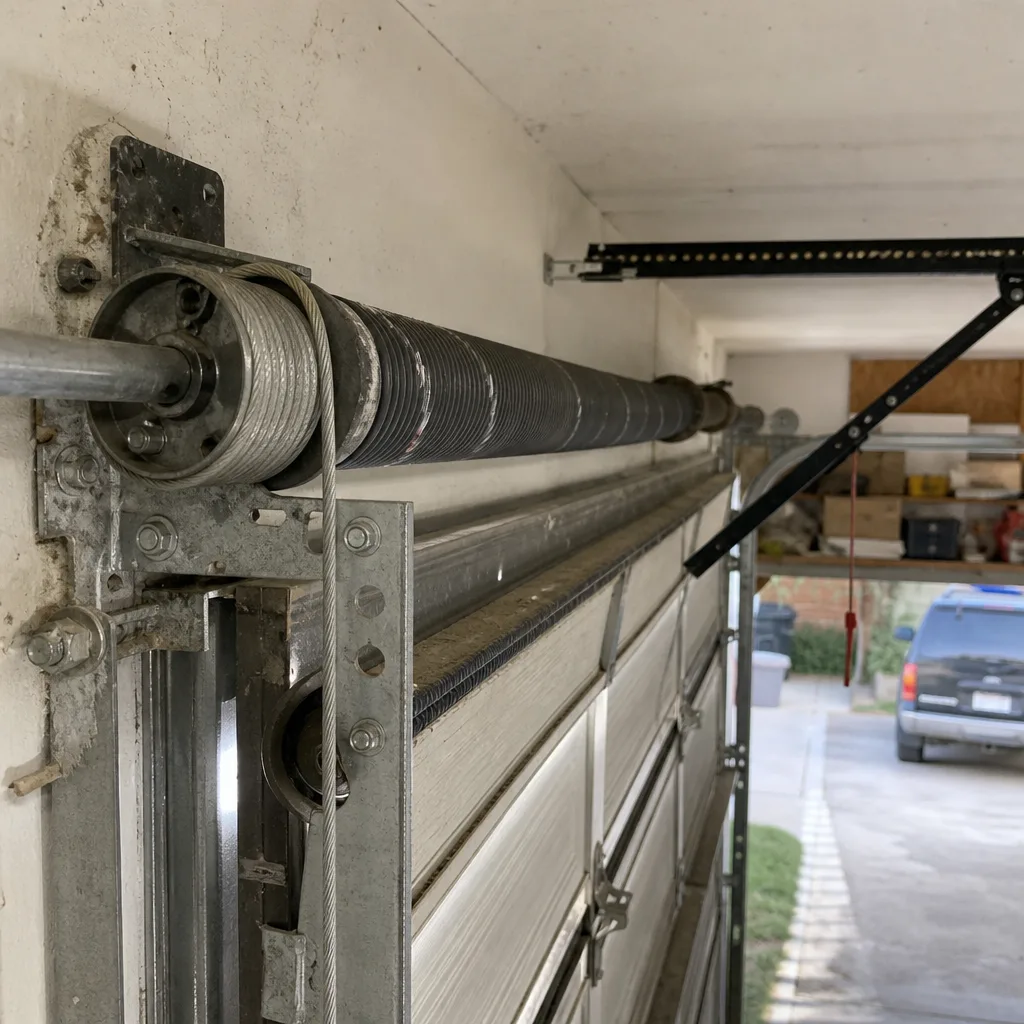
We’ll be straight with you: replacing a garage door roller yourself is not like replacing a light switch. The rollers sit under constant tension from the door’s springs, and the bottom roller brackets are bolted directly to the cables. If a cable slips while you’re working on it, that cable becomes a steel whip, and the door can drop hard enough to cause serious injury. Even on a door with the spring tension released, the bottom brackets are under load.
What you can safely do is inspect. Look at the rollers while the door is closed. Check for visible flat spots, cracked nylon, or wobble. Snap a photo of the model sticker if you can find one. Then call us at (512) 883-4374. Jaylen’s rule is simple: Tell me what’s wrong, I’ll tell you what it costs, then we fix it. Our technicians arrive with the right rollers on the truck, a written price in hand, and the job done in under an hour in most cases.
FAQs
Most nylon rollers on Genie doors last 7 to 10 years in Los Angeles, but doors that face direct afternoon sun or sit in hot, dry garages across the San Fernando Valley can wear out in as little as 5 years. The heat accelerates the nylon degradation, and the fine dust that blows through many LA neighborhoods works its way into the bearings. Steel rollers last longer but run louder from day one.
No, a roller with a seized bearing or a cracked nylon shell can’t be repaired. The internal bearing is sealed, and the nylon wheel is molded around it as a single unit. Once it fails, replacement is the only option. The good news is that replacement is fast and affordable, typically done same-day. Call (512) 883-4374 and we’ll confirm the price before we start.
A full roller replacement on a standard two-car garage door takes 45 to 75 minutes. Most Los Angeles homeowners book it as a same-day appointment, and we handle the swap without removing the door from the tracks. You’ll get a written price before work begins, and you can watch your technician’s live arrival time before they pull up.
Yes. Our trucks carry Genie-compatible rollers in the common 7/16-inch and 1/2-inch stem sizes, along with nylon and steel options. We also stock parts for LiftMaster and Chamberlain doors. If your door needs an unusual spec, we’ll source it locally and reschedule the install within a day or two.
If your Genie door is grinding, wobbling, or leaving black crumbs on the floor, call Marlow Garage Door Repair at (512) 883-4374. We’ll quote the job over the phone, show up when we say we will, and hand you a written price before touching a single bolt. Free estimates, same-day service, and a 365-Day Done Right Promise on every repair.
Written by Jaylen Ross, Owner & Lead Technician, Marlow Garage Door Repair at Marlow Garage Door Repair, serving Los Angeles and nearby areas.