
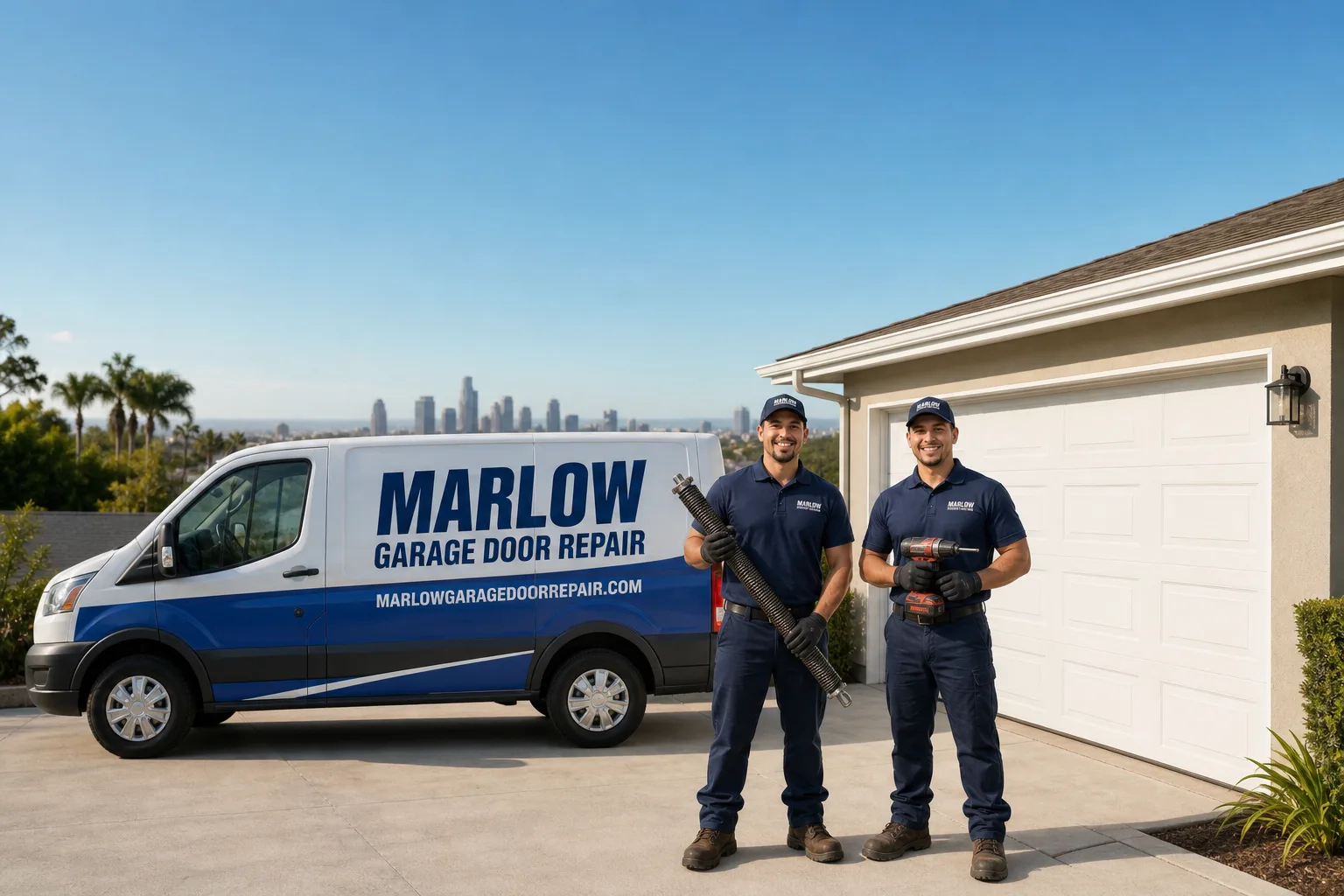
Full 25-point door and opener safety check with every visit - springs, cables, rollers, tracks, and your LiftMaster or Chamberlain opener included
You get a price before we start. It does not change when the truck arrives.
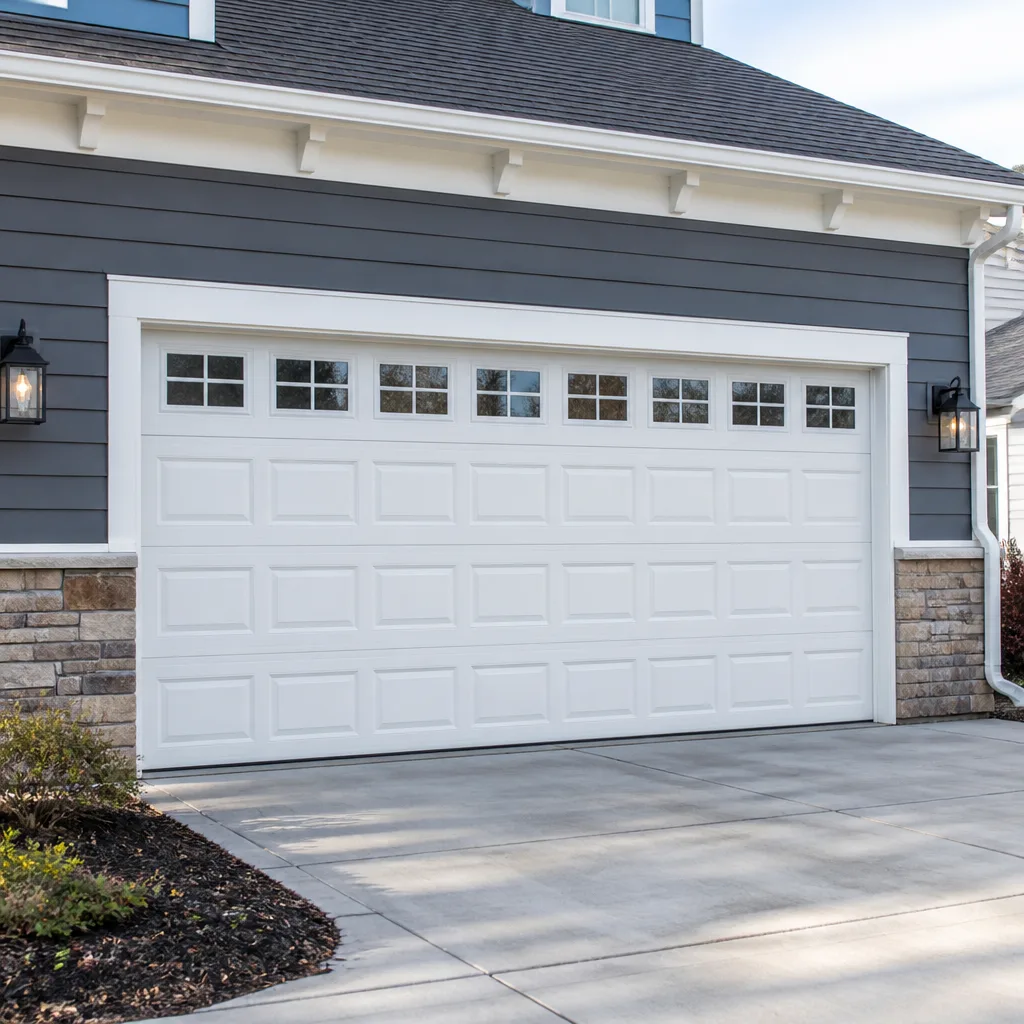
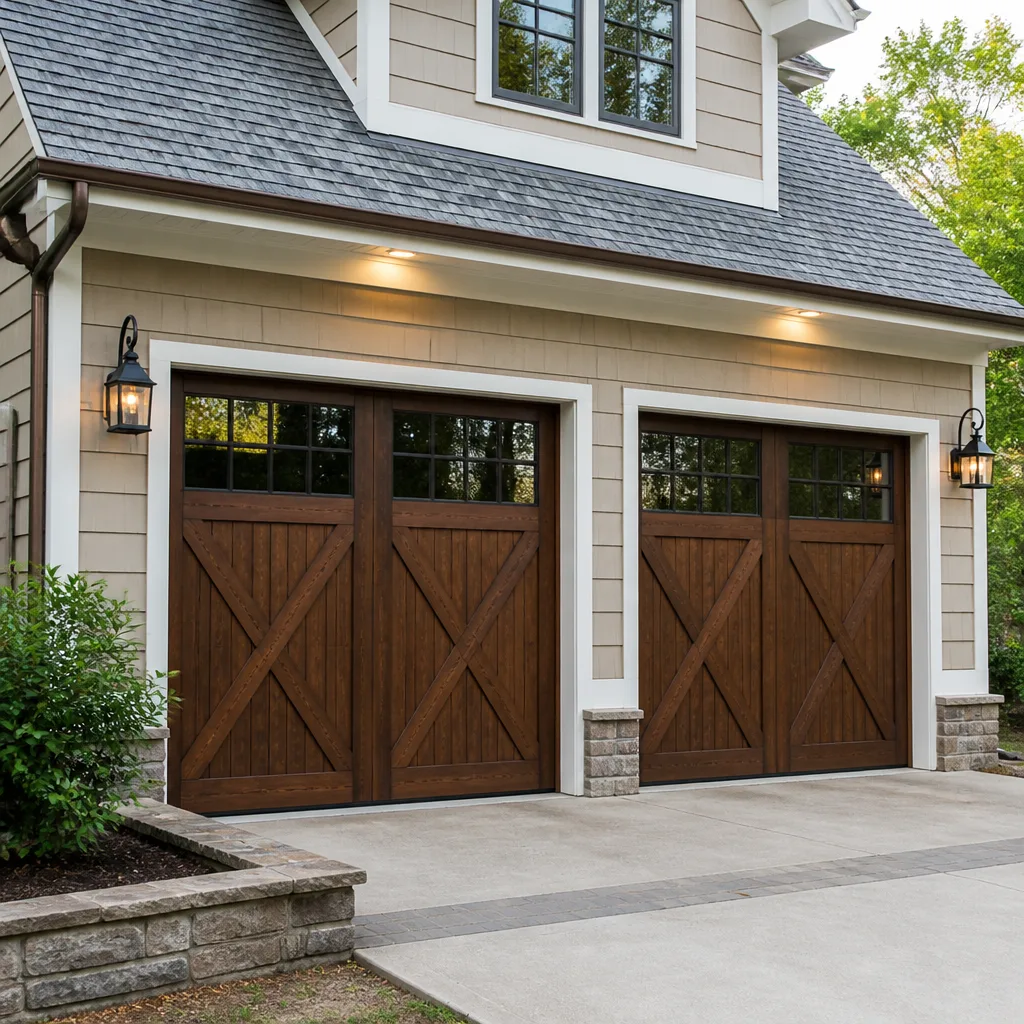
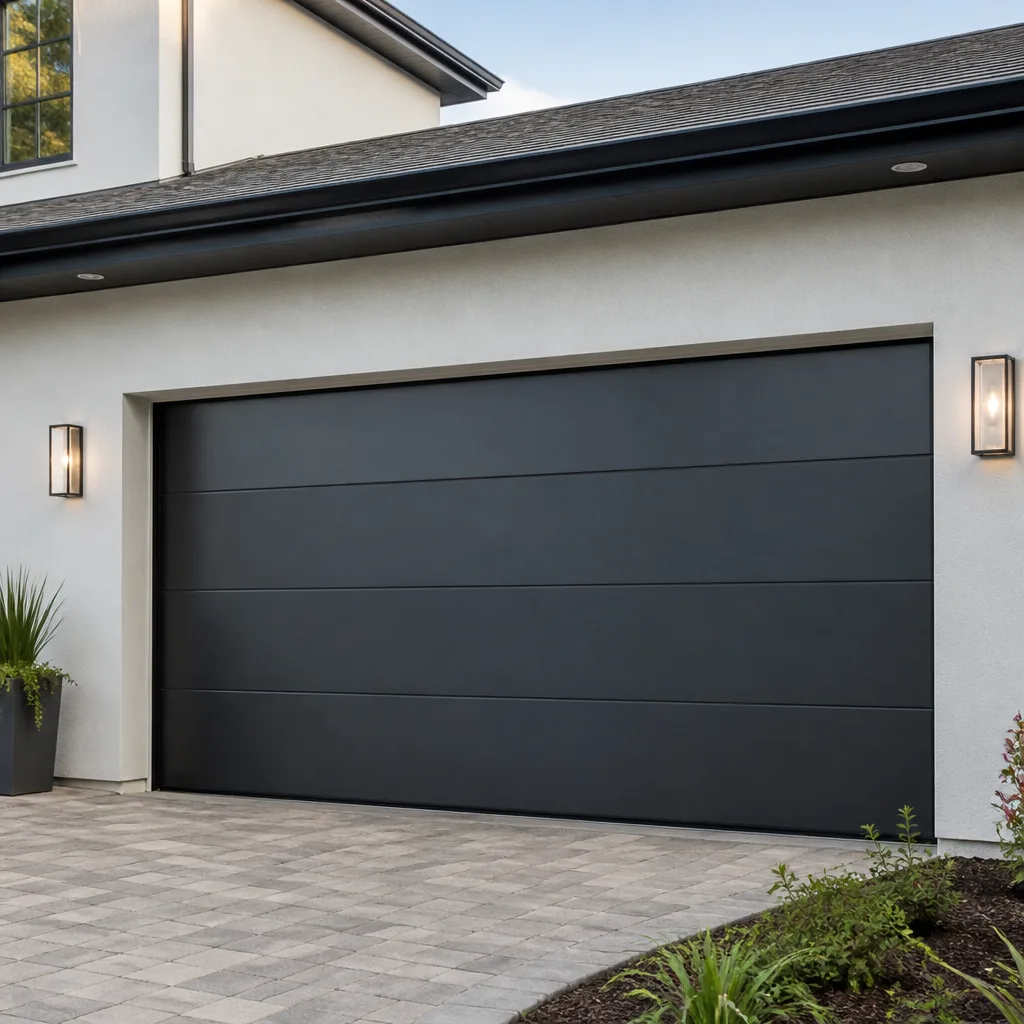
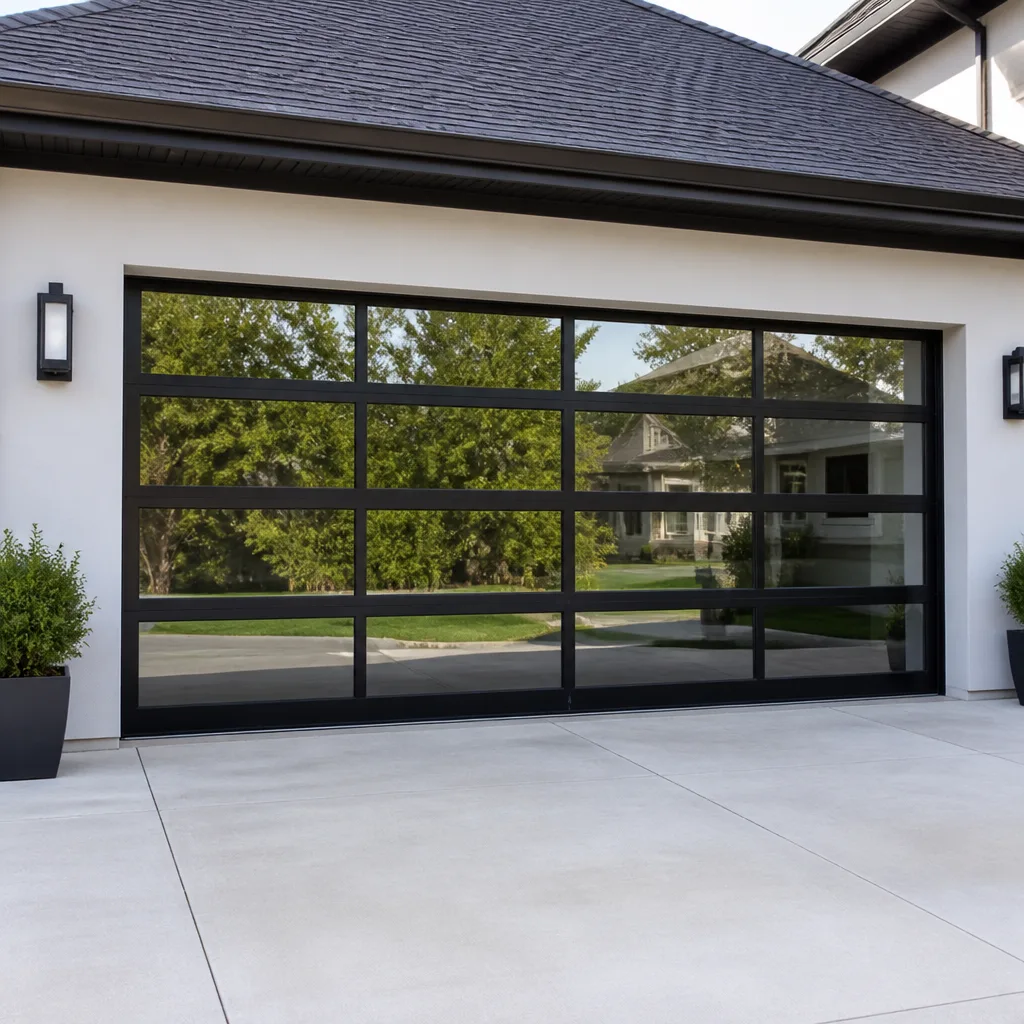
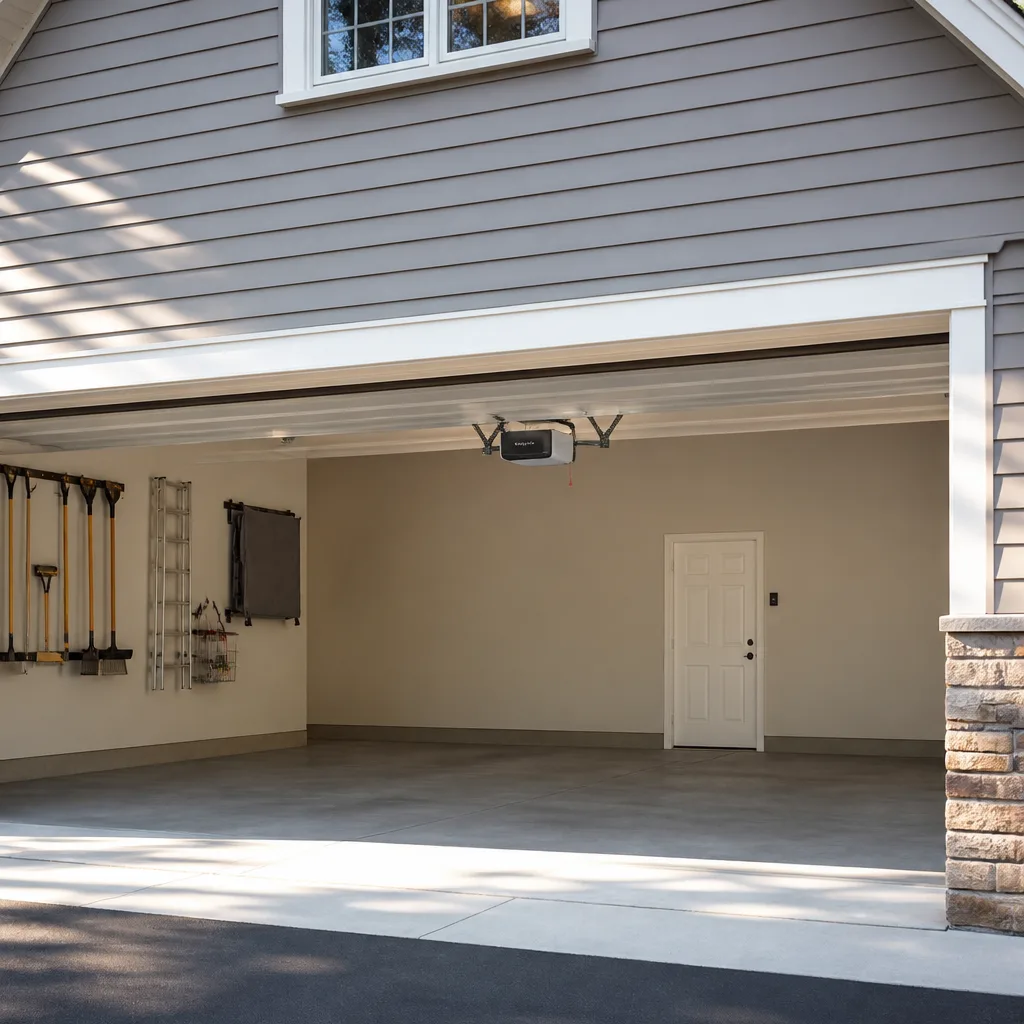
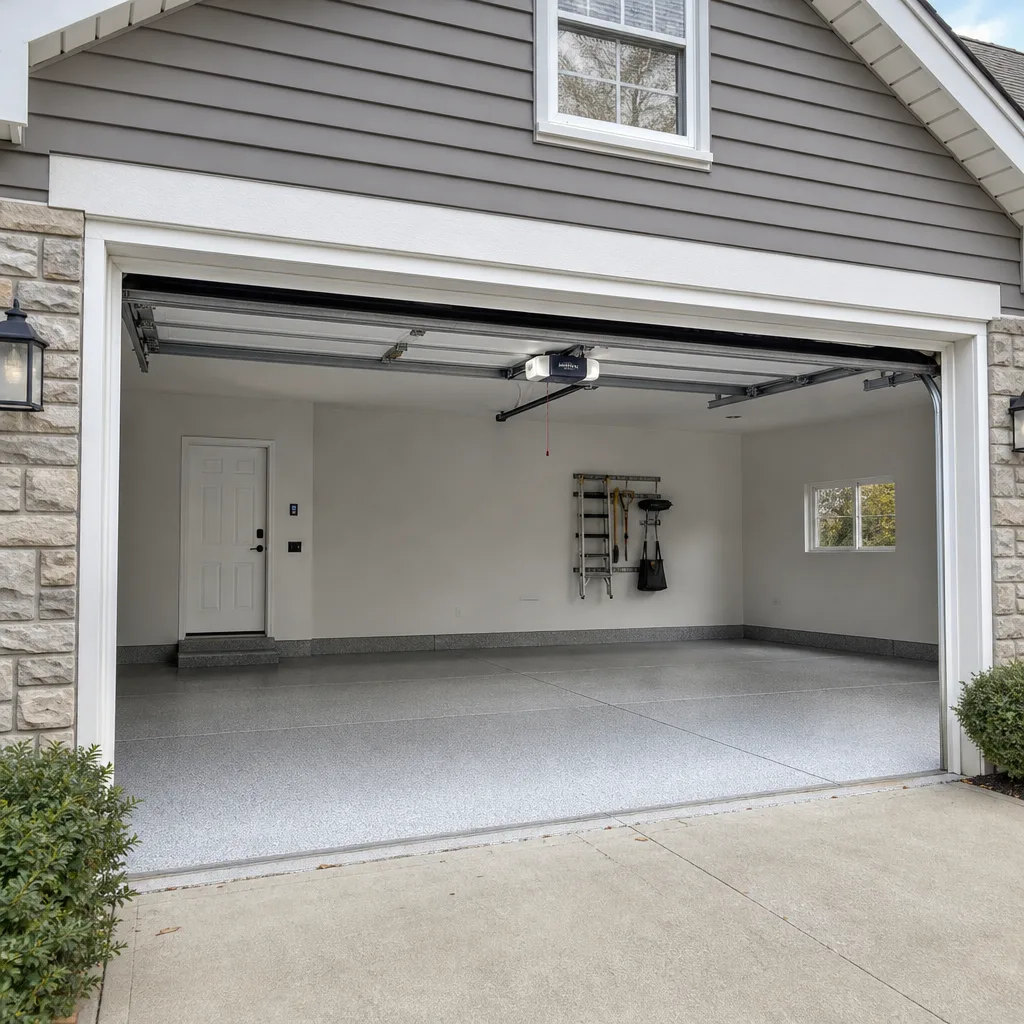
 Before
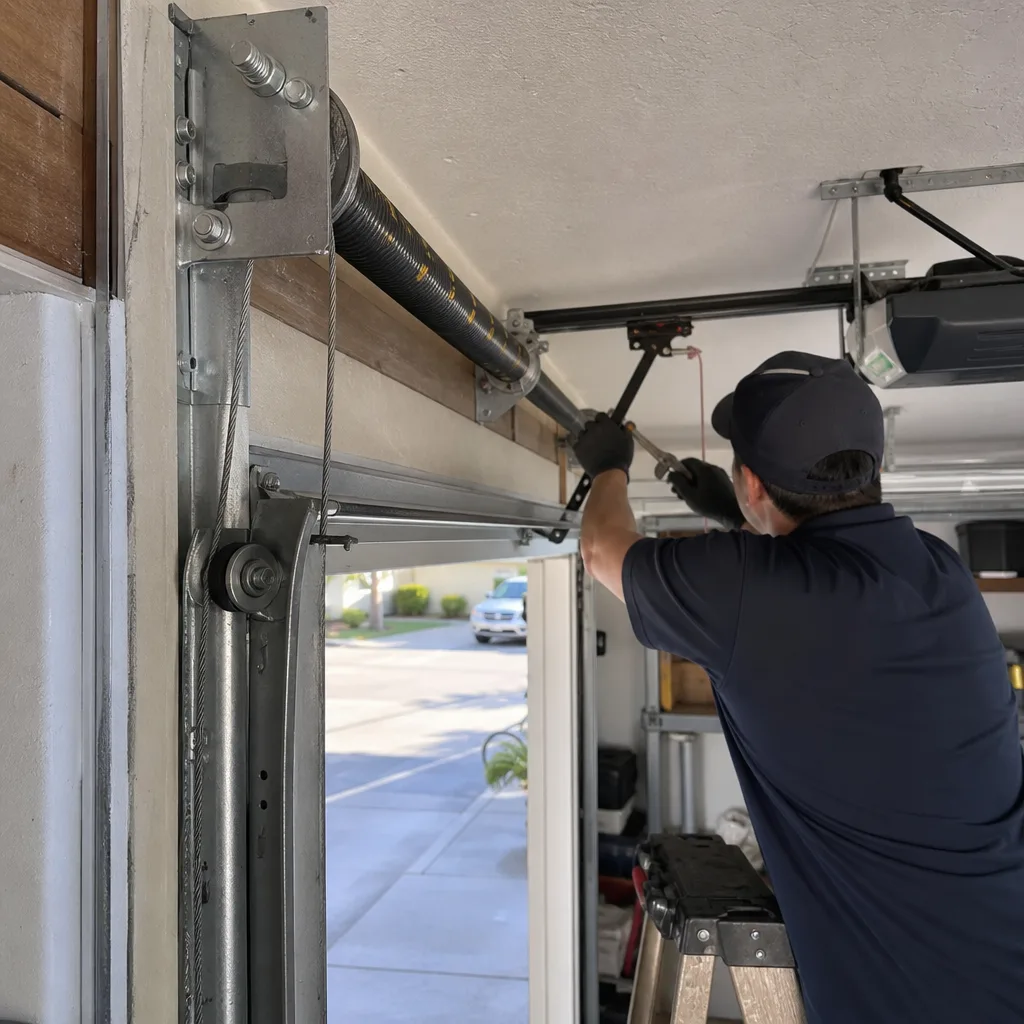 After
After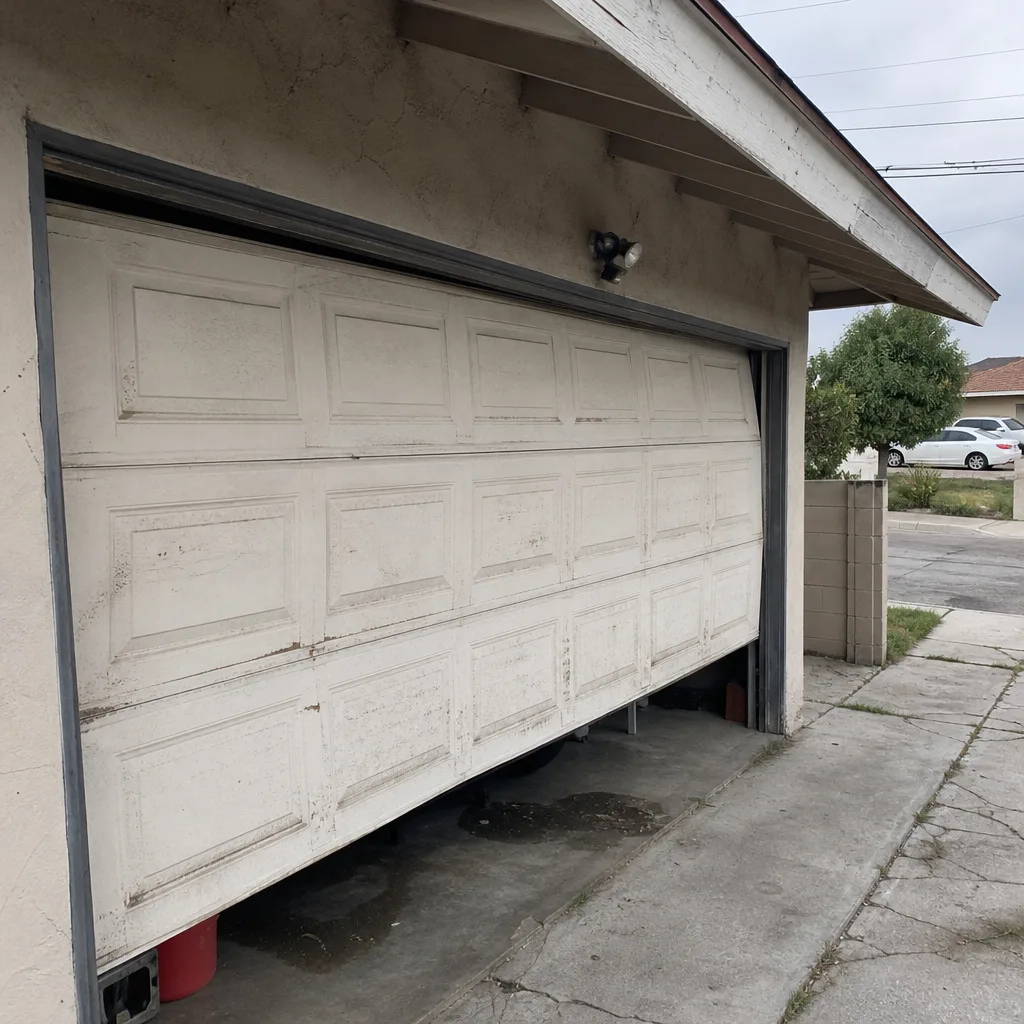 Before
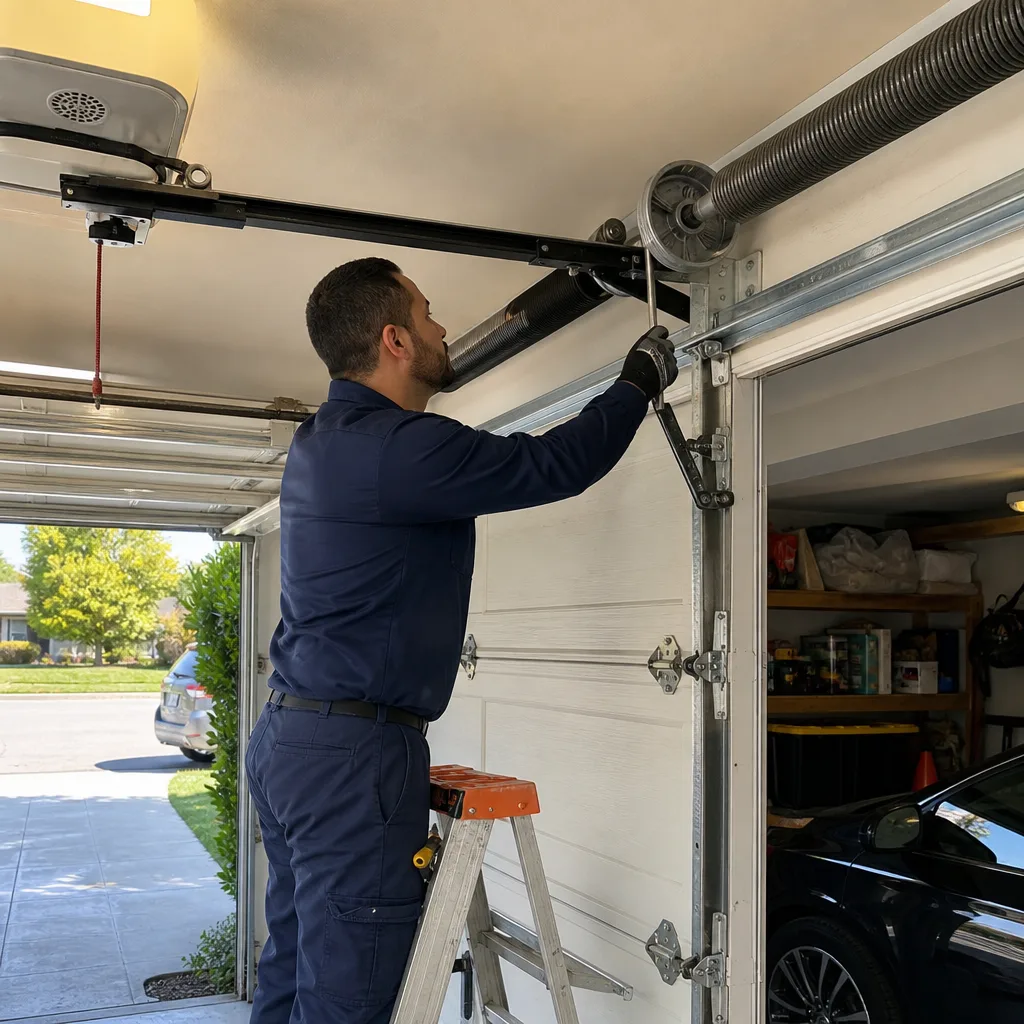 After
After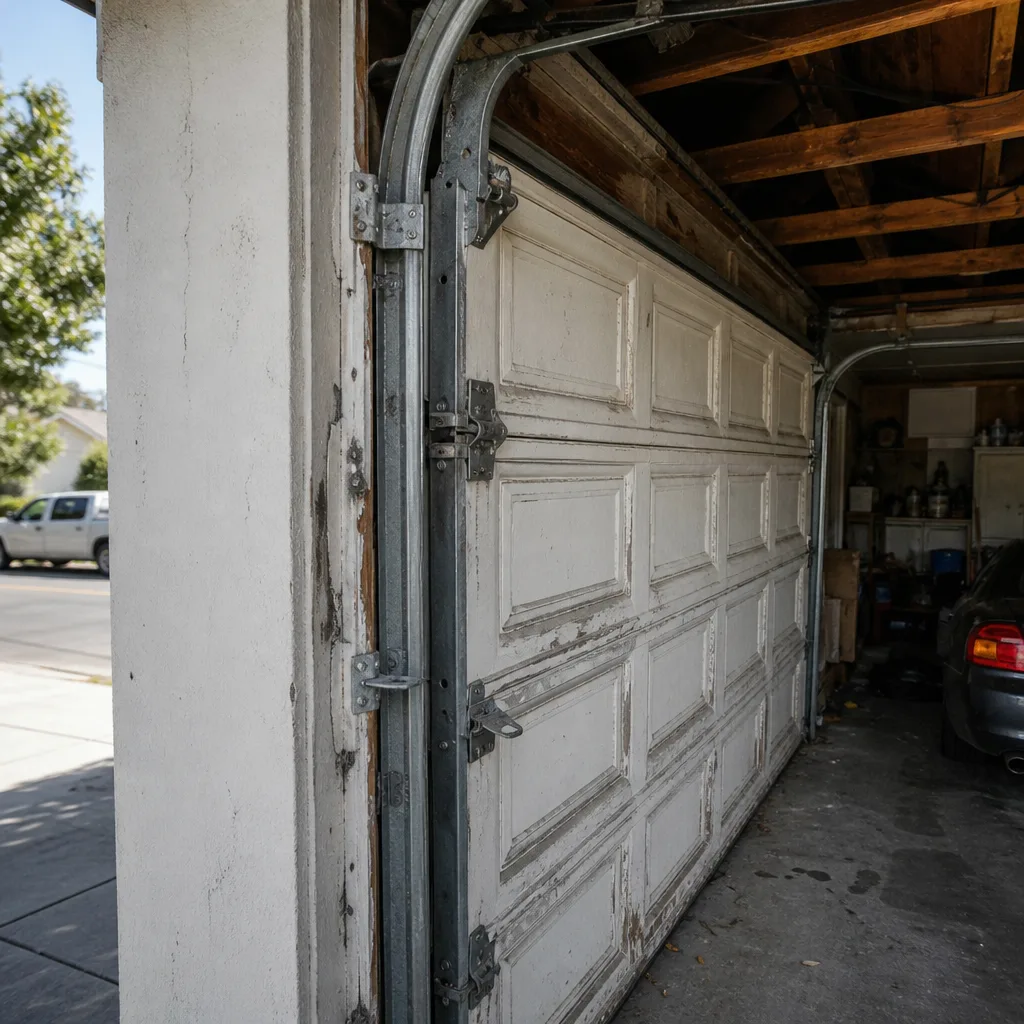 Before
 After
AfterGarage Door Reverses Before Hitting the Floor
When your garage door drops, then reverses back up before it reaches the floor, the opener’s safety system is detecting an obstacle – real or imagined. In most cases, the close-limit setting is off, the safety sensors are misaligned or dirty, or the door has a mechanical problem that the opener correctly senses as resistance. All three of these causes are diagnosable, and all three are fixable in a single visit.
The reversal isn’t random. Your opener is doing exactly what it’s designed to do: stop and reverse when something seems wrong. The frustrating part is that “something wrong” can mean a sensor that needs a two-second wipe, a limit screw that’s a quarter-turn off, or a spring that’s lost enough tension to make the door feel heavy to the motor. Those three scenarios lead to very different repairs, so getting the diagnosis right is the whole job.
Why It Happens
Misaligned or Dirty Safety Sensors
Every garage door opener made after 1993 has a pair of photo-eye sensors mounted near the floor on each side of the opening. They project an invisible beam across the door’s path. If that beam is broken – by a leaf, a spiderweb, a nudge from a bicycle, or a floor that’s settled slightly – the opener treats it as a person in the way and reverses. Look at both sensors. The sending sensor usually has a steady amber light; the receiving sensor should glow steady green. If either light is blinking, dim, or off, that’s your culprit.
Close-Limit Setting Is Too Short
Openers have an adjustable limit that tells the motor how far to travel before it declares the door “closed.” If that limit is set shorter than the actual distance to the floor, the motor hits its limit, reads the extra resistance of the door still in motion, interprets it as an obstruction, and reverses. You’ll notice the door stops and goes back up at roughly the same point every single time – not randomly. This is an opener adjustment, not a mechanical part failure.
Worn or Broken Garage Door Springs
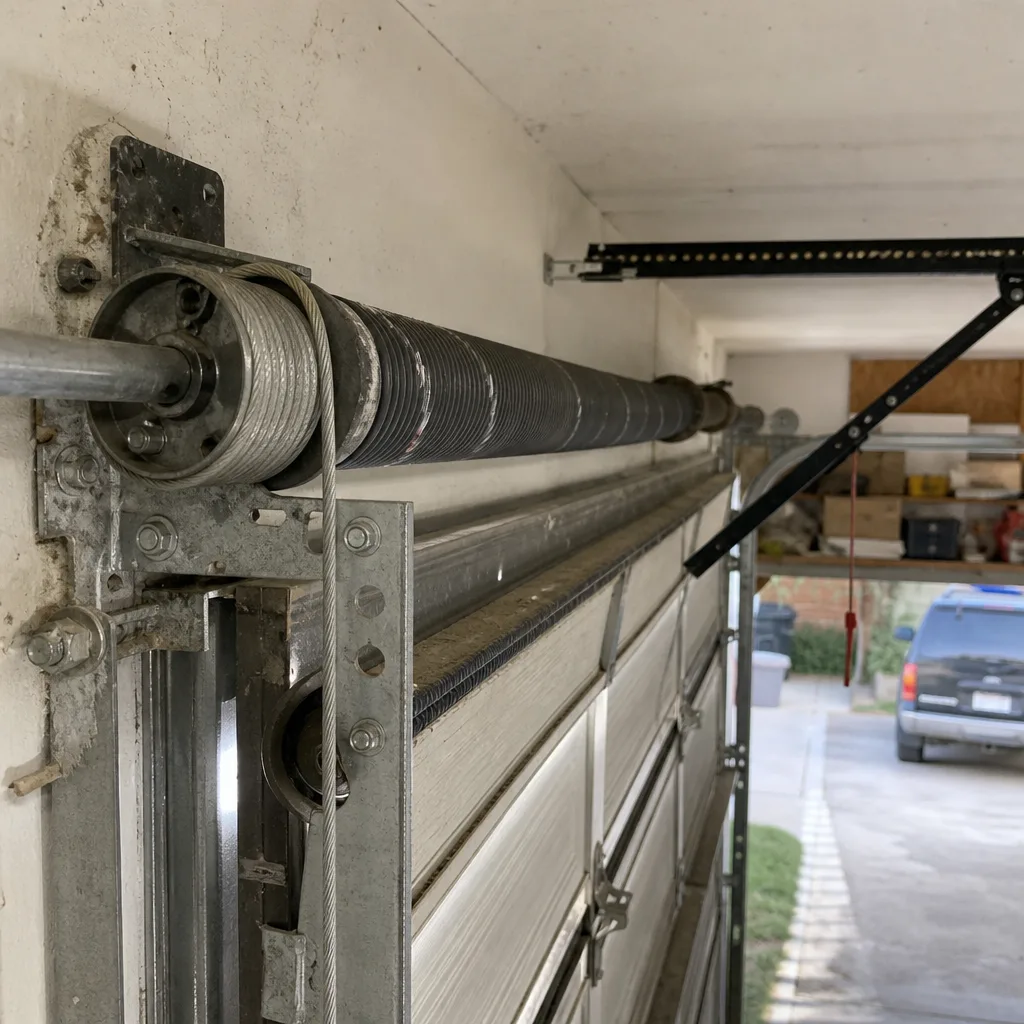
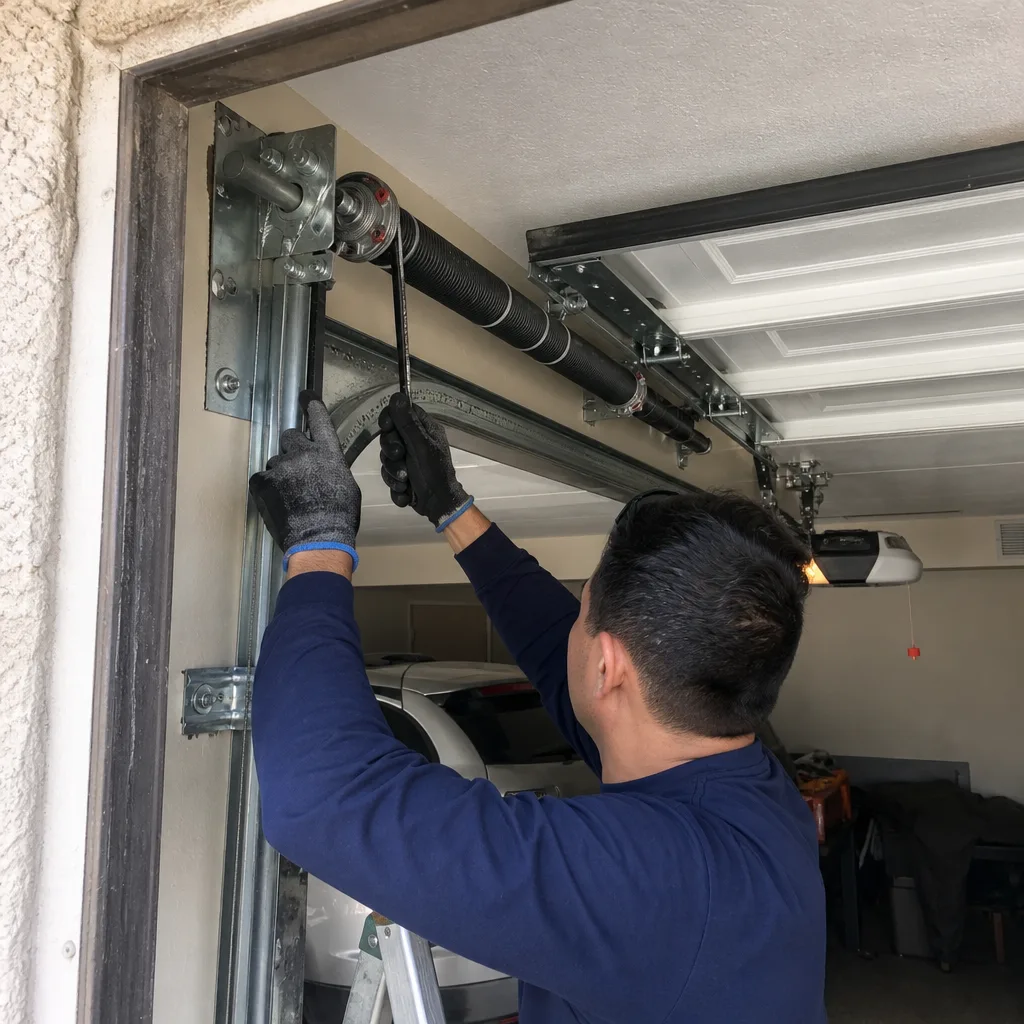
Springs do the heavy lifting. A torsion spring mounted above the door or extension springs running along the side tracks counterbalance the door’s weight so the opener only has to guide it. When a spring weakens or breaks, the door becomes genuinely heavy – and the opener’s force-sensing system reverses rather than drag it. You might hear a loud bang when a spring breaks, and you may see a visible gap in the coil of the torsion spring above the door. Do not attempt to operate a door with a broken spring, and do not try to adjust or replace springs yourself. A torsion spring under tension stores enough force to cause serious injury. Stop using the door and call.
Damaged or Frayed Cables
Lift cables run from the bottom corners of the door up to the drum near the spring. When a cable frays, snaps, or jumps off the drum, the door loses balanced support on one side. It binds in the tracks, the opener senses uneven resistance, and it reverses. Check the bottom corners of the door – if you see a coiled pile of cable or the door is visibly lower on one side than the other, the cable is the problem. Like springs, cables are under serious tension and should not be handled without training.
What to Do Right Now
- Stop using the door. Every attempt to close it through the problem puts more stress on the opener motor, the springs, and the cables. If a spring or cable is partially failed, forced operation can finish the failure or bend a track.
- Check the sensor lights. Walk to each sensor at floor level. Both lights should glow steady – amber on one side, green on the other. If a light is blinking or missing, gently wipe the sensor lens with a dry cloth. A quarter-inch nudge back into alignment is safe to try. If the light comes back steady, test the door once slowly.
- Look for a visible gap in the spring above the door. A torsion spring with a break will have a clear separation in the coil. If you see one, close this page, step back from the door, and call. Do not touch it.
- Check the cables at the bottom corners. If either cable looks slack, coiled on the ground, or missing from the drum, leave it. This is not a DIY fix.
- Take a short video. Film the door attempting to close – where it stops, what it sounds like, whether one side drops lower than the other. Your Marlow technician can watch it before they arrive and often show up with the right part already on the truck.
How We Fix It
When your local Marlow Garage Door Repair technician arrives, the first thing they do is watch the door move – or try to. That 30-second test tells them more than a description can. From there, they check sensor alignment and cleanliness, test the opener’s force and limit settings, inspect the springs for fatigue or breakage, and look at both cables from drum to anchor point.
If the sensors are the only issue, the fix is an alignment and test – quick and straightforward. If the close-limit setting is the cause, the tech adjusts it, cycles the door several times, and confirms the floor contact is clean. Broken springs and damaged cables each fall under our garage door spring repair and garage door cable repair services respectively. Both are same-visit repairs in most cases. Most jobs like this are done in under two hours.
Before any of this starts, you get a written price. That number doesn’t change when the invoice arrives – it’s locked the moment you agree. The repair is then covered by the 365-Day Done Right Promise: if something isn’t right, we come back and make it right, at no charge, for a full year.
Frequently Asked Questions
No – and that’s not an overstatement. If the reversal is caused by a failing spring or frayed cable, using the door repeatedly can finish the failure suddenly and without warning. A broken spring under tension can cause serious damage or injury. Stop using the door manually or with the opener until a technician has looked at it. Call (512) 883-4374 and your local Marlow team will get someone out to you.
It depends on the cause, but in most cases you shouldn’t wait. A dirty sensor is inconvenient but not dangerous – you can prop the door and investigate. A weakened spring or a cable that’s halfway off the drum is a different situation. Either can fail completely and quickly, leaving the door stuck open or dropping unexpectedly. If you saw a broken spring coil or loose cable, treat it as urgent. Call (512) 883-4374 anytime – a real person picks up 24 hours a day, 7 days a week.
Yes. Your local Marlow Garage Door Repair team handles same-day repair calls, and our phones are answered by a live person around the clock. Call (512) 883-4374, describe what you’re seeing, and we’ll get a background-checked, uniformed technician dispatched. You’ll get a live arrival time you can track – not a four-hour window to sit and wait.
It won’t. The written price is presented before any work starts, and that’s the number on the invoice – no additions at the end, no “we found one more thing” charges without a new written agreement first. If the tech opens the door and sees something the phone call didn’t reveal, they’ll tell you what it is and what it costs before touching it. That’s how every Marlow job works, every time.
Get It Fixed
Call (512) 883-4374 right now – a real person will answer, day or night. You can also book online and track your technician on the way. Your local Marlow Garage Door Repair team will diagnose the reversal, give you a written price before anything starts, and get your door closing right.
Written by Jaylen Ross, Owner and Lead Technician, Marlow Garage Door Repair – part of the Relay Home Co. family of independently owned, locally operated home-service businesses, serving communities across the country since 2002.
What Our Customers Say
"Safety sensors realigned. Tech texted before arriving and after finishing."
- Candice L."Quote came by text before the visit and didn't change."
- Holly T."Good repair and easy booking. The ETA slipped by about 20 minutes, but the text updated before I even noticed."
- Dave M.