
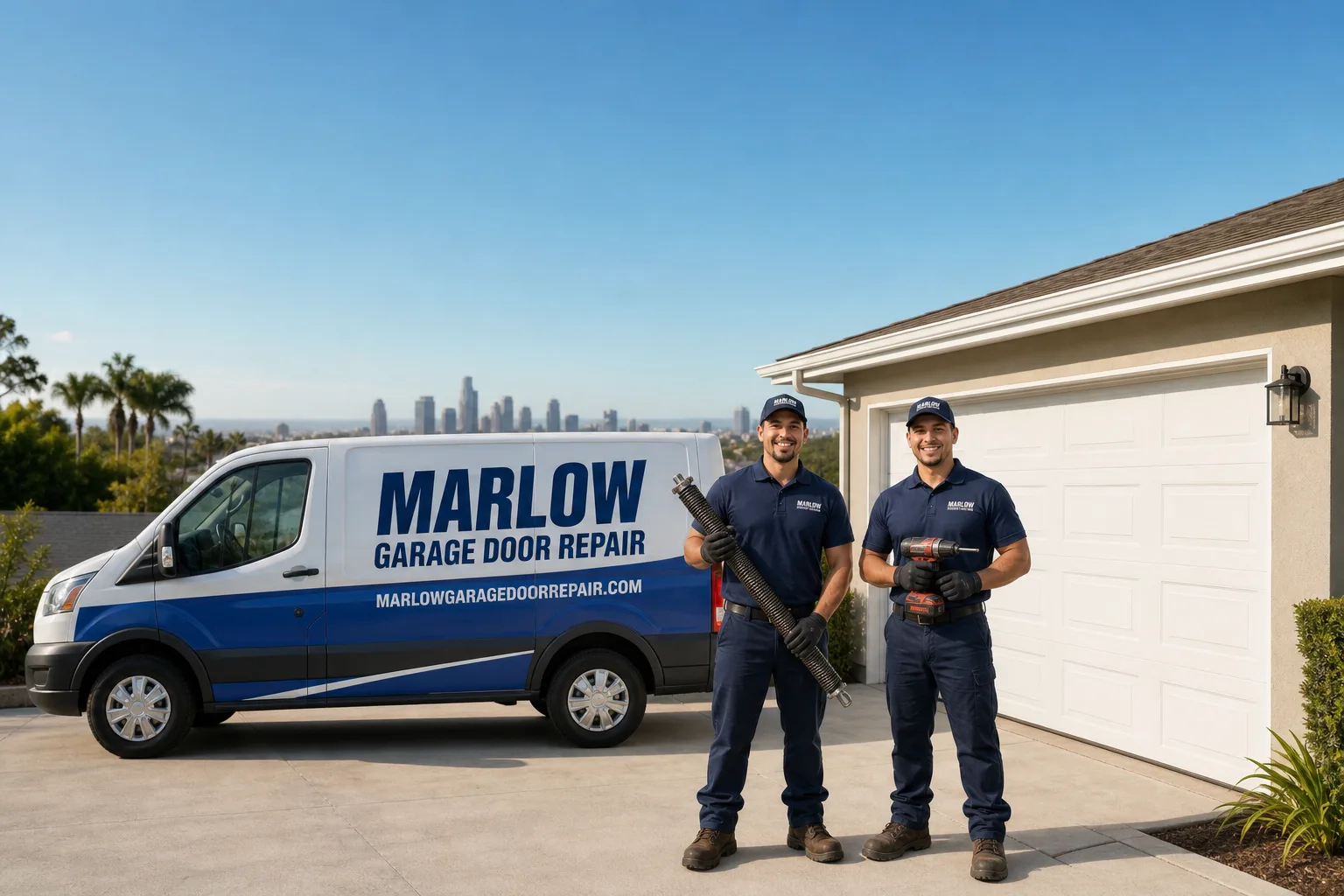
Full 25-point door and opener safety check with every visit - springs, cables, rollers, tracks, and your LiftMaster or Chamberlain opener included
You get a price before we start. It does not change when the truck arrives.
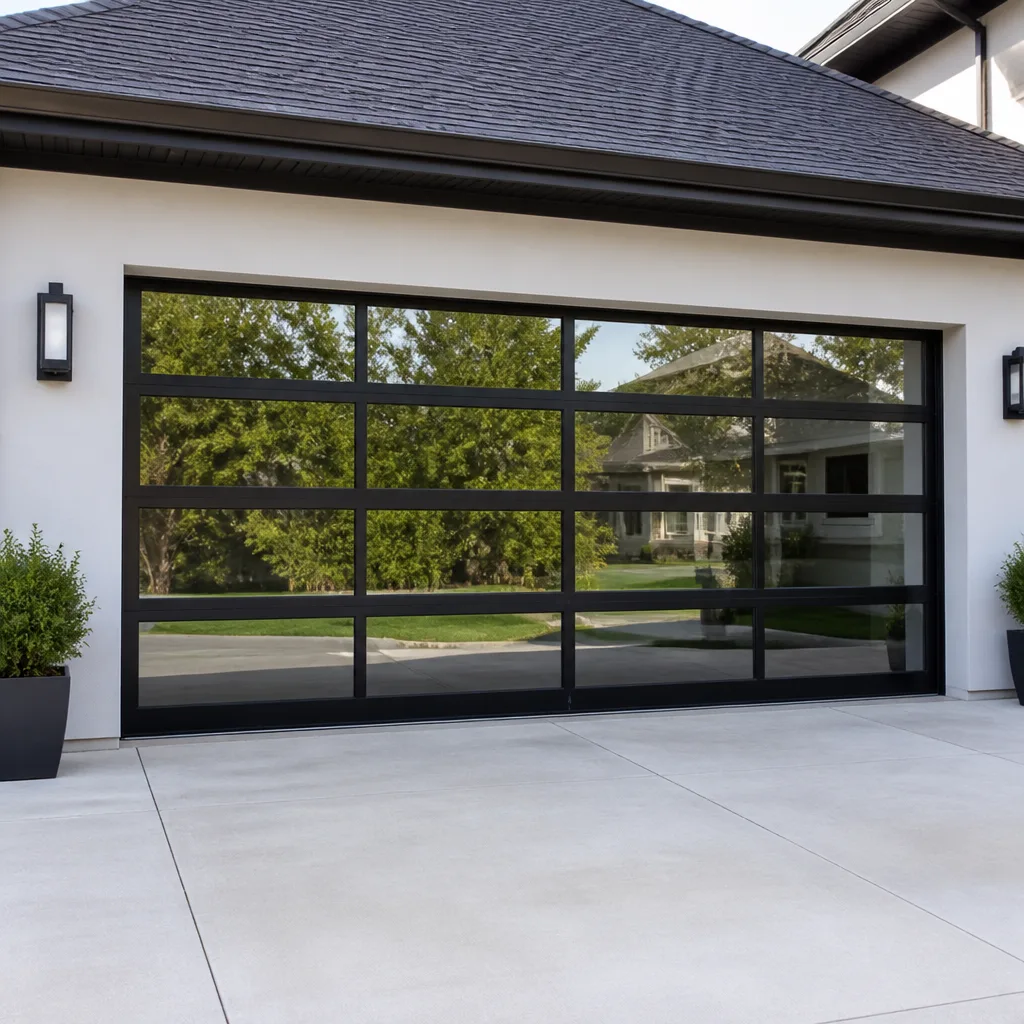
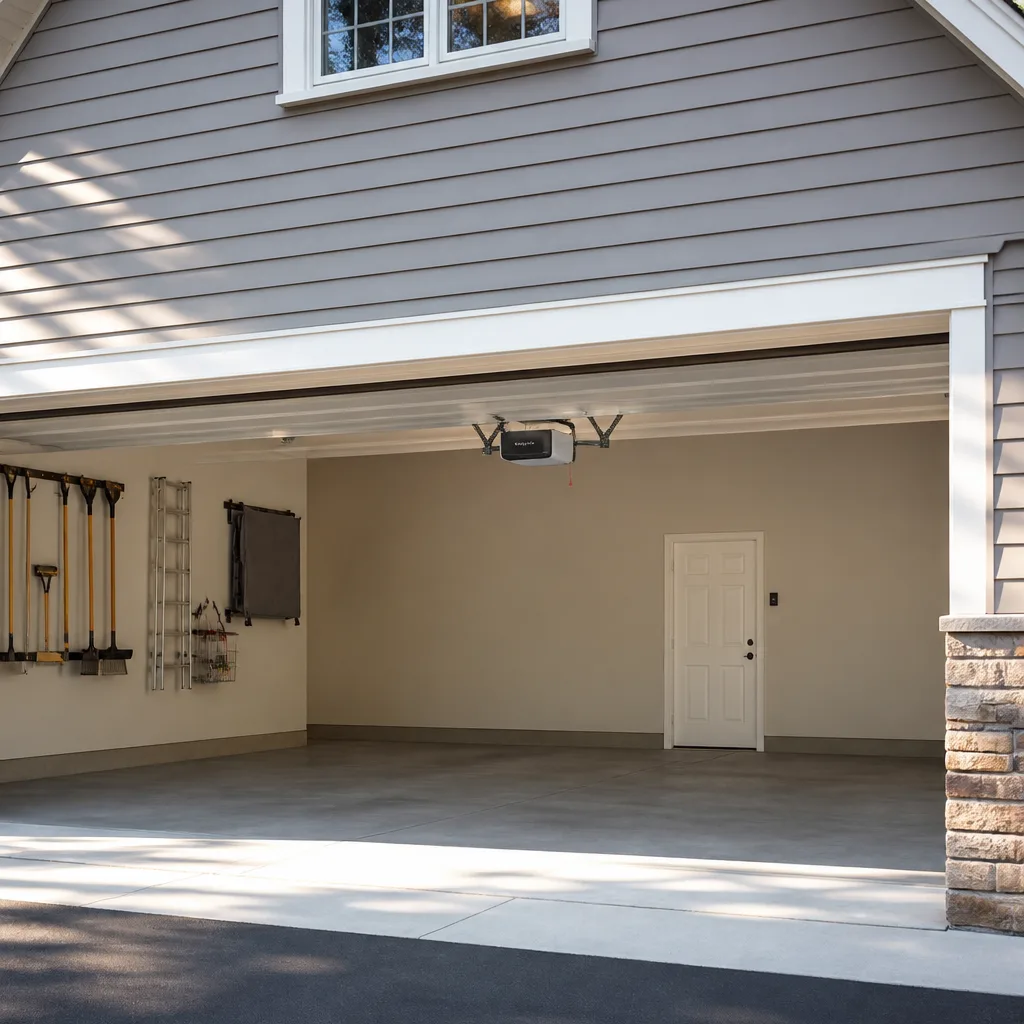
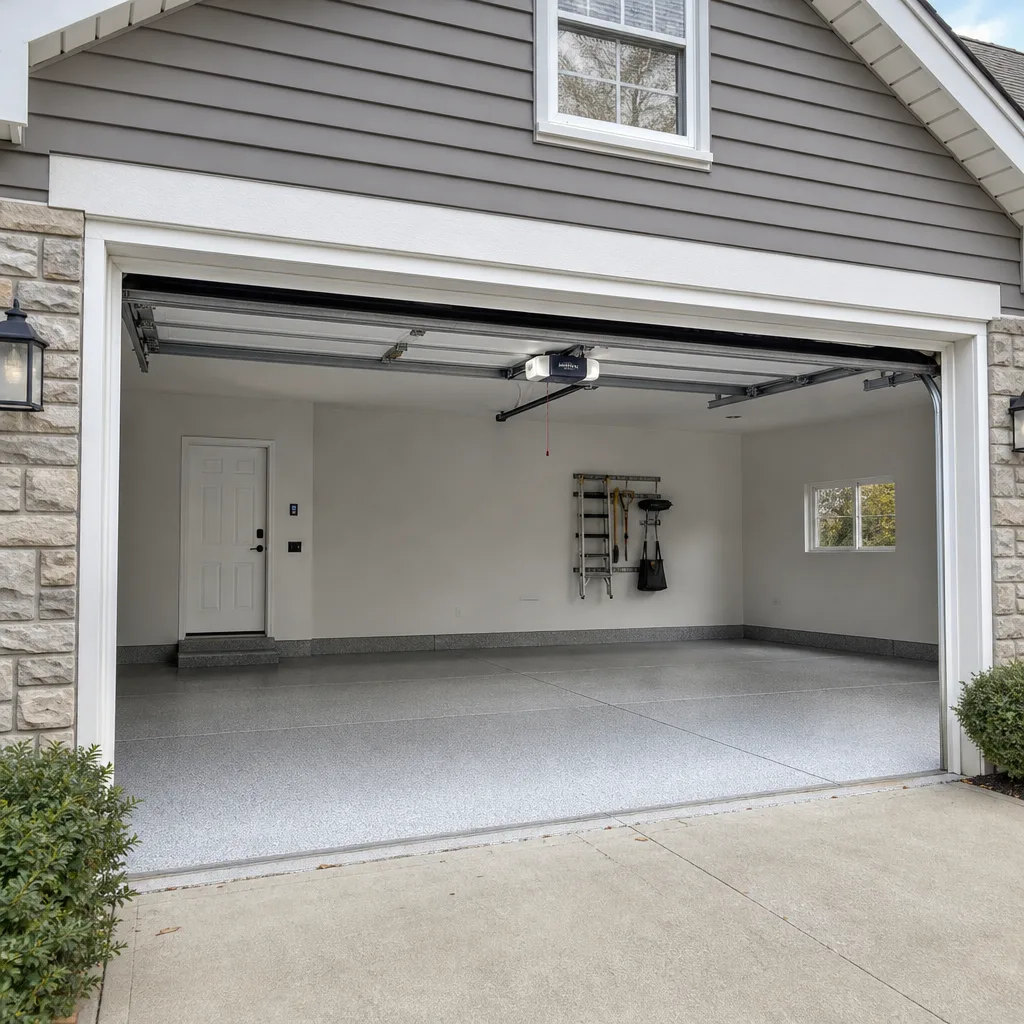
 Before
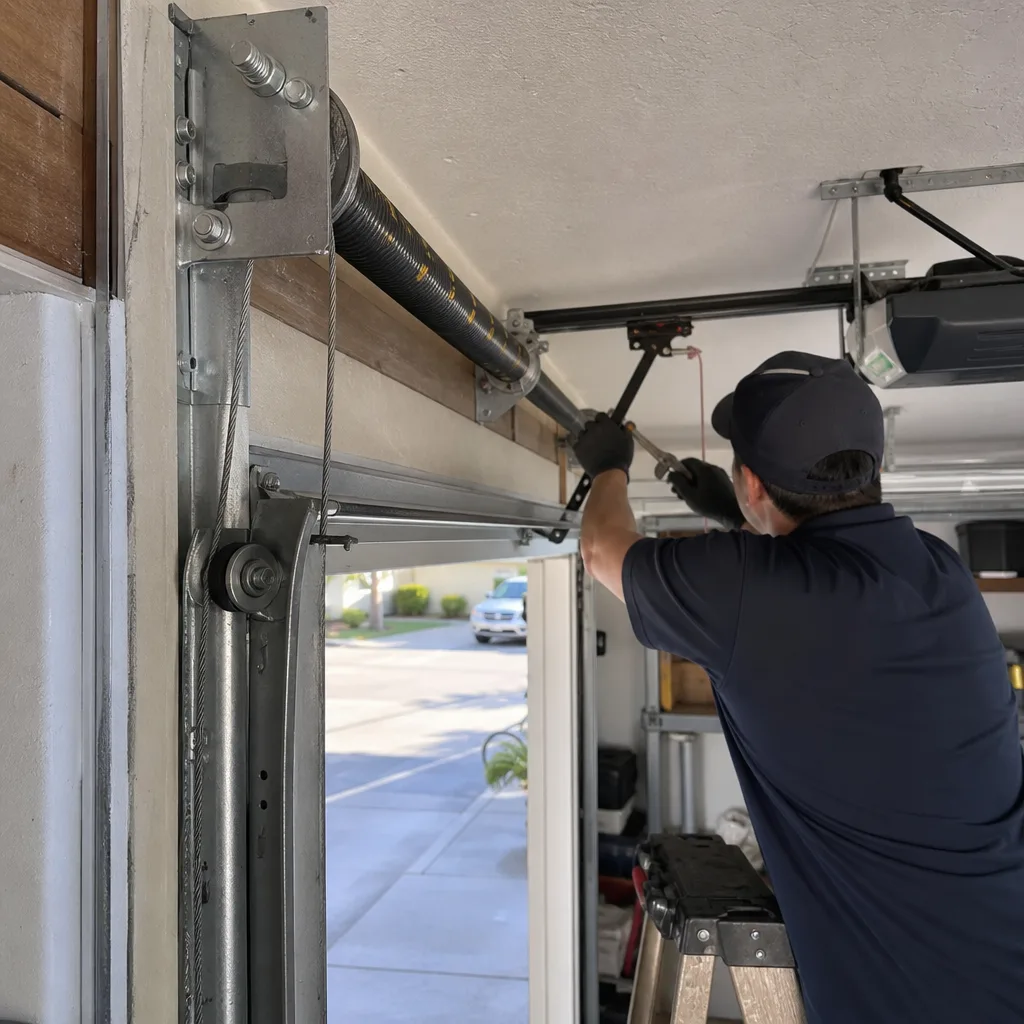 After
After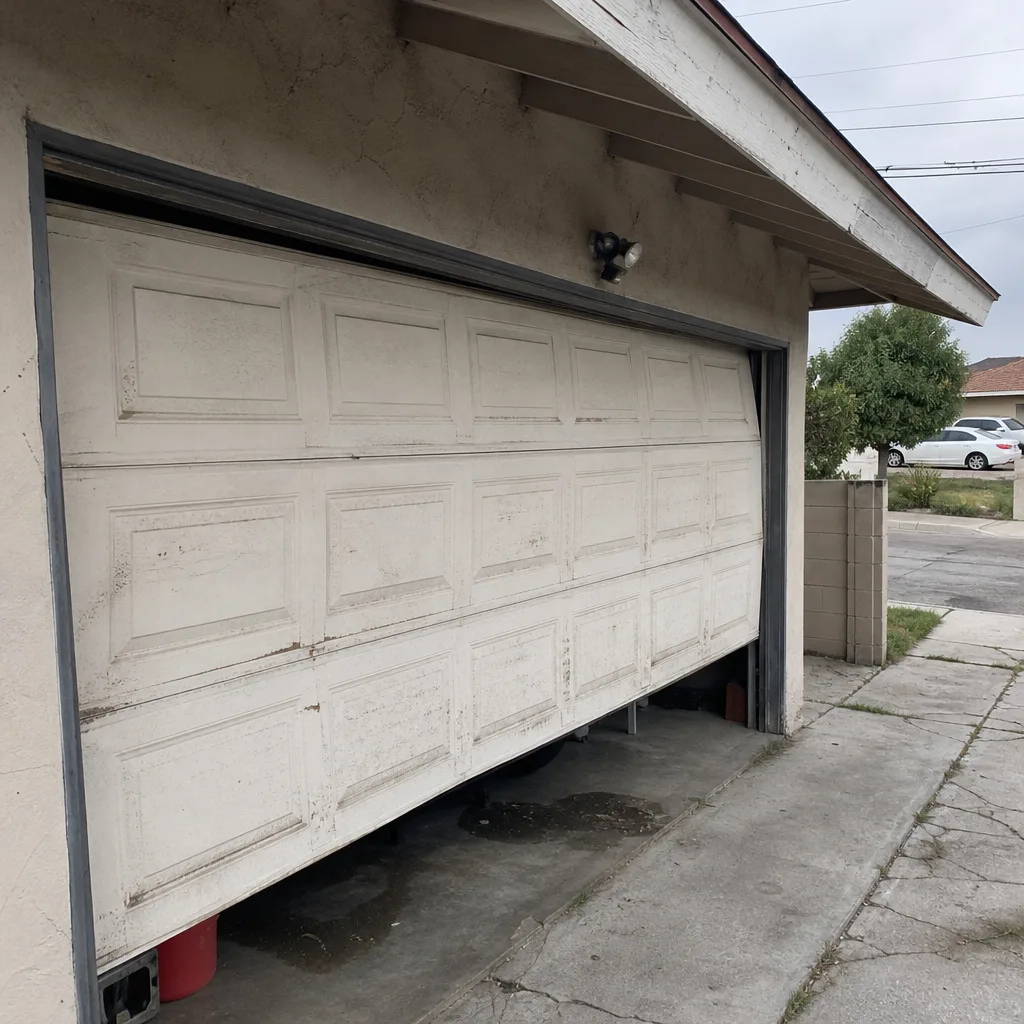 Before
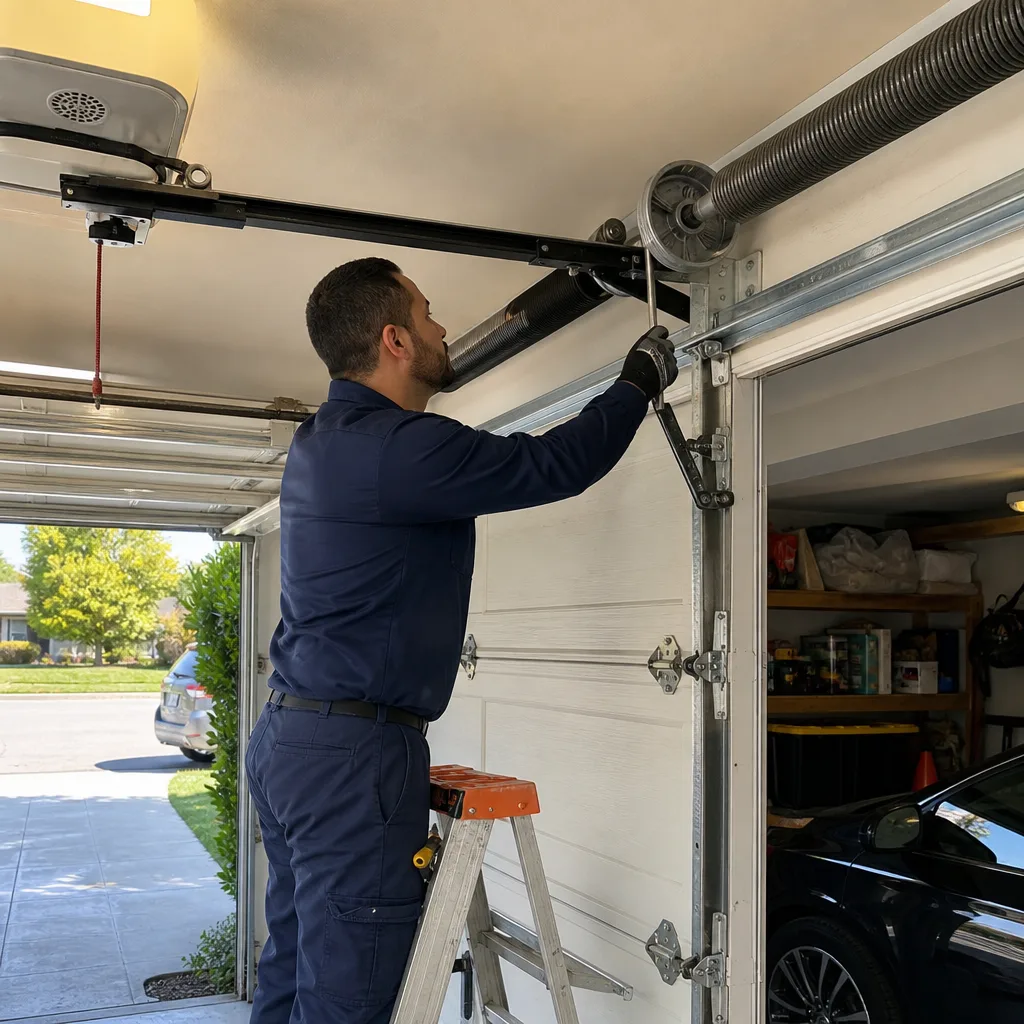 After
After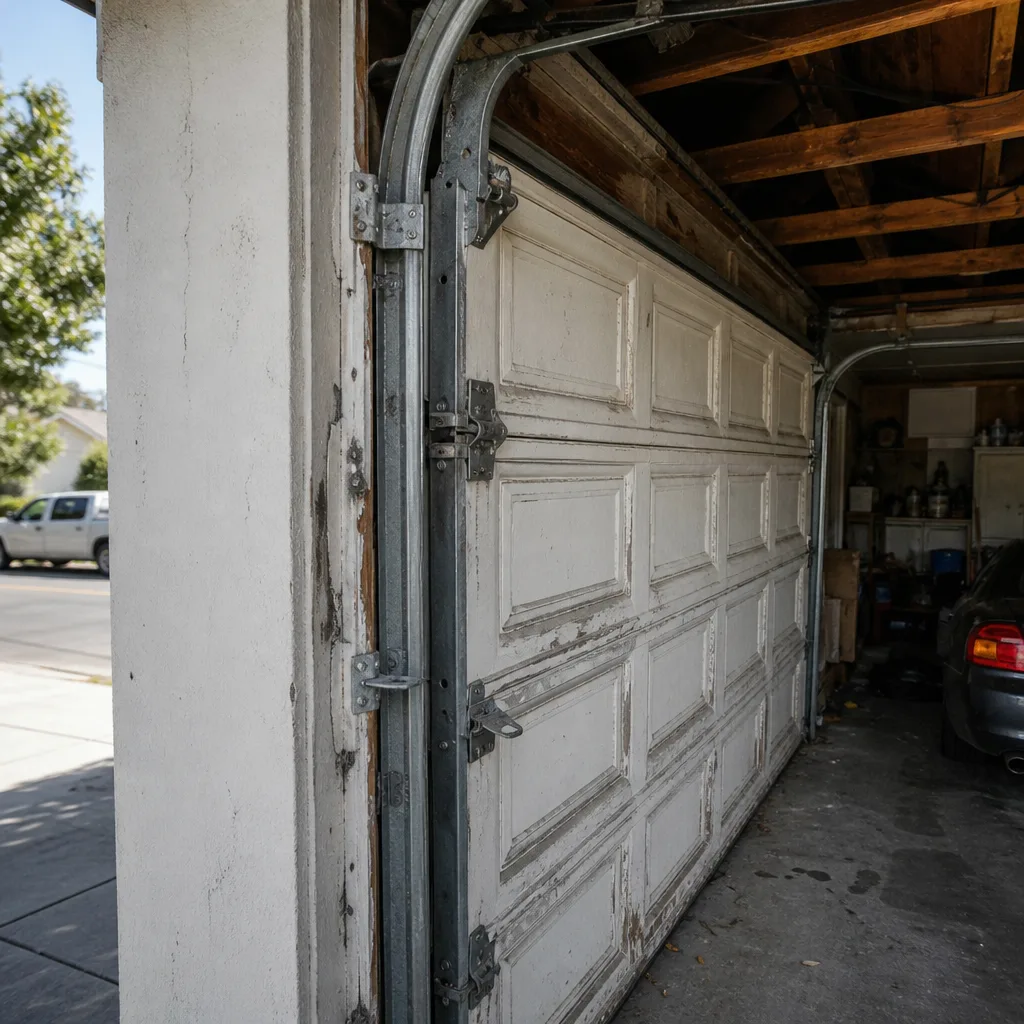 Before
 After
AfterGarage Door Won’t Stay Closed
A garage door that won’t stay closed almost always points to one of three things: a misaligned or blocked sensor, a broken or unbalanced spring, or a limit-switch setting that’s telling the door to reverse before it reaches the floor. All three are fixable same day by a trained technician. The part you should not do yourself is anything involving the springs – those components are under serious tension and can cause real injury if handled without the right tools and training.
The good news is that the symptom itself tells you a lot. Whether the door bounces back up the moment it hits the floor, reverses halfway down, or drifts back open on its own, each behavior points to a different cause. Knowing which one you’re looking at helps you describe it clearly when you call, and it helps our technician arrive with the right parts already on the truck.
Why It Happens
1. Safety Sensors Are Blocked or Misaligned
Every modern garage door opener has two small sensors mounted a few inches off the ground on either side of the door opening. They fire an invisible beam across the doorway; if that beam is broken or the sensors are knocked out of alignment, the opener interprets it as an obstacle and refuses to let the door close. You can usually tell this is the problem if the opener light blinks repeatedly when you try to close the door – most openers blink 10 times for a sensor fault. Look at both sensors. If one of them is blinking amber instead of showing a steady green or amber light, it’s out of alignment or blocked.
2. Broken or Failing Torsion Spring
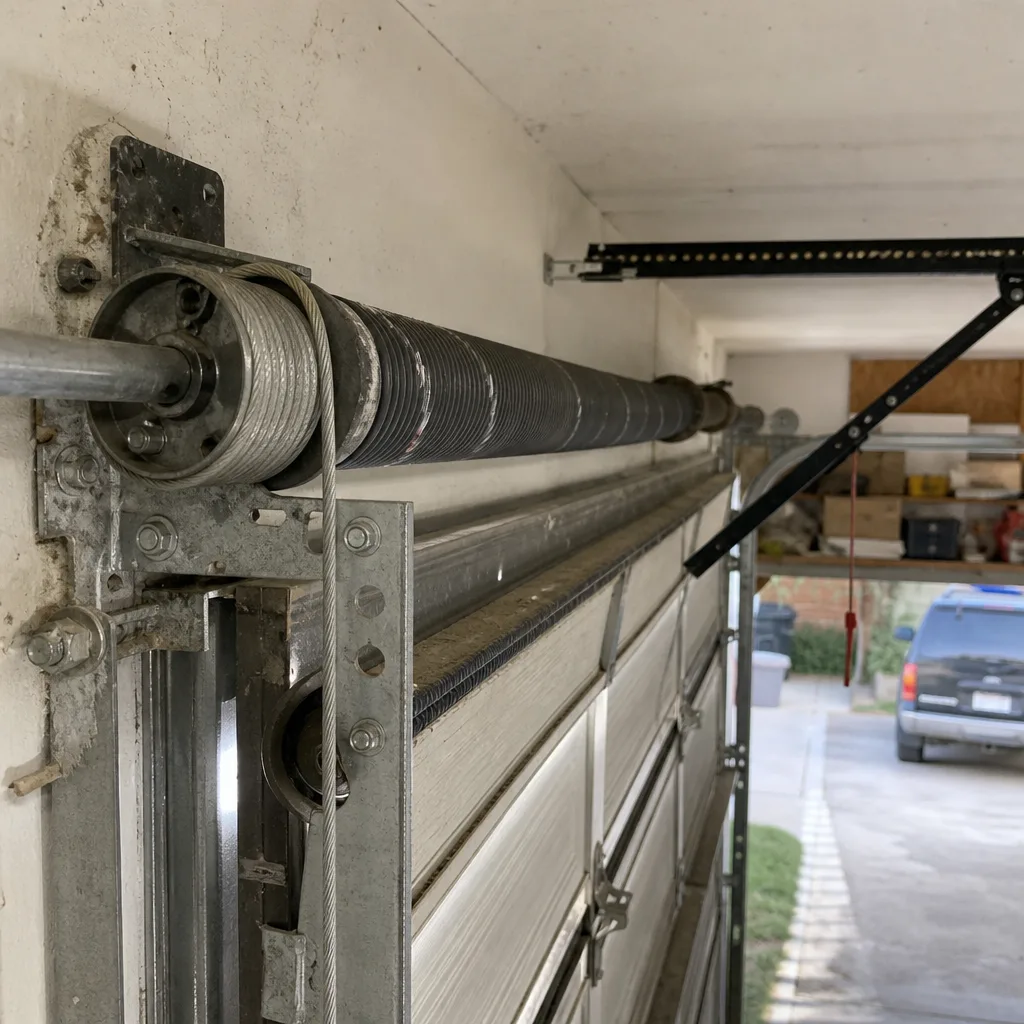
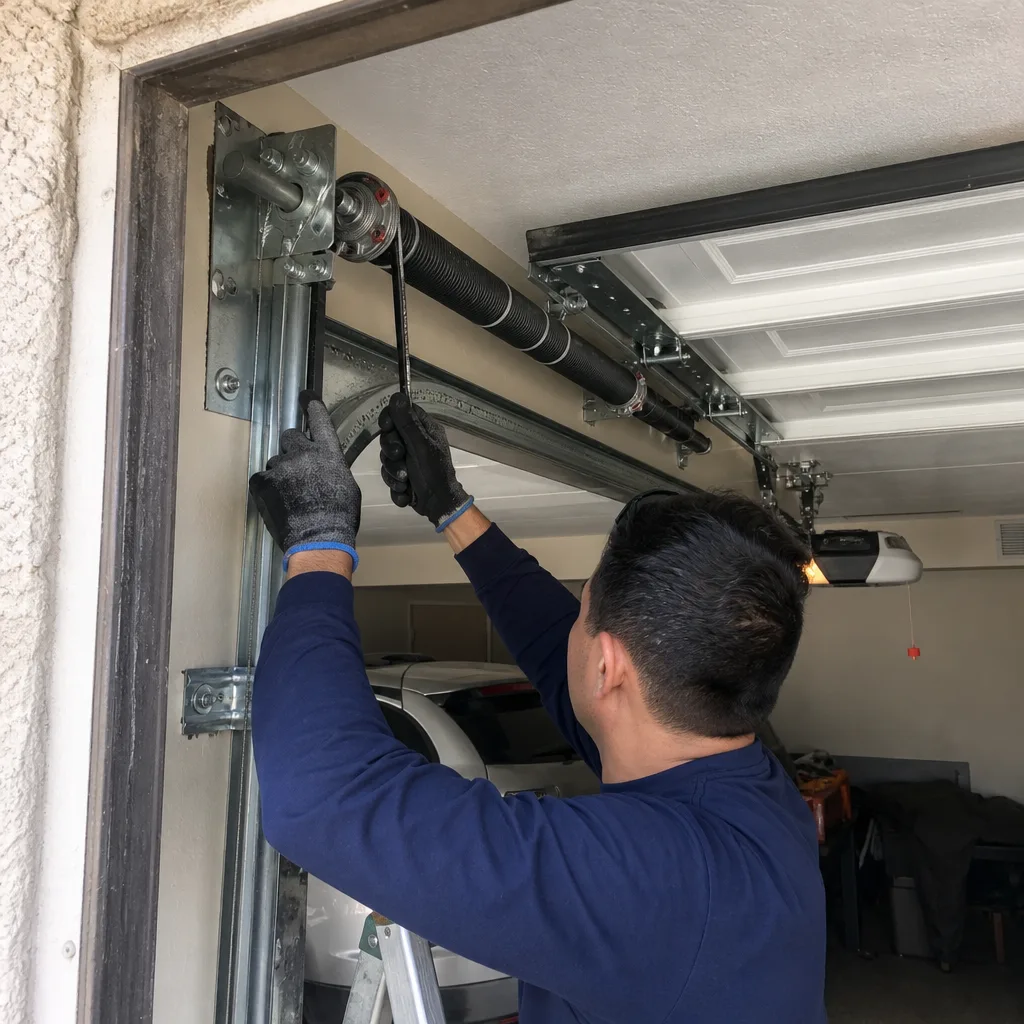
The torsion spring is the large, tightly coiled component mounted horizontally above your door. It does the heavy lifting – literally – by storing and releasing tension to counterbalance the door’s weight. When a spring breaks or loses enough tension, the door becomes too heavy for the opener’s motor to manage, and the opener’s built-in overload protection reverses the door rather than strain the motor. You’ll often hear a loud bang when a torsion spring snaps, and you may notice a visible gap in the coil. Do not try to operate the door manually or attempt any inspection near the spring itself. A broken torsion spring is under enormous stored energy even after it fails, and handling it without professional equipment is genuinely dangerous. Call your local Marlow Garage Door Repair team and leave the door where it is.
3. Limit Switch Set Too High
The limit switch tells the opener how far the door needs to travel before it’s fully closed. If that setting drifts – which happens gradually over time on many older openers – the door may reach the floor and then reverse, because the opener thinks it has hit an obstruction. The tell here is timing: the door closes all the way, touches the floor, and then immediately reverses. There’s no noise, no blinking sensors, just a door that won’t stay put. This is an adjustment a technician makes on the opener unit itself.
4. Cable Off the Drum or Fraying
The cables run alongside the springs and bear much of the load when the door moves up and down. A cable that has slipped off its drum or started to fray will cause the door to hang unevenly, which can prevent it from seating flush against the floor on one side. If you look at both bottom corners of the door and one side sits lower than the other, or if you can see a loose cable coiled on the floor, that’s your answer. Frayed or broken cables are under significant tension – treat them the same way you’d treat a broken spring and call for help rather than touching them.
What to Do Right Now
- Stop using the opener. Every attempted close cycle on a door with a broken spring or damaged cable puts additional stress on the motor and the hardware. Hit the wall button one more time to confirm the problem, then leave it alone.
- Check the sensors first. Crouch down and look at the two small sensor units on either side of the door frame near the floor. If a light is blinking or off entirely, something is blocking the beam – a leaf, a spiderweb, a misaligned bracket. Clear any debris and see if the lights go solid. If they do, try closing the door again.
- Look for a gap in the spring. From inside the garage, look up at the horizontal spring above the door. A visible separation in the coil means it’s broken. Note what you see and do not touch the spring or the cables attached to it.
- Photograph what you see. A clear photo of the spring, the cables, and the sensor lights takes ten seconds and helps your technician prepare before they arrive. Your local Marlow team will ask for this when you call.
- Secure the garage another way if needed. If the door is stuck open and security is a concern, lock the entry door between your garage and your home and move any valuables inside. Don’t try to manually force a door that’s fighting you – if the spring is broken, the door is much heavier than it feels under normal conditions.
How We Fix It
When your local Marlow Garage Door Repair technician arrives, the first thing they do is a full visual inspection – springs, cables, sensors, tracks, and the opener unit – before touching anything. That inspection is what drives the written price you receive before any work begins. No guessing, no “we’ll see once we get in there.”
If the spring is broken, that’s a garage door spring repair: the old spring comes off, a correctly rated replacement goes on, and the tension is set precisely to the door’s weight. If a cable has slipped or snapped, that’s a garage door cable repair: the cable is rerouted or replaced and the drum is checked for wear. Sensor alignment and limit-switch adjustments are typically resolved as part of a standard garage door repair call. Most of these repairs are completed in a single visit, usually within a couple of hours. Every repair is covered by the 365-Day Done Right Promise – if the fix doesn’t hold, we come back and make it right, at no charge, within a full year.
Frequently Asked Questions
Yes, in some cases it is. If the cause is a broken spring or a frayed cable, the door is mechanically compromised and should not be operated until it’s repaired – a door that falls unexpectedly can injure anyone nearby and cause serious damage to a vehicle. Even if the cause turns out to be something minor like a sensor issue, you can’t always tell from the outside which problem you have. Don’t leave it open overnight if you can help it, and don’t keep cycling the opener to test it. Call (512) 883-4374 and let us figure out which problem you’re dealing with.
A sensor misalignment can wait a short time without much risk, though leaving the door unsecured is never ideal. A broken spring or damaged cable should not wait – these are load-bearing components, and an unbalanced door can fall, damage the opener, or make the door impossible to move manually when you need it most. If you heard a bang, if the door is hanging crooked, or if you can see a gap in the spring, treat it as urgent. Call (512) 883-4374 and your local Marlow team will get it handled.
Your local Marlow Garage Door Repair team handles repair calls – including spring and cable repairs – and works to get to you as quickly as possible. When you call (512) 883-4374, a live person answers around the clock, every day of the year – no voicemail, no callback queue. They’ll confirm availability, give you a live arrival time you can track, and make sure the technician has the right parts for the job you described.
No. The written price is delivered after the inspection and before any work starts – that’s a firm standard on every Marlow job, no exceptions. The number on your digital invoice matches the number you agreed to. If the technician finds something additional, they’ll tell you what it is and what it costs before doing anything about it. You’re never handed a surprise bill.
Get It Fixed
Call (512) 883-4374 right now – a live person answers 24 hours a day, 7 days a week – or book online and track your technician on the way. Your local Marlow Garage Door Repair team will diagnose the problem, hand you a written price, and get the door working again.
Written by Jaylen Ross, Owner & Lead Technician at Marlow Garage Door Repair, part of the Relay Home Co. family of locally operated home-service businesses since 2002.
What Our Customers Say
"Opener remote stopped working. He reprogrammed it and replaced the battery contacts. Paid by link on my phone."
- Latoya S."I could see the tech's name and ETA in the text. Showed up right when the tracker said. Cable repair done in under an hour."
- Omar B."Safety sensors realigned. Tech texted before arriving and after finishing."
- Candice L.