
Last updated October 9, 2026
Full 25-point door and opener safety check with every visit - springs, cables, rollers, tracks, and your LiftMaster or Chamberlain opener included
You get a price before we start. It does not change when the truck arrives.
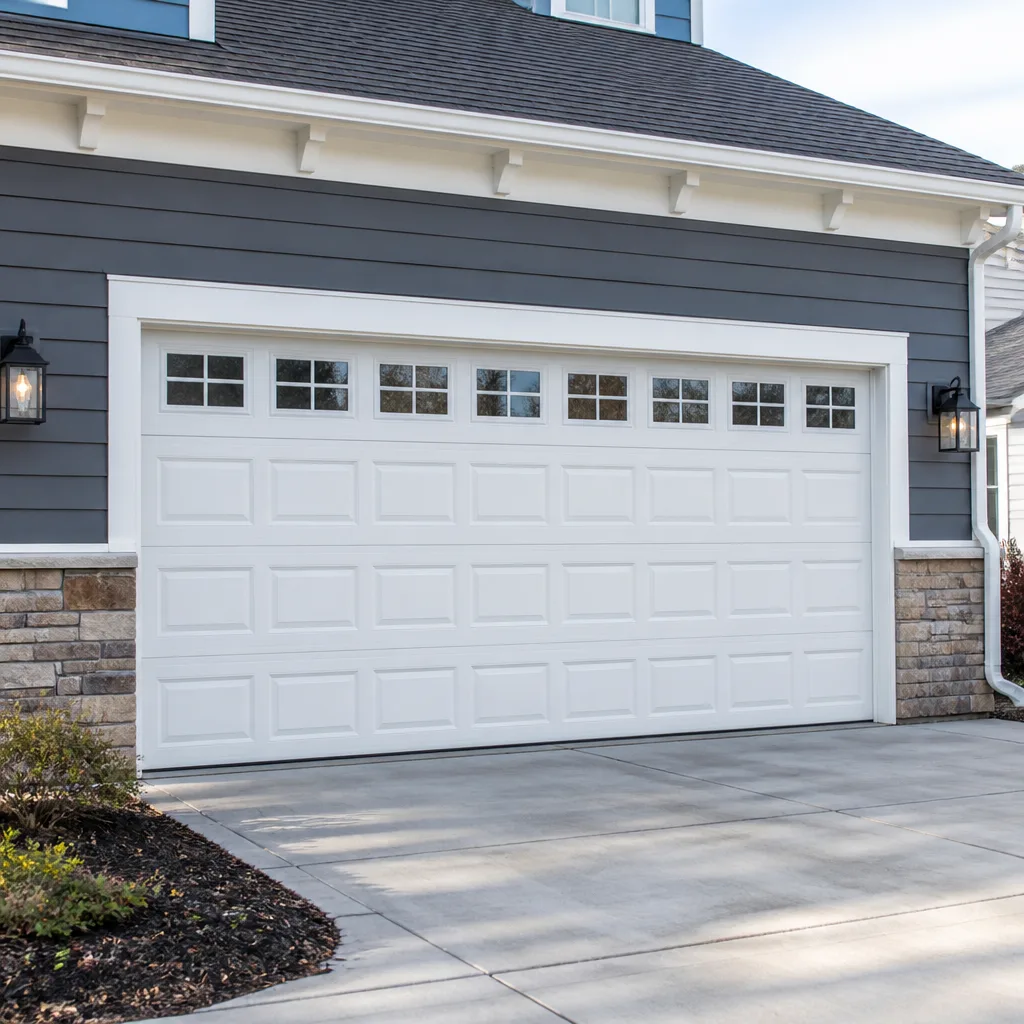
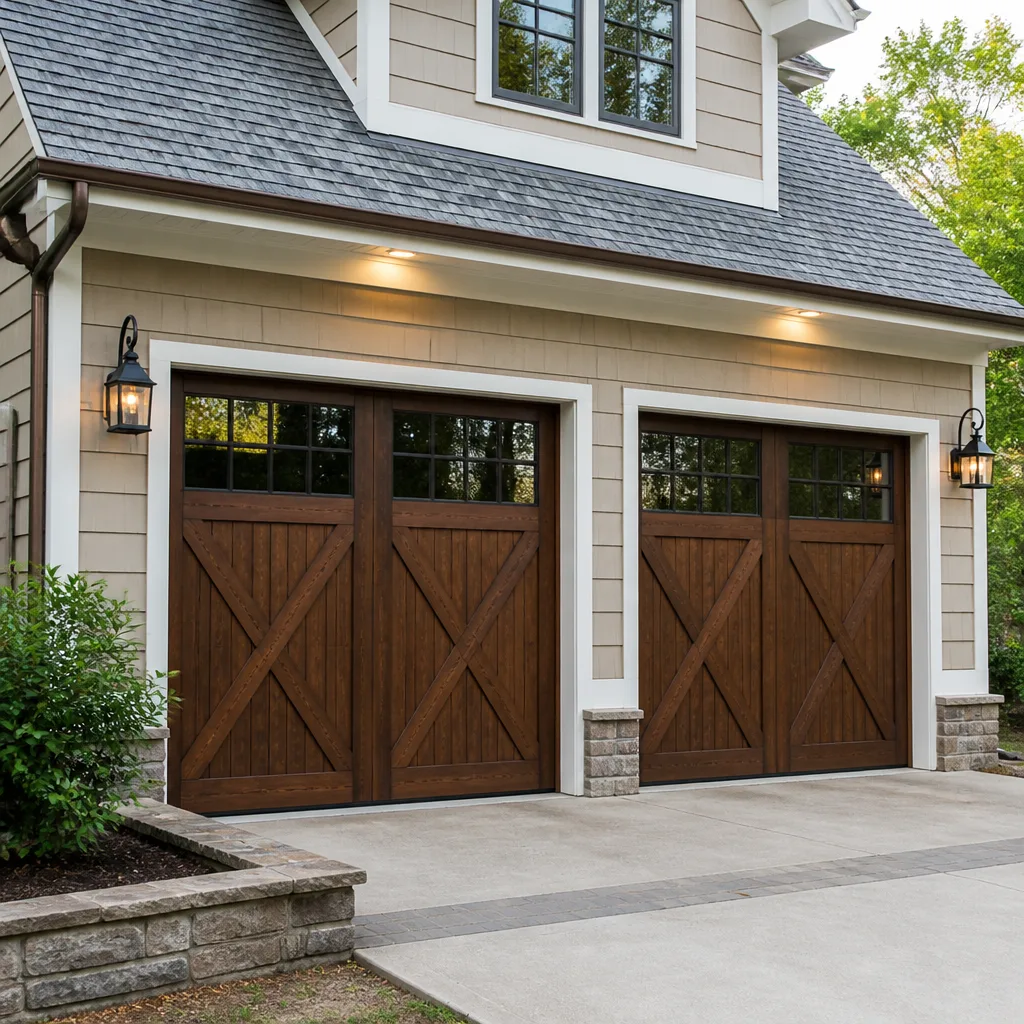
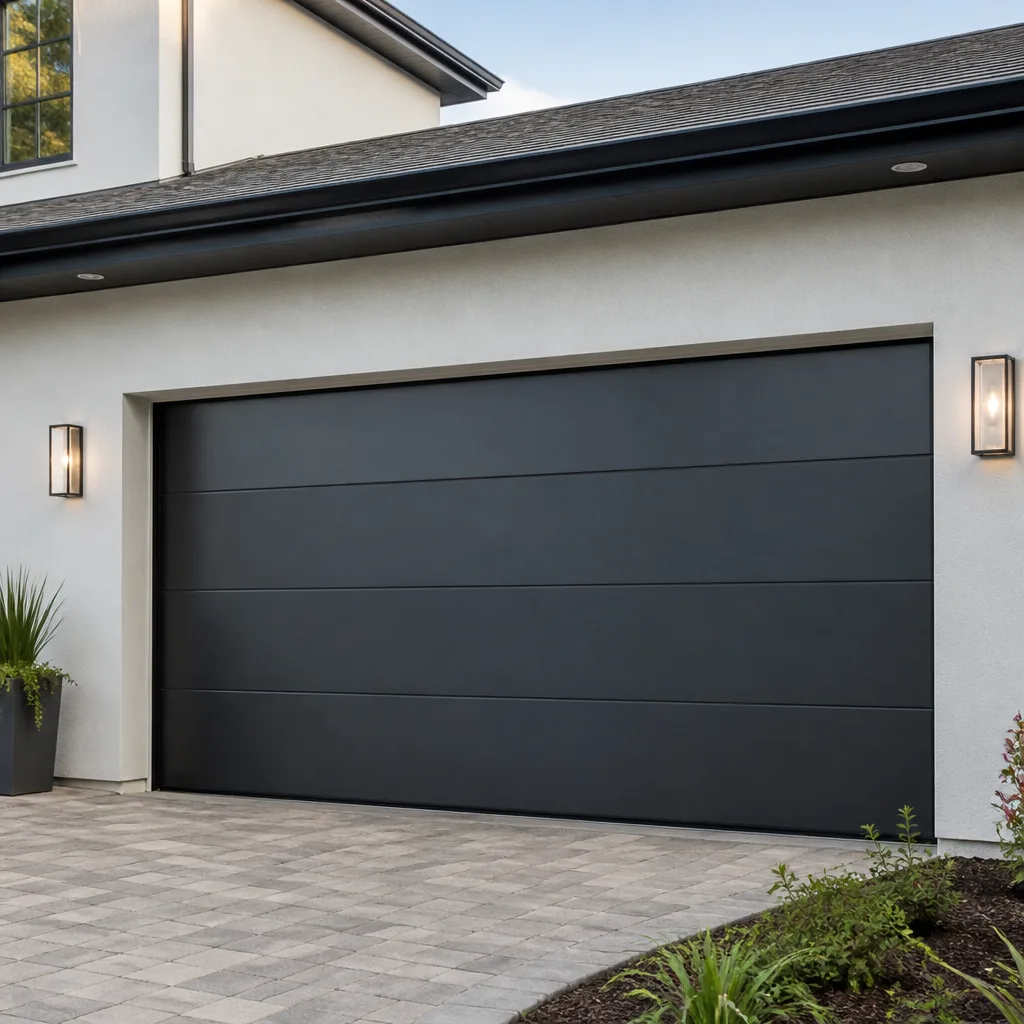
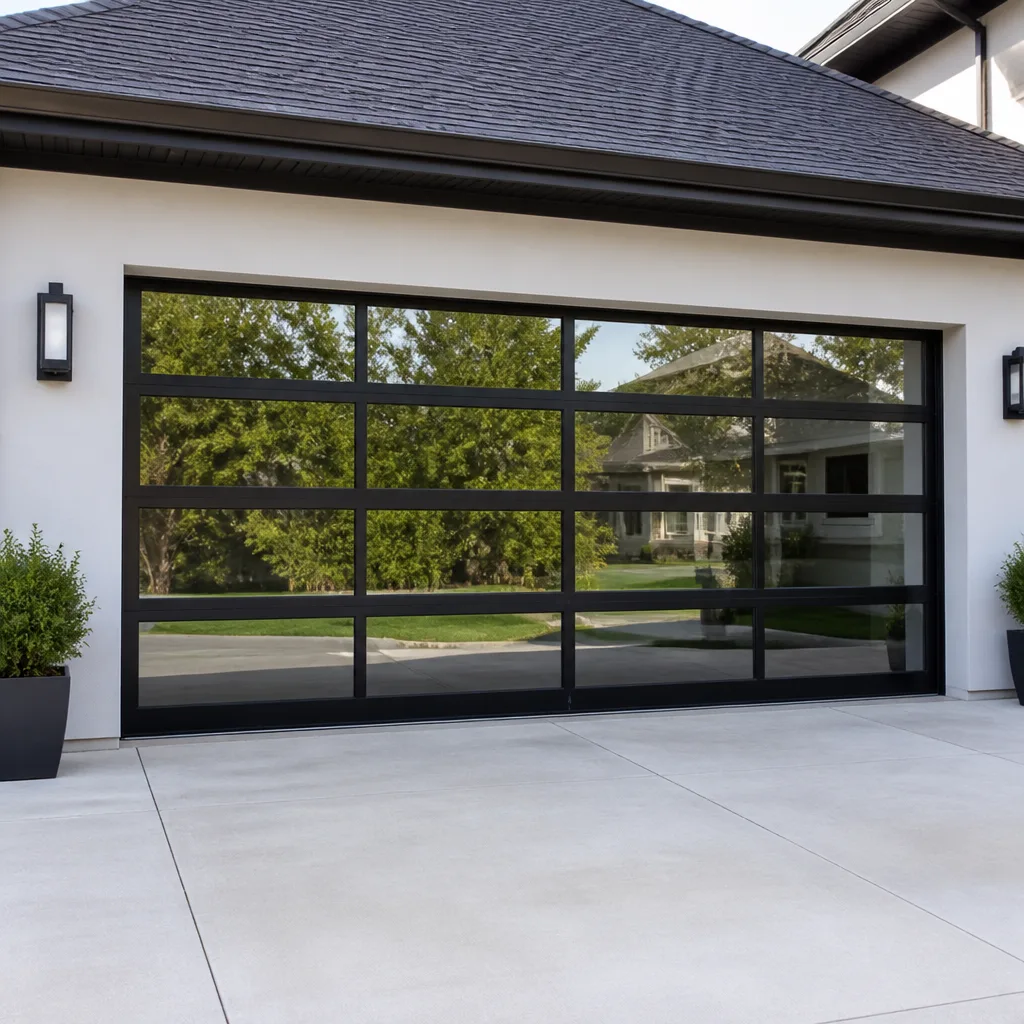
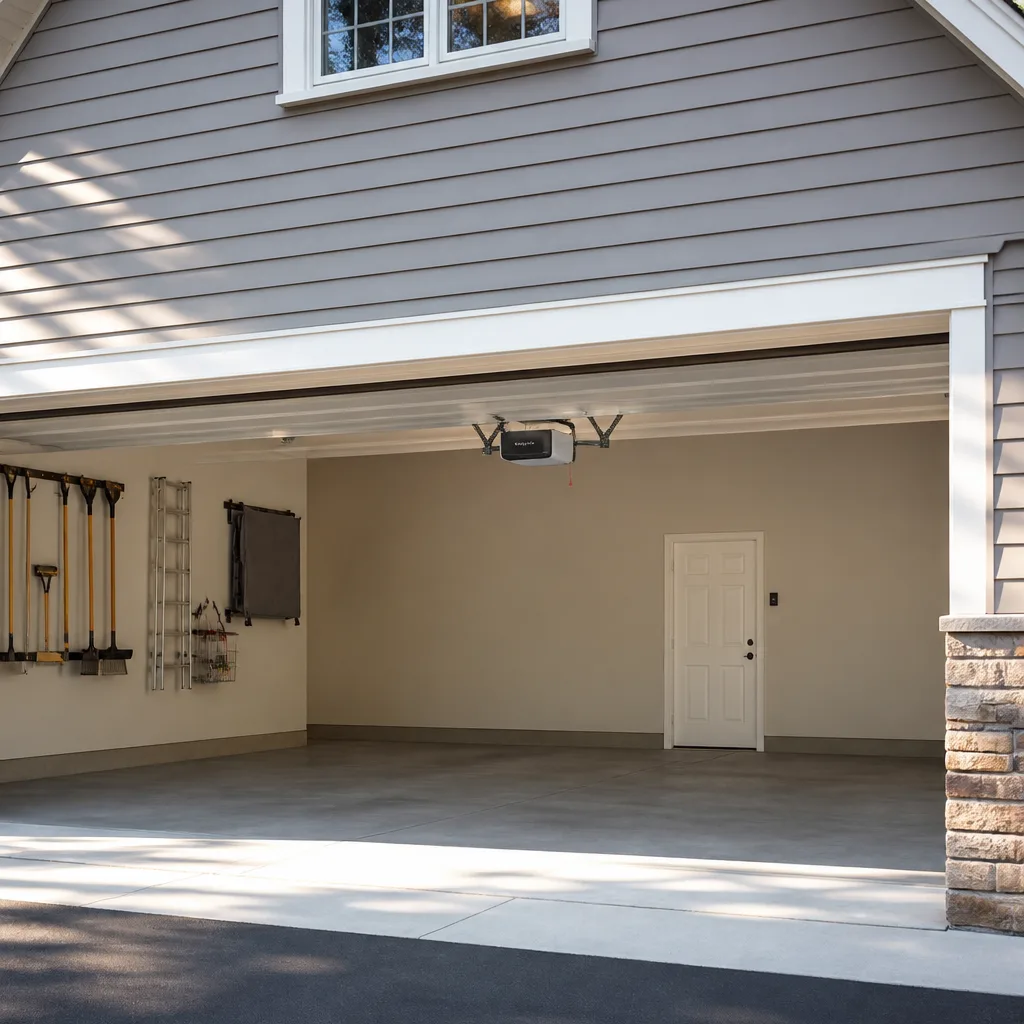
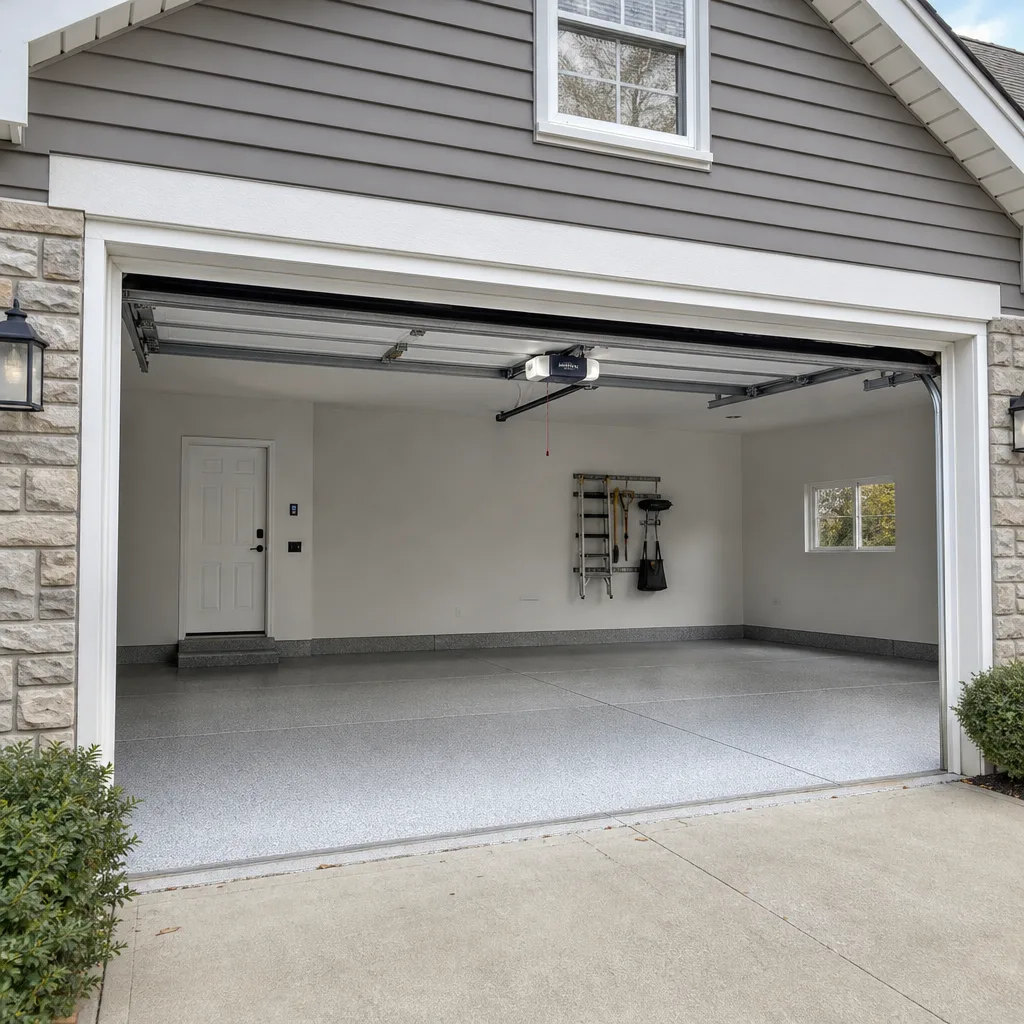
 Before
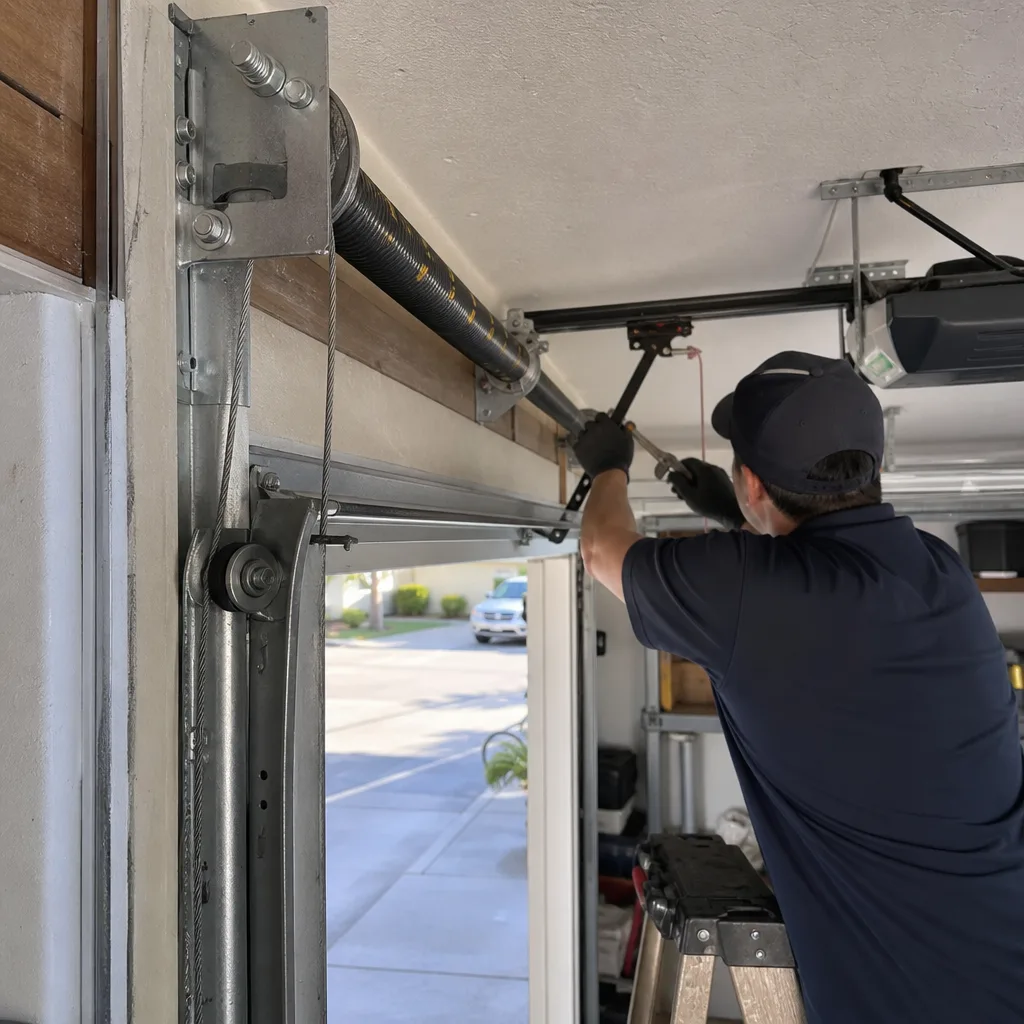 After
After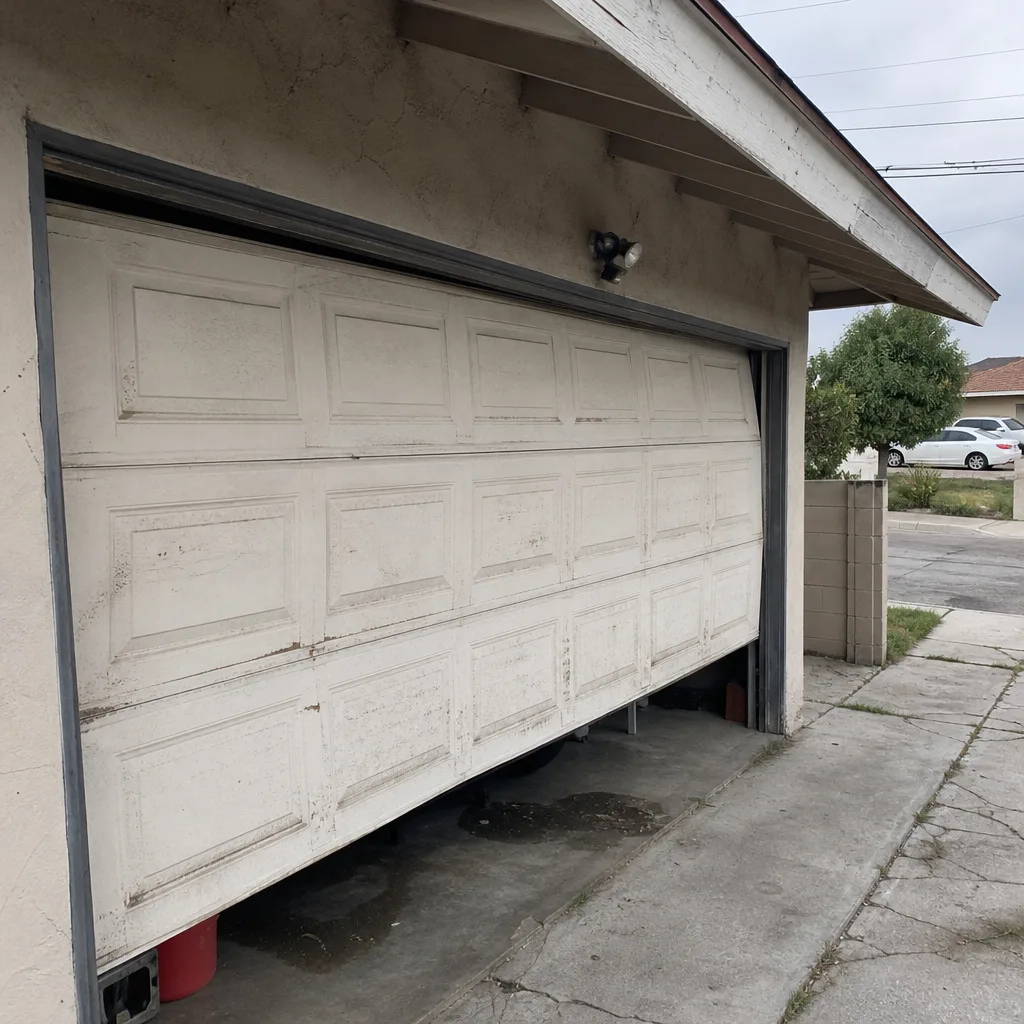 Before
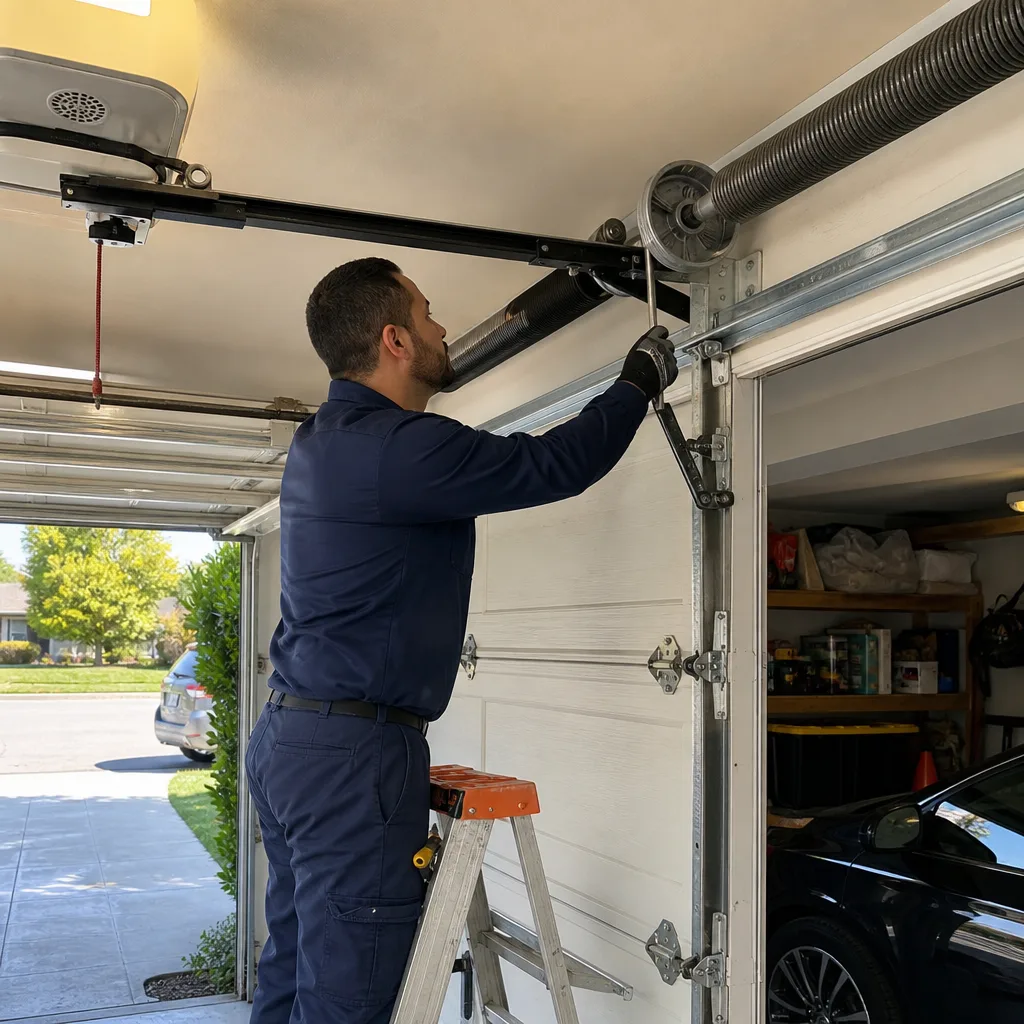 After
After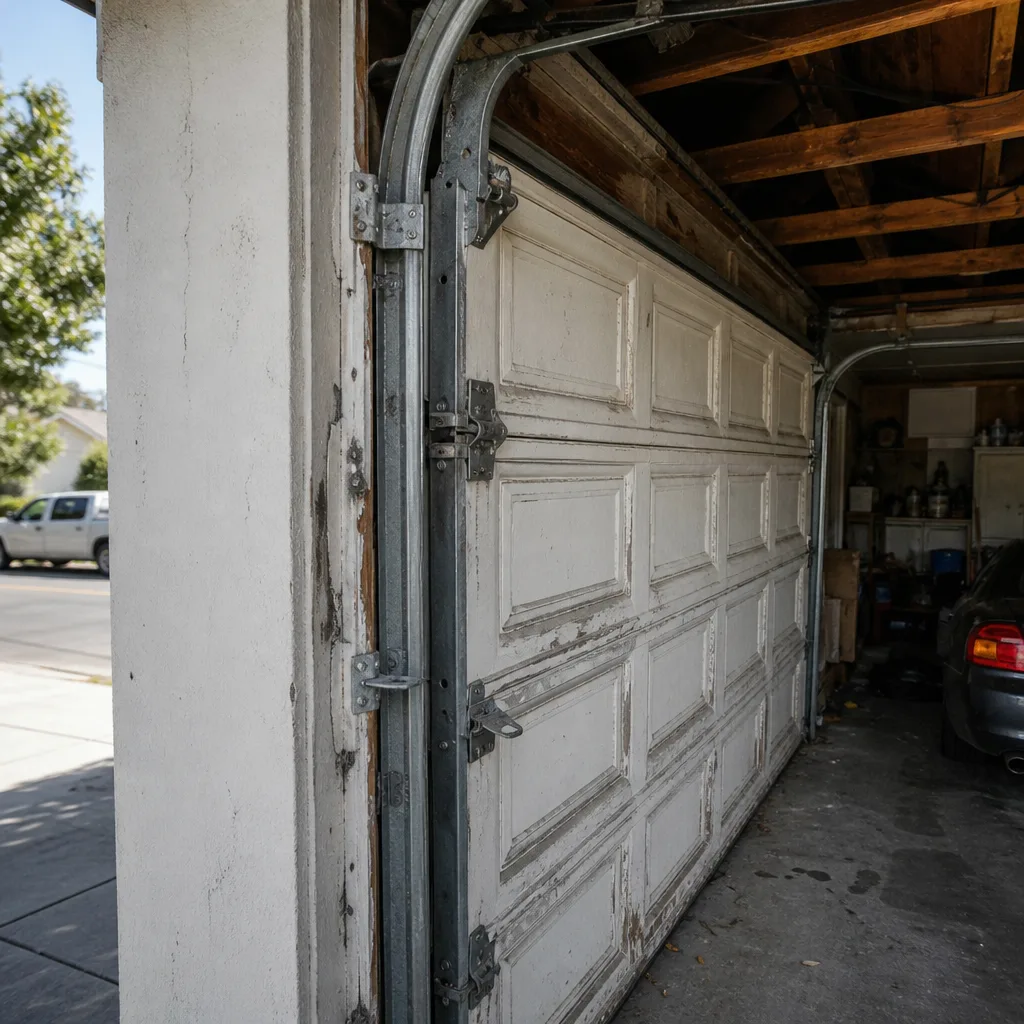 Before
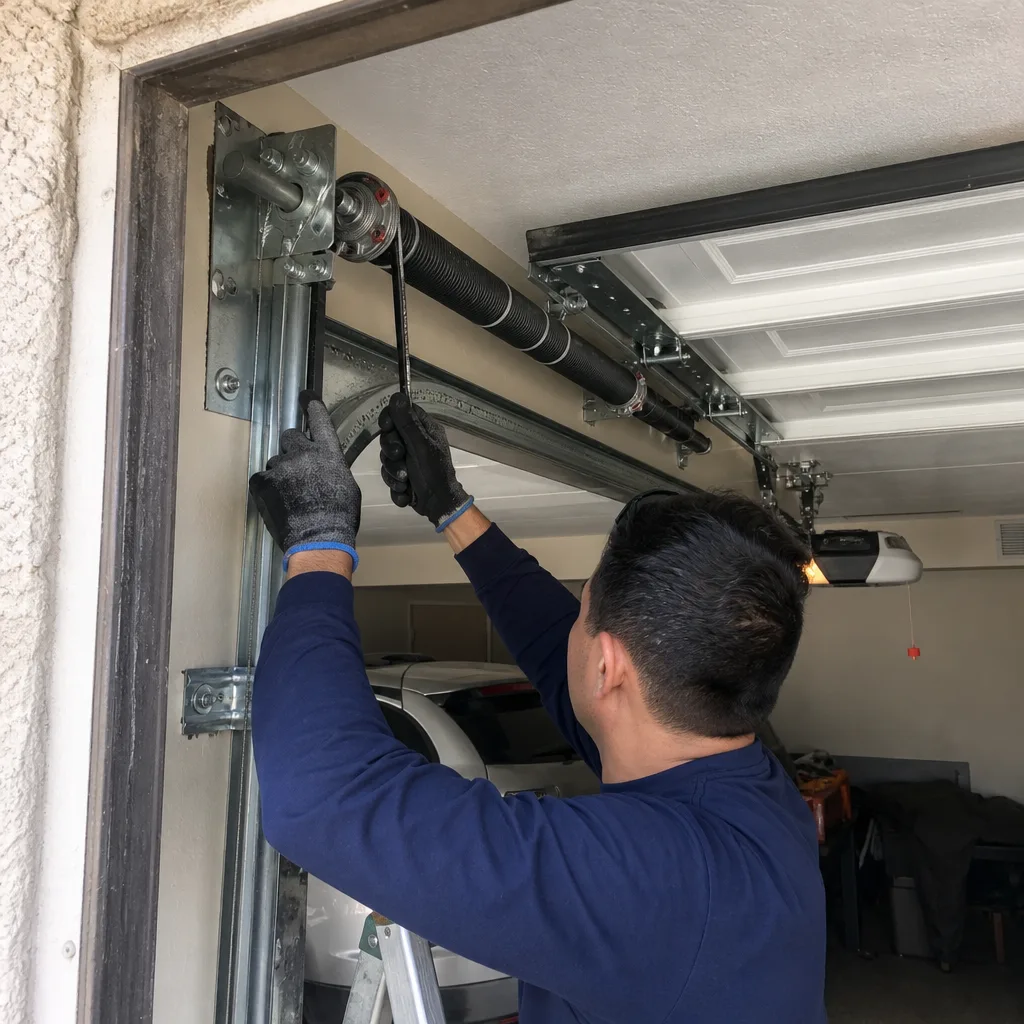 After
AfterHow Long Does Garage Door Repair Take? Timelines and What to Expect
Here’s something most garage door companies won’t tell you: the phrase “about an hour” covers everything from a 20-minute spring swap to a 3-hour track realignment. The difference usually comes down to one variable the scheduler never asks about: what’s actually on the truck when the tech pulls up to your driveway in Los Angeles. This guide breaks down repair timelines by the specific part that failed, walks through the four job-site factors that silently add 45 to 90 minutes to any job, and tells you exactly how to structure your day so Garage Door Repair services don’t burn a full afternoon. You’ll also learn the one question to ask when booking that cuts your chance of a two-visit repair in half.
Quick Answer
Most garage door repairs take between 45 minutes and 2 hours on-site, with spring replacement typically running 60 to 90 minutes and full track realignment stretching to 2 to 3 hours. The biggest wildcard isn’t the repair itself, it’s whether the technician arrives with the right parts already in the truck. At Marlow Garage Door Repair, our techs carry parts for all eight major brands we service, which means most Los Angeles jobs wrap up in a single visit.
Table of Contents
- Time Estimates by Repair Type
- The Four Job-Site Factors That Add Real Time
- What “Parts on the Truck” Actually Means
- How to Structure Your Day Around a Repair
- The One Question That Cuts Two-Visit Repairs in Half
- Common Mistakes to Avoid
- When to Call a Professional
- Frequently Asked Questions
Time Estimates by Repair Type
Not all garage door repairs are created equal. A seasoned tech with a stocked truck can knock out some fixes before your coffee gets cold, while others legitimately need the better part of a morning. Here’s what we tell homeowners in Los Angeles when they ask how long their specific repair will take. These estimates assume standard door sizes and hardware that isn’t fighting back.
Garage Door Spring Replacement: 60 to 90 Minutes
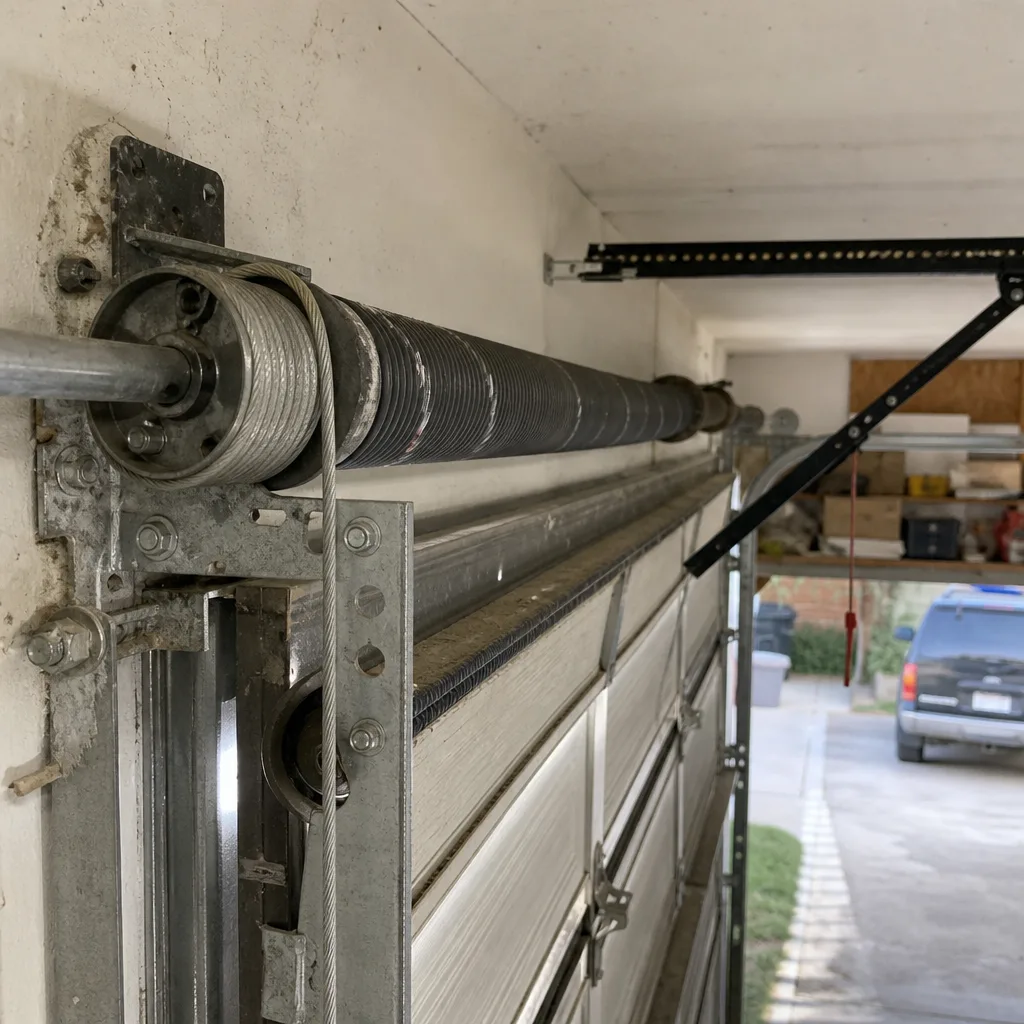
This is the single most common repair we handle across Los Angeles, from Echo Park bungalows to Tarzana ranch houses. A torsion spring, the horizontal coil above your door that does most of the heavy lifting, typically takes one to two hours to replace. Why the range? If both springs are the same age and one snapped, a good tech will recommend replacing both. Two springs mean double the winding time. Tension adjustment after installation adds another 10 to 15 minutes. Prices in the LA market for spring replacement typically run $150 to $290 per spring depending on spring type and door weight, and you should see an exact written number before any wrench turns. For a deeper look at what drives these timelines, read our guide on How Long Does Garage Door Spring Repair Take? Timelines and What to Expect.
Garage Door Cable Repair: 45 to 90 Minutes
Cables are the steel lines that run alongside your door and connect the springs to the bottom brackets. A frayed or snapped cable usually takes 45 minutes to an hour and a half to replace. The catch: cables rarely fail in isolation. If a cable snapped, chances are the spring was doing uneven work, or the door itself was out of balance. Our technicians in Los Angeles always check the full system when a cable comes in, which means a “cable repair” sometimes becomes a cable-plus-balance correction. That’s a good thing, it prevents a second breakdown three weeks later. You can read more about our approach on our Garage Door Cable Repair in Los Angeles page.
Opener Replacement or Repair: 1 to 2 Hours
Swapping out a failed opener motor typically takes one to two hours. The work involves unmounting the old unit, installing the new one, adjusting the travel limits so the door doesn’t slam or stop short, and pairing remotes and keypads. If your opener is just acting up, a sensor realignment or logic board reset might take 20 minutes. But if the unit is more than 10 years old, replacement is often cheaper than chasing intermittent failures. LA garages run hot, and heat kills opener circuit boards faster than anything else we see.
Panel Replacement: 1 to 2.5 Hours
A dented or cracked panel from a bumped bumper or an errant basketball usually takes one to two and a half hours to swap. The panel itself often needs to be ordered, which means this is frequently a two-visit repair regardless of who you call. We’re factory-trained on Clopay, Amarr, and Wayne Dalton doors, so when the panel arrives, installation is straightforward. But expect a wait for the part itself, custom color matching can take a week or more.
Full Track Realignment: 2 to 3 Hours
If your door shudders, binds, or comes off its rails, you’re looking at track realignment work. The vertical and horizontal tracks need to be loosened, re-squared, and re-tightened, then the door rollers need testing through the full travel cycle. This is the repair most likely to run long in Los Angeles, because older homes in neighborhoods like Highland Park and West Adams often have settled garages where the slab has shifted. When the floor isn’t level, the track alignment has to compensate. Two to three hours is realistic, sometimes longer if rust has fused the track bolts.
Key Takeaway
- Most single-part repairs: 45 to 90 minutes on-site
- System-level fixes (springs plus cables plus balance): 90 minutes to 2 hours
- Anything with a custom-ordered part: allow 1 to 2 weeks total, with one short install visit
The Four Job-Site Factors That Add Real Time
Here’s what nobody tells you about repair timelines: the repair itself is often the fastest part of the visit. The things that drag a job from 45 minutes to two and a half hours happen before the first tool comes out. In our 20-plus years serving Los Angeles, we’ve identified four recurring factors that add serious time to garage door repairs. None of them show up on a booking form.
Factor 1: Limited Ceiling Clearance
Older LA garages, especially those built before 1960, were designed for smaller doors and lower ceilings. If a torsion spring needs replacing and there’s only eight inches of clearance between the top of the door and the ceiling, the tech has less room to work the winding bars. Every adjustment takes longer. In some Los Angeles garages, the spring assembly sits so close to the ceiling that the tech has to remove the end bearing plates entirely, adding 30 to 45 minutes to an otherwise standard spring job. Homeowners in West Hollywood and Silver Lake with original garages should expect this complication more often than not.
Factor 2: Non-Standard Door Weight
A standard 16-foot-wide steel door weighs between 150 and 250 pounds. But solid wood doors, custom glass-panel doors, or doors that were “reinforced” by a previous owner can weigh 400 pounds or more. Heavier doors require higher-cycle springs, which are larger, stiffer, and slower to install. They also demand more precise tension adjustment. If you own a mid-century home in Los Feliz with an original redwood door, your spring replacement is going to run longer than the neighbor’s stamped-steel Clopay. We see this constantly in the older hillside neighborhoods.
Factor 3: Rusted or Seized Hardware
Coastal moisture, and yes, Los Angeles has plenty of it within a few miles of the ocean, accelerates rust on track bolts, hinge plates, and mounting brackets. A tech arriving in Venice or Playa del Rey for a simple roller replacement sometimes finds the hinge bolts so corroded that they shear off instead of unscrewing. Drilling out a snapped bolt and re-tapping the hole adds 20 to 40 minutes per bolt. We carry extractor kits on every truck specifically because this is so common in the beach-adjacent parts of the city.
Factor 4: Missing Original Parts
Doors that were installed decades ago by companies that no longer exist, or doors that have been patched with mismatched hardware, present a puzzle before they present a repair. If the door’s original spring wasn’t labeled, the tech has to determine the spring’s wire gauge, inside diameter, and length by measurement rather than by part number. That’s not a problem, but it does take time. On doors from Craftsman-era installs or from brands that changed their part numbering, figure an extra 20 to 30 minutes of identification work before installation begins.
What “Parts on the Truck” Actually Means
When a garage door company says “we carry parts on the truck,” what they usually mean is: we carry the parts that fail most often, in the most common sizes. Here’s what that translates to in the real world of Los Angeles garage door repair.
Springs, cables, rollers, hinges, sensors, and standard opener gears are typically on hand. Our techs stock for LiftMaster, Chamberlain, Genie, Clopay, Amarr, Wayne Dalton, Craftsman, and Raynor doors because those eight brands cover the overwhelming majority of what’s installed across LA County. That means a spring snap, a frayed cable, a stripped gear, or a dead sensor can almost always be fixed the same visit.
What generally is not on any truck, ours included: custom-sized panels, specialty glass inserts, top and bottom seal strips in non-standard lengths, and opener models that are no longer manufactured. Panels are the big one. If your door is a discontinued color or a custom size, the panel gets ordered from a regional distributor and arrives in days, not hours. Any company that promises same-day panel replacement on the phone is not being straight with you. The honest answer is: we’ll measure, quote you a written price, order the panel, and schedule install as soon as it lands in our warehouse.
This is also where Garage Door Spring Repair in Los Angeles gets interesting. Springs come in dozens of sizes, and a responsible tech carries the 12 to 15 most common configurations. If your door needs an uncommon spring, the tech may need to return with it. That’s rare but real. Our dispatchers ask about your door’s age, size, and brand at booking specifically so we can match the right spring inventory to the right truck.
How to Structure Your Day Around a Repair
Repair timeline questions are really scheduling questions. You’re not asking “how long does this take” out of pure curiosity, you’re trying to figure out whether to take half a day off work or whether a tech can come and go while you’re on a Zoom call. Here’s how to plan.
Step 1: Get a Real Arrival Window, Not a Range
A legitimate arrival window is a 60 to 90 minute block tied to a live tracking link. You should be able to see your tech’s vehicle moving toward your house in real time, the same way you’d track a rideshare. A vague “8am to 5pm” answer is a red flag. It means the company is overbooking and hoping you’ll just wait around. At Marlow Garage Door Repair, you get a live arrival time you can track, which is part of what we call the Relay Visibility Guarantee. You’ll know when the tech is 20 minutes out, and you’ll have a photo of the tech before they ring your bell.
Step 2: Plan Around the Repair, Not the Other Way
If your repair is a spring or cable job, plan for a 2-hour block: 60 to 90 minutes on-site plus a little buffer. Book it for the morning if you can, morning appointments in Los Angeles are less likely to run late from dispatch delays that pile up during afternoon traffic on the 405 and the 10. If your repair involves a panel order, expect a short measuring visit first, then a separate install visit one to two weeks later. The install itself is usually fast.
Step 3: If the Tech Is Early, Take the Win
An early tech is not a problem to manage. If a morning job cancels and our tech can reach you by 9:45 for a 10:30 appointment, we’ll call and ask if you want the early arrival. You’re never obligated to say yes. But if you can say yes, you’re done before lunch.
Step 4: If the Tech Is Running Late, You Should Already Know
With a live tracking link, you’re never sitting there wondering. If the tech’s previous job ran long because a spring snapped and the whole system needed rebalancing, you’ll see the updated arrival time on your phone without calling anyone. That’s the whole point of booking with a company that gives you visibility instead of a phone-tag routine when anything shifts.
The One Question That Cuts Two-Visit Repairs in Half
Here’s the single most useful thing you’ll take from this guide. When you book a garage door repair, ask this exact question:
“Can you tell me what parts the tech will arrive with, and what happens if the door needs something that isn’t on the truck?”
That question does two things. First, it reveals whether the dispatcher actually knows their inventory or is just reading a script. Second, it sets up a clear next step if the unexpected happens. A good company will answer: “The tech will arrive with X, Y, and Z parts for your door brand. If something else is needed, you’ll get a written quote for the additional work before anything is done, and we’ll schedule the follow-up before leaving.” A bad company will mumble something about “the tech will figure it out on-site.”
Asking this question when you book cuts the chance of a surprise second visit dramatically, because it forces the parts conversation to happen before the truck rolls. In our Los Angeles operations, we train every phone rep to walk through the parts inventory for the customer’s specific brand before the call ends. It’s not a time-waster, it’s the difference between a one-visit repair and a two-week saga.
You can read more about our repair process and service areas on the Marlow Garage Door Repair home page.
Common Mistakes to Avoid
- Accepting a vague time window. If a company says “the tech will be there sometime between 8 and 5,” you’re not a customer, you’re a slot. Demand a specific window with live tracking, or call someone else. This is the most common complaint we hear from Los Angeles homeowners switching to us.
- Waiting for a small problem to become a big one. A squeaky roller or a slightly sticky opener is a $100 fix today and a $600 spring-and-cable job in six months. The heat and dry air of an LA summer accelerate wear on plastic gears and rubber seals faster than most people expect.
- Replacing only the broken spring. Springs are designed to work in pairs. If one snapped, the other is near the end of its life too. Replacing both costs more that day but saves a second service call inside of a year. Any reputable shop in Los Angeles will tell you the same.
- Choosing the cheapest quote without asking what’s included. A $79 “service call” that doesn’t include labor, parts, or a guarantee is just a trip charge with extra steps. Look for a written price that covers the full repair, stated before work begins.
- Not asking about the guarantee. Every repair should come with a written warranty that covers both parts and labor for more than the standard 30 days. Our 365-Day Done Right Promise backs every repair for a full year, and if it isn’t right, the second visit is free.
- DIY-ing anything involving springs or cables. Torsion springs hold hundreds of pounds of tension. A spring that releases that tension into a face or a hand is a life-changing injury. This is the one repair where even handy homeowners should stop and call a pro.
When to Call a Professional
Call a professional whenever springs, cables, or tracks are involved. These components carry the full weight of a 200-plus-pound door, and when they fail, they fail violently. A snapped cable can whip through a garage, and a torsion spring under tension stores enough energy to break bones. If your door makes a loud bang, if a cable looks frayed or loose, if the door hangs unevenly, or if it refuses to stay open, stop using it and call. Garage Door Repair in Los Angeles is the core of what Marlow does. We offer free estimates across Los Angeles, and you’ll get a written price before any work starts. Call (512) 883-4374 to talk to a real person, 24 hours a day, 7 days a week.
Frequently Asked Questions
A standard torsion spring replacement takes 60 to 90 minutes on-site, including both springs if you’re replacing them as a pair, which we recommend when they’re the same age. In Los Angeles, spring replacement typically runs $150 to $290 per spring depending on spring type and door weight, and you’ll see the exact number before we start. Call (512) 883-4374 for a precise quote on your door.
Yes, for most spring, cable, and opener repairs. Our trucks are stocked for the eight major brands we service, so most Los Angeles jobs are completed the same visit. The exception is custom parts like special-order panels, which need to be measured and ordered first.
No. You receive a written price before any work begins, and we hold to it. If a complication arises that requires additional work, we’ll show you a new written quote and get your sign-off before touching it. The number you agree to is the number you pay, every time.
Yes, our techs carry springs, cables, rollers, hinges, sensors, and opener gears for LiftMaster, Chamberlain, Genie, Clopay, Amarr, Wayne Dalton, Craftsman, and Raynor doors. That covers the vast majority of repairs in one visit. Custom panels and discontinued parts require an order.
Labor rates in LA run higher than the national average due to the cost of doing business here, but the real cost driver is door weight and part availability, not geography. Older homes in neighborhoods like Los Feliz and Silver Lake often have heavier custom doors that require higher-cycle springs, which cost a bit more than standard springs. Expect most repairs in Los Angeles to fall between $150 and $400 depending on the component.
If the door still opens and closes without banging, grinding, or hanging unevenly, you can use it carefully. But if a spring has snapped, a cable is frayed, or the door sags on one side, disconnect the opener and leave the door closed until a tech arrives. Using a broken door can cause additional damage and put you at risk if a component fails completely.
The Bottom Line
Garage door repair timelines in Los Angeles range from 45 minutes to 3 hours on-site, with spring and cable work landing in the 60 to 90 minute sweet spot. The factors that stretch a job, ceiling clearance, door weight, rust, and missing parts, are discoverable before the truck even arrives if you ask the right questions when you book. Demand a live arrival window, ask about parts inventory for your specific door brand, and get every price in writing before a wrench turns. A good repair company gives you all three without being asked. At Marlow Garage Door Repair, that’s been the standard since 2002. For more guides & resources, visit our blog.
Written by Jaylen Ross, Owner at Marlow Garage Door Repair, serving Los Angeles since 2002.