
Last updated October 9, 2026
Full 25-point door and opener safety check with every visit - springs, cables, rollers, tracks, and your LiftMaster or Chamberlain opener included
You get a price before we start. It does not change when the truck arrives.
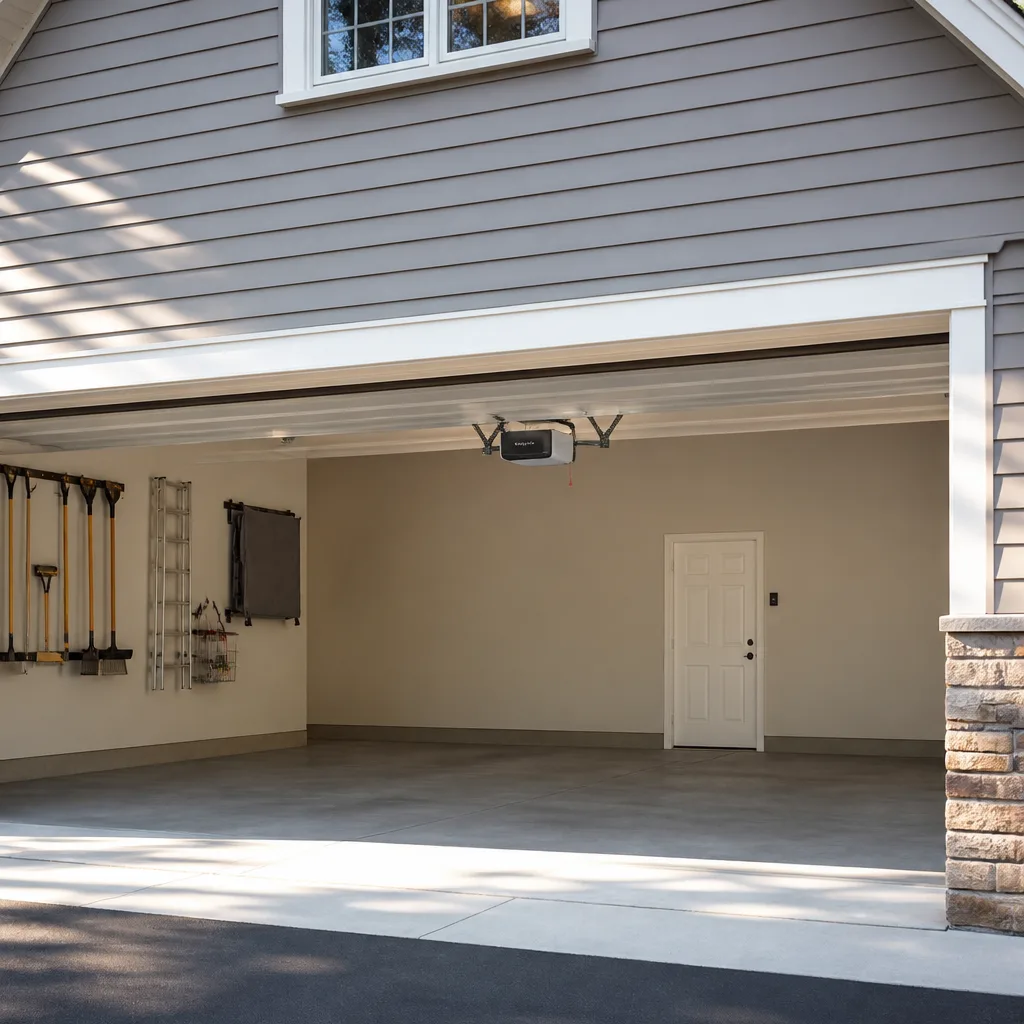
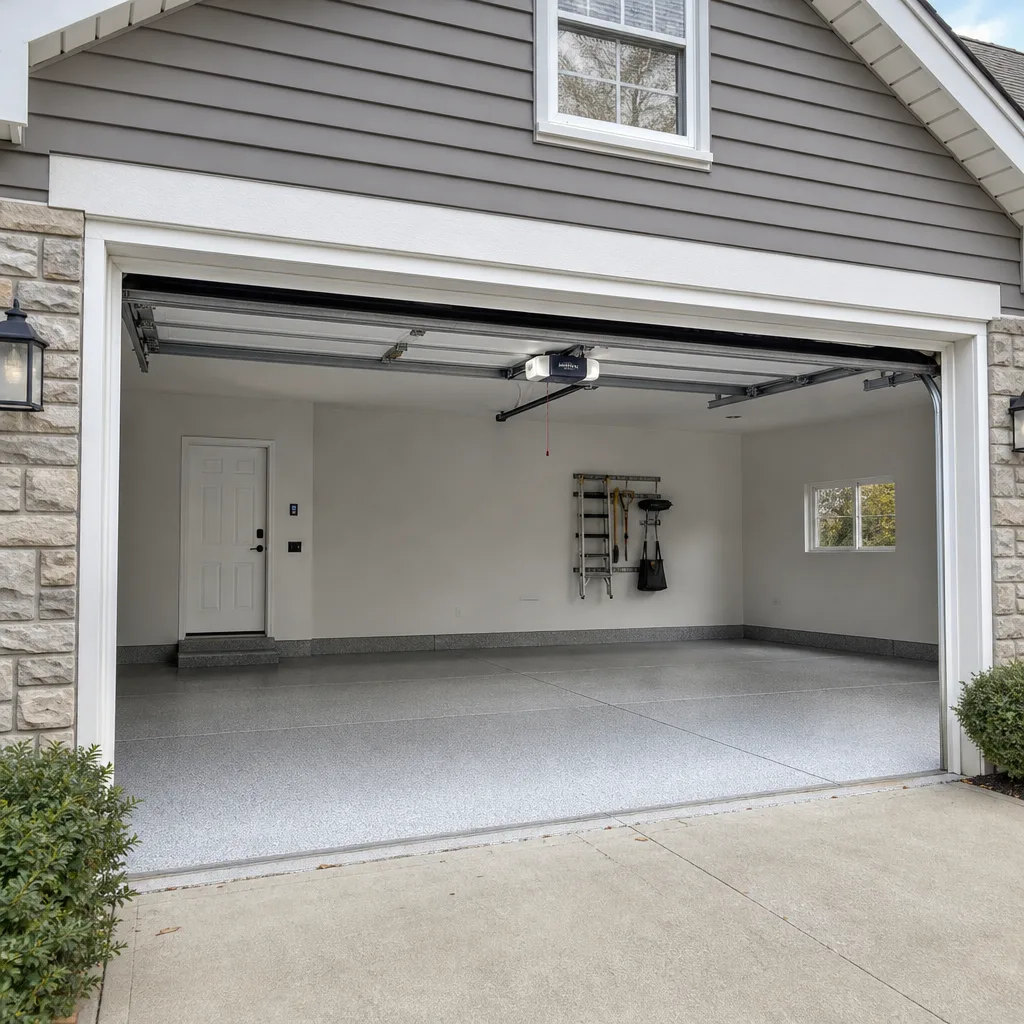
 Before
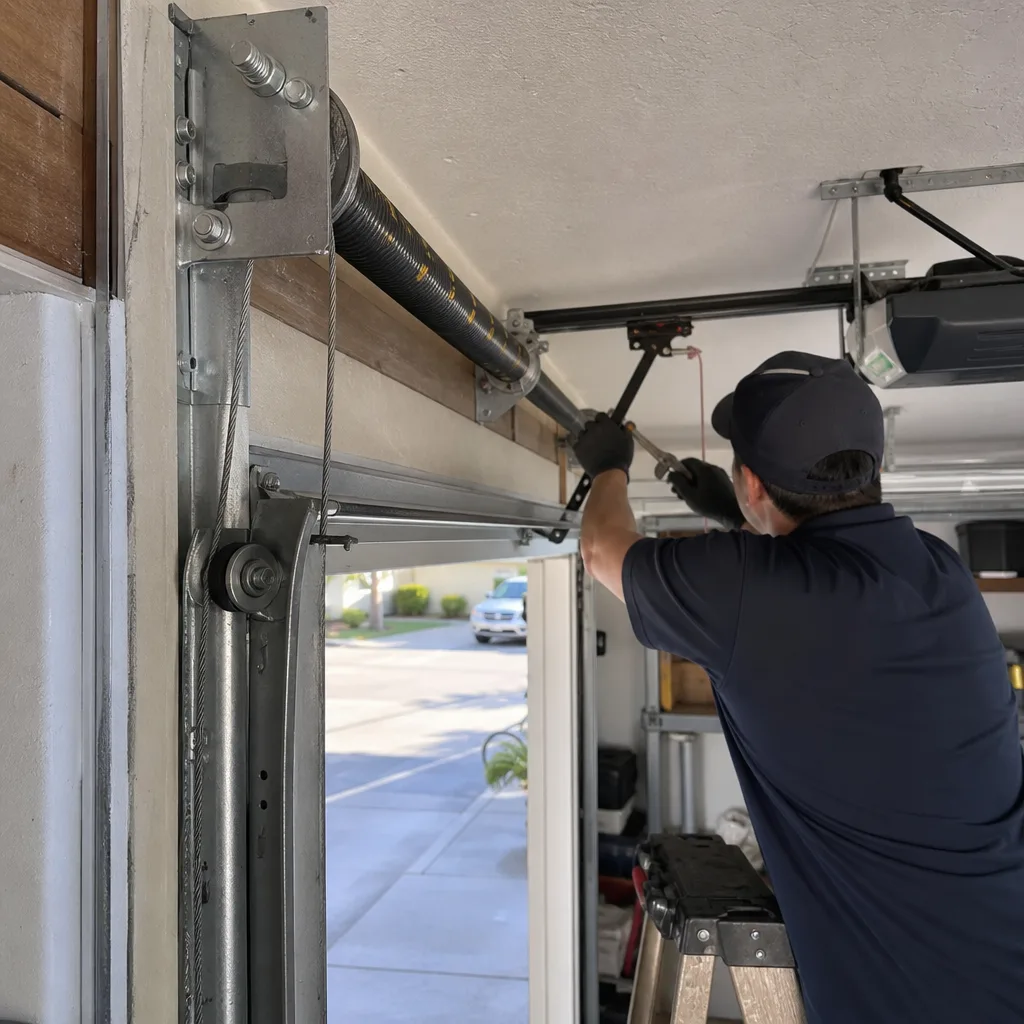 After
After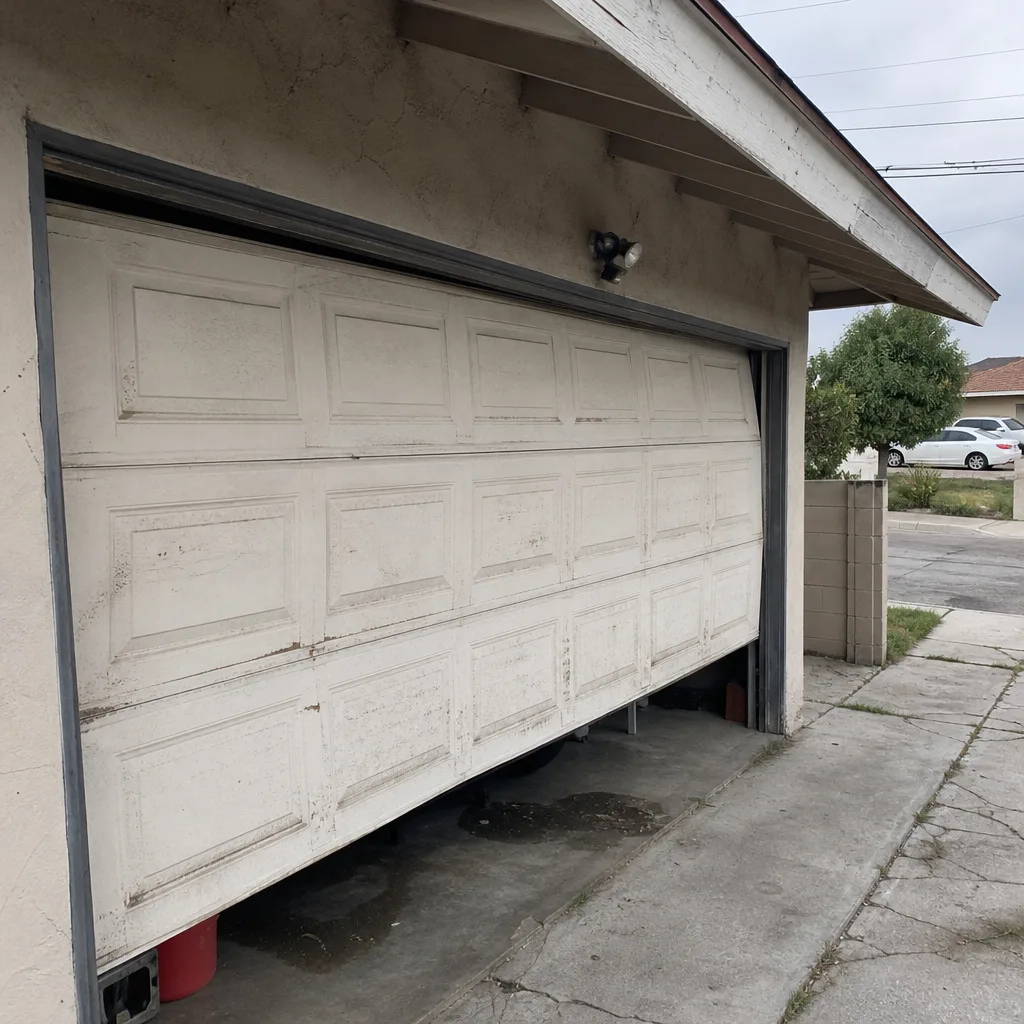 Before
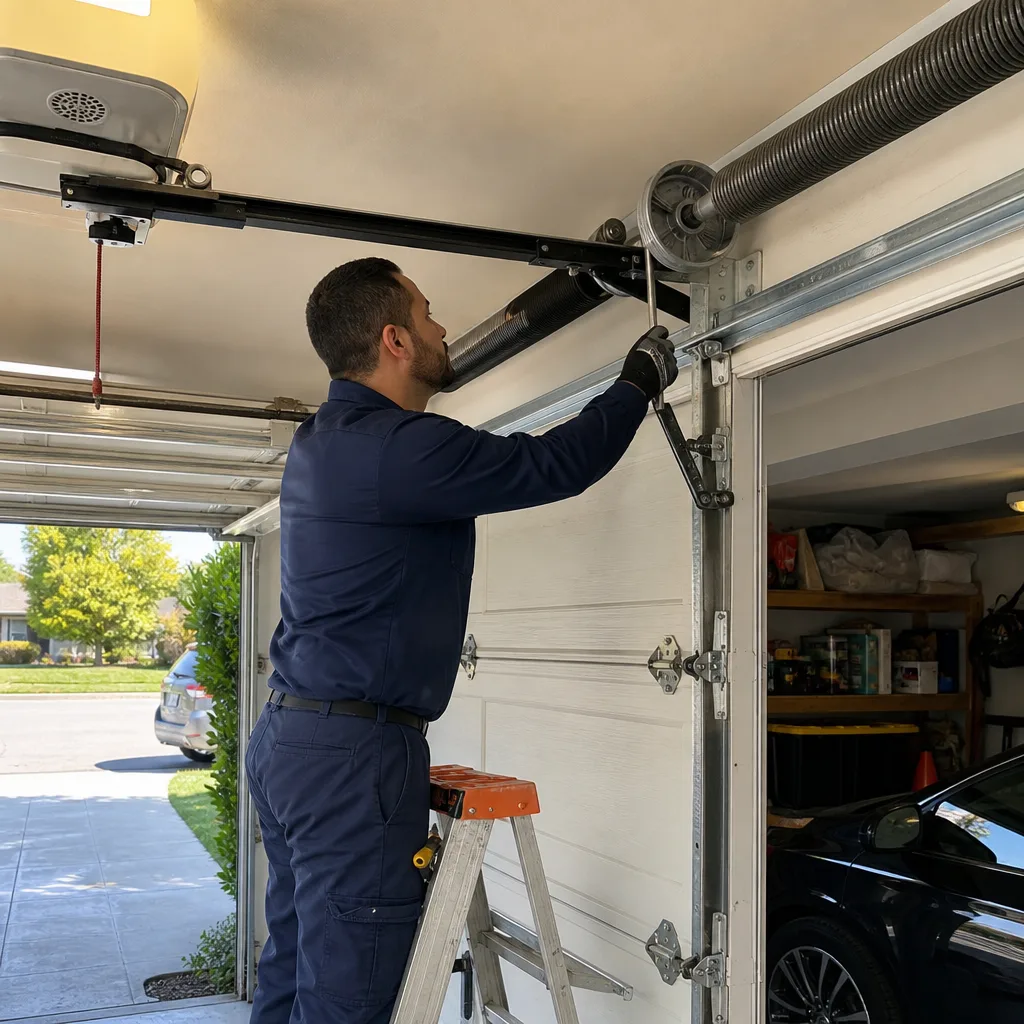 After
After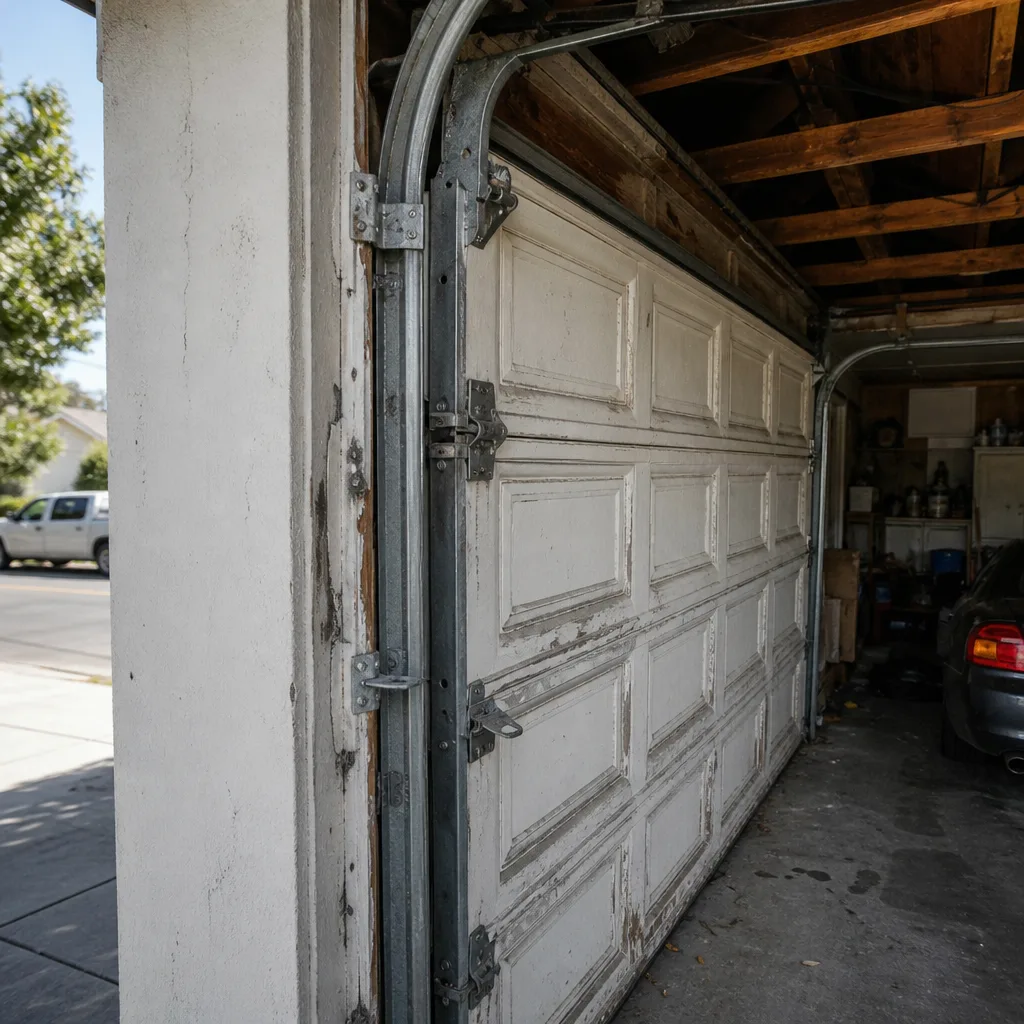 Before
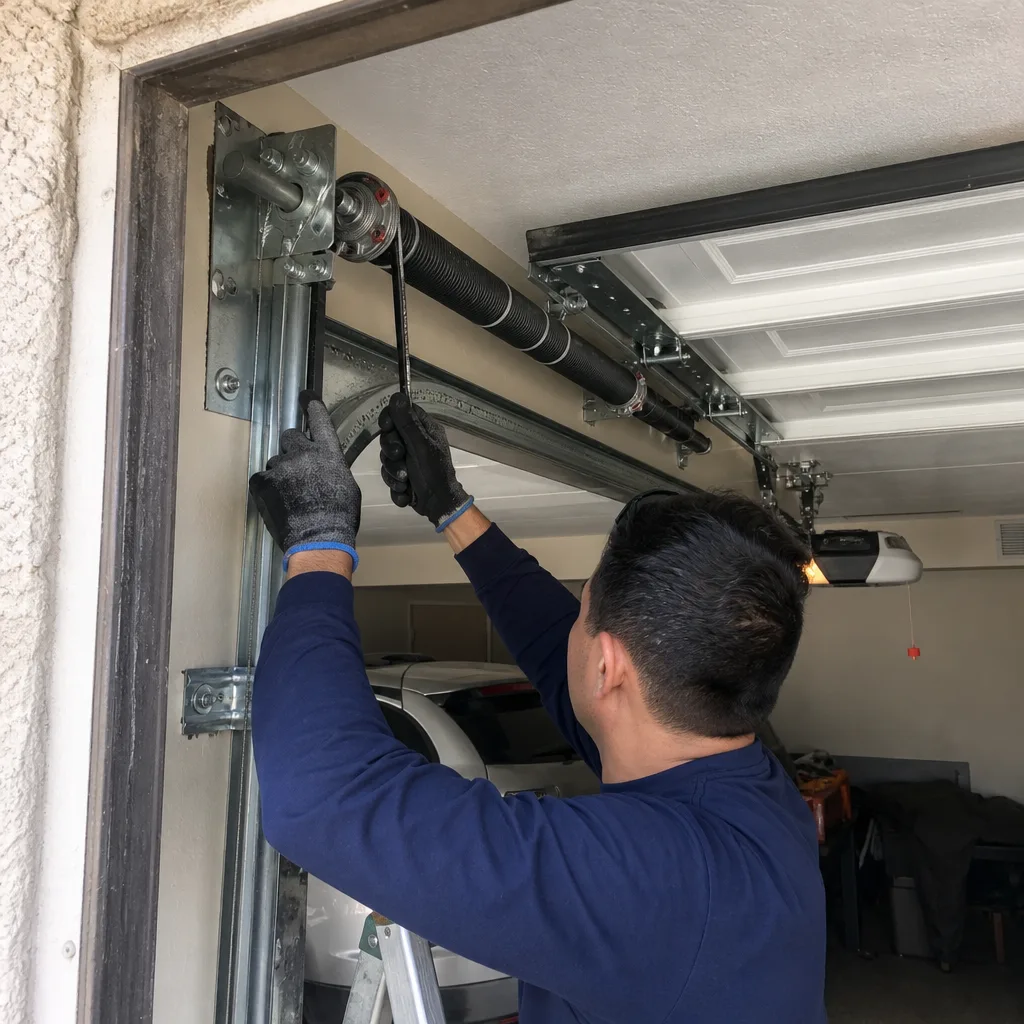 After
AfterSeasonal Garage Door Care for Los Angeles: Year-Round Homeowner’s Guide
June in Redondo Beach and June in Burbank are functionally different climates separated by 15 miles. One gets blanketed in marine layer moisture every morning. The other bakes under dry valley heat. And those two conditions stress a garage door in completely different ways. Los Angeles doesn’t have four seasons in the traditional sense. We get fire season, June Gloom, Santa Ana season, and that stretch from late October to early November when the weather is actually kind of nice. Each one damages garage doors differently, and most maintenance advice written for places with real winters misses the point entirely when applied to a house in Los Angeles. This Complete Garage Door Repair Guide for Los Angeles Homeowners covers what actually happens to your door throughout the year here, and what to do about it before a minor issue becomes a $400 repair.
Quick Answer
Seasonal garage door care in Los Angeles means adjusting your maintenance routine to four distinct conditions: marine layer moisture (May through July), wildfire smoke and heat (August through October), Santa Ana winds (September through January), and the mild window (March through April and October through November) that’s ideal for hardware inspections and preventive work. Most Los Angeles garage door failures are moisture-related rust on seals, UV-degraded weatherstripping, or smoke particulate buildup in tracks and sensors. A twice-yearly inspection timed to the shoulder seasons catches nearly all of these before they become breakdowns.
Table of Contents
- June Gloom: Marine Layer Moisture and the Rust It Leaves Behind
- Fire Season: Smoke, Ash, and What Gets Into Your Opener Motor
- Santa Ana Season: Why Dry Air Wrecks Weatherstripping Faster Than Cold Ever Could
- 300 Days of Sun: How UV Exposure Breaks Down Wood, Composite, and Steel Finishes
- The Actually-Kind-of-Nice Window: When to Schedule Real Maintenance in Los Angeles
- The Twice-Yearly Inspection: A Step-by-Step Checklist for LA Homeowners
- LA Seasonal Maintenance Calendar at a Glance
- Common Mistakes to Avoid
- When to Call a Professional
- Frequently Asked Questions
- The Bottom Line
June Gloom: Marine Layer Moisture and the Rust It Leaves Behind
From mid-May through July, neighborhoods west of the 405 wake up to wet, gray mornings that don’t burn off until early afternoon. That marine layer deposits a fine film of salt-tinged moisture on everything metal, including your garage door hardware. Homeowners a few miles inland in Sherman Oaks or Studio City rarely deal with this. Homeowners in Playa del Rey, Westchester, and El Segundo deal with it for eight straight weeks.
The bottom door seal, called a U-shaped astragal, is usually the first casualty. It sits against the concrete floor where water pools after a damp morning. Once rust starts on the metal retainer strip that holds the seal in place, the rubber itself degrades faster. You’ll see flaking metal, gaps where the seal no longer sits flush against the floor, and daylight creeping under the door on an overcast morning.
What to do during June Gloom:
- Check the bottom seal every two weeks. Run your hand along the inside of the door’s bottom edge. If you feel moisture or see rust staining on the concrete, that’s an early warning.
- Wipe down exposed hinges and rollers. A dry microfiber cloth removes salt film before it can cause pitting. Don’t use water – you’re trying to remove moisture, not add it.
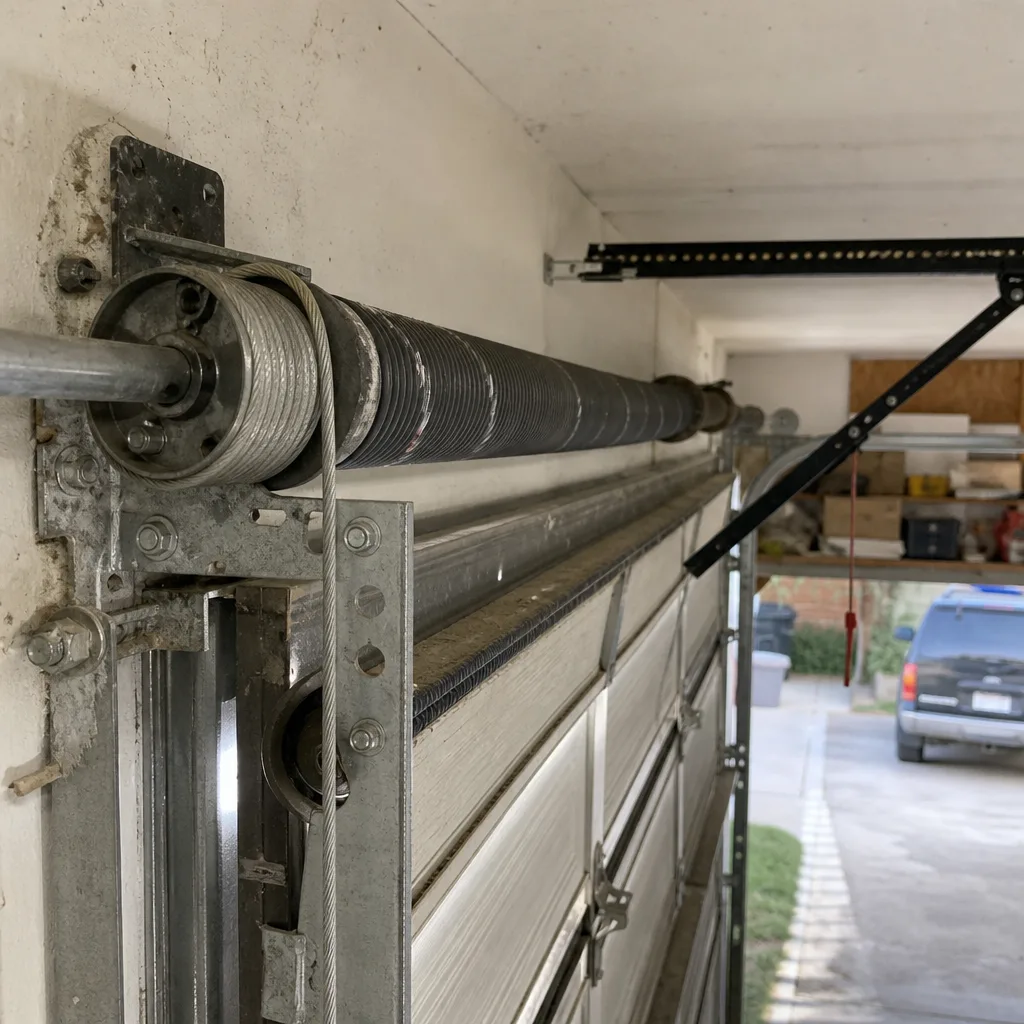
- Look at the torsion spring. The horizontal coil above your inside door panel does most of the lifting work. Humidity accelerates surface rust on springs, and a rusted spring is measurably weaker than a clean one.
- Test the auto-reverse sensor. Moisture can cause condensation inside the photo-eye housings near the floor, leading to false obstruction readings and a door that refuses to close.
In our experience, coastal Los Angeles garage doors need bottom seal replacement about 30% more often than doors just 10 miles inland. It’s not a major expense – typically $90 to $160 for a quality replacement seal installed – but ignoring the rust means the retainer strip eventually fails and the door stops sealing entirely. That lets in moisture, rodents, and enough dust to make a real mess. For full-service Garage Door Repair in Los Angeles, addressing these coastal-specific issues early saves the bigger work later.
Fire Season: Smoke, Ash, and What Gets Into Your Opener Motor
August through October in Los Angeles increasingly means wildfire smoke settling into the basin for days or weeks at a time. The particulate in that smoke is fine enough to work its way past the weatherstripping on your garage door and into the mechanical parts of the system. We’ve opened opener motor housings after a bad fire season and found a surprisingly thick layer of fine gray soot coating the circuit board and motor windings.
That soot is more than cosmetic. It holds moisture, which promotes corrosion on electrical contacts. It’s also slightly conductive when layered thick enough, which can cause sensor misreads, intermittent operation, or a door that starts and stops unpredictably. The tracks on either side of the door collect ash too, and when mixed with the silicone spray or lithium grease used on rollers, that ash forms a paste that accelerates roller wear-something covered in more detail in The Complete Garage Door Cable Repair Guide for Los Angeles Homeowners.
A postseason cleaning sequence that works:
- Blow out the tracks with compressed air. Keep the nozzle at least six inches from the track surface. You’re removing loose particulate, not blasting grease deeper into the mechanism.
- Wipe the photo-eye lenses with a dry cotton swab. Don’t use glass cleaner. Many photo-eye lenses are plastic, and ammonia-based cleaners fog them permanently.
- Vacuum around the opener motor housing. The vents on a LiftMaster or Chamberlain opener pull air in to cool the motor. Ash resting on those vents gets pulled inside on the next cycle. A soft brush attachment handles this in 30 seconds.
- Check the emergency release cord. Smoke exposure doesn’t directly hurt the cord, but ash grit around the release mechanism can make it stick. Test it once after a smoky stretch.
For most Los Angeles homeowners, this is a once-per-fire-season job unless you live close to a burn area. Homes in the foothills above Pasadena, La Cañada, or Porter Ranch should do this twice: once mid-season and once after the smoke clears for good.
Santa Ana Season: Why Dry Air Wrecks Weatherstripping Faster Than Cold Ever Could
Santa Ana winds hit from the northeast, usually between September and January, with humidity levels dropping to single digits. That’s lower than a desert in some cases. The air is dry enough that it pulls moisture out of anything flexible, including the rubber weatherstripping around your garage door.
This is the part most generic garage door advice gets wrong. Guides written for Chicago or Boston warn about cold making rubber brittle. In Los Angeles, the Santa Anas do the same thing with heat and aridity. Rubber weatherstripping dries out, cracks along the fold lines, and then stops sealing when the wind blows. You’ll feel the draft, see dust lines on the garage floor, and hear the door rattle in its tracks on a windy night.
Springs also behave differently in extremely low humidity. The torsion spring above the door is under constant tension – that’s what allows it to counterbalance the weight of a 150-pound door. Dry air doesn’t directly damage the spring steel, but it does cause the coils to lose their protective oil film faster. A spring that runs dry wears against itself at the contact points, which is where fractures eventually start. This is one reason Garage Door Spring Repair in Los Angeles calls peak during and immediately after Santa Ana season, not during the cold months like in other parts of the country.
What to do before and during Santa Ana season:
- Condition the weatherstripping. A silicone-based rubber conditioner applied along the door’s perimeter seals keeps them flexible. Do this in early September, before the first big wind event.
- Tighten the hardware. The repeated pressure of gusting winds loosens hinge bolts and track brackets over a season. A quick pass with a socket wrench on all visible bolts takes 15 minutes.
- Listen to the spring. Open the door halfway and leave it there. A healthy torsion spring holds the door at the midpoint without drifting. If the door creeps up or down, the spring is losing tension and needs professional attention. Do NOT attempt to adjust it yourself – a torsion spring under load carries enough force to cause serious injury.
- Check the balance. Disconnect the opener using the emergency release cord and lift the door manually. It should move smoothly and stay in place at waist height. If it slams down or feels unusually heavy, the spring is the likely culprit.
300 Days of Sun: How UV Exposure Breaks Down Wood, Composite, and Steel Finishes
Los Angeles averages more than 300 sunny days per year. That constant UV exposure works on your garage door finish the same way it works on patio furniture, just slower. How fast the damage appears depends on the material.
Wood doors take the worst beating. The sun-facing side, usually whichever side catches afternoon western exposure, fades and cracks first. The finish breaks down and lets moisture in during the damp months, which leads to swelling, warping, and rot around the bottom panels. Wood doors in Los Angeles need refinishing every two to three years, more often if they face south or west with no shade cover.
Composite doors last longer but still fade. Most composite materials are UV-stable to a point, but the color shifts gradually over five to seven years. The damage is mostly cosmetic at first, but a badly faded composite panel is also structurally weaker at the surface, which makes it more prone to impact cracking.
Painted steel doors fade too, though they resist structural UV damage better than wood. The paint loses gloss and chalkiness develops on the surface. More importantly, any scratch or chip in the paint exposes the steel underneath, and in a coastal Los Angeles climate, that exposed steel rusts within a season. Touch-up paint applied to bare metal extends the door’s life significantly.
A simple UV protection routine:
- Wash the door twice a year with mild dish soap and a soft brush. Don’t use a pressure washer – the concentrated stream forces water past the weatherstripping and into the panel joints.
- Apply UV-protective wax or sealant designed for the door’s material. For steel doors, automotive-grade synthetic wax works well. For wood, use a marine-grade UV-inhibiting sealant.
- Inspect for chips and scratches each time you wash. Touch up bare metal immediately with matching paint. In beach-adjacent Los Angeles neighborhoods, an untreated chip turns into a rust spot within 60 days.
- Check panel joints and seams. These are the failure points where water gets behind the face of the door during winter rains, regardless of what material you have.
- Full hardware inspection. Every hinge, bracket, roller, and the spring itself. This is the time to catch loose bolts and worn rollers before they fail under stress.
- Lubrication. White lithium grease on the moving metal parts, silicone spray on the rollers and hinges. Never use WD-40 – it’s a cleaner, not a lubricant, and it strips away the protective grease that’s already there.
- Seal replacement. If the bottom seal or perimeter weatherstripping is cracked, warped, or compressed, spring is the ideal time to replace it. You get the full benefit during June Gloom and the dry Santa Ana months that follow.
- Opener maintenance. Test the force settings, clean the photo-eyes, and check the drive belt or chain tension. Most openers from LiftMaster, Chamberlain, and Genie are designed for 10,000 to 15,000 cycles, which translates to 8 to 12 years of typical use in a Los Angeles household.
- Disconnect the opener and open the door manually. Pull the emergency release cord – usually a red handle hanging from the opener rail. The door should lift smoothly with one hand and stay in place at the halfway point. If it’s heavy, the spring needs attention.
- Inspect the torsion spring. Look for gaps in the coils, rust patches, or a spring that has visibly stretched. Any of these means the spring is near failure. A broken spring means the door won’t open at all, and it’s a professional repair every time.
- Examine the cables on both sides. These run vertically along the door edges and are under high tension. Frayed strands, kinks, or rust mean the cable is about to let go. Never attempt to touch or adjust a cable under tension – Garage Door Cable Repair in Los Angeles requires specialized tools and training.
- Check all rollers. Nylon rollers with sealed bearings should spin silently. Steel rollers should be lubricated and free of rust. Cracked or wobbly rollers wear out the tracks and need replacement.
- Test the auto-reverse safety feature. Place a 2×4 flat on the ground under the door and close it. The door should reverse within two seconds of contacting the board. This is a federal safety requirement since 1993, and it’s the one test that can prevent serious injury or property damage.
- Inspect the weatherstripping and seals. Look for cracks, gaps, and compression. Run the edge of your hand along the bottom seal and check that it sits flush against the floor along the entire width.
- January – February: Post-Santa Ana inspection. Check for storm damage from wind, inspect springs for dry wear, tighten anything loosened by the wind season.
- March – April: Full maintenance window. Lubricate, replace seals, schedule a professional inspection if you haven’t had one in a year.
- May – July: June Gloom monitoring. Coastal homeowners check for rust on bottom seals and hardware every two weeks. Inland homeowners can skip this cycle.
- August – October: Fire season prep and smoke cleanup. Blow out tracks, clean photo-eyes, vacuum the opener motor housing after smoky periods.
- September – November: Santa Ana prep. Condition weatherstripping in early September, lubricate before the first big wind event, check spring tension as the season progresses.
- October – November: Second maintenance window. Another round of lubrication and inspection before the winter rain season starts.
- December: Light month. Rain and cooler temperatures reduce stress on the door. Focus on making sure seals are tight before atmospheric rivers arrive in January and February.
- Using WD-40 on rollers and hinges. WD-40 is a solvent first and a lubricant second. It strips existing grease and leaves parts drier than before. Use white lithium grease or silicone spray instead.
- Skipping the auto-reverse test because “it’s always worked.” The photo-eyes and force sensors degrade gradually. The test takes 60 seconds and is the difference between a working safety feature and a door that crushes whatever is underneath it.
- Ignoring a door that’s slightly off-balance. A door that drifts when left at the halfway point is telling you the spring is losing tension. Wait long enough and the spring breaks entirely, usually when you’re late for work and the car is inside.
- Pressure-washing the garage door. The high-pressure stream forces water past weatherstripping and into panel joints. In coastal Los Angeles, that trapped moisture rusts the steel from the inside out.
- Waiting until the door stops working to call anyone. Garage doors rarely fail suddenly without warning. The squeak, the slow drift, the rattle in the wind – all of those were warnings. Addressing them early means a $150 repair instead of a $400 replacement.
- Assuming inland homes don’t have moisture problems. While coastal Los Angeles gets the worst of June Gloom, inland valleys deal with sprinkler overspray, morning dew, and condensation from temperature swings. Every Los Angeles garage door faces some moisture exposure.
- Painting over rust without treating it first. Surface rust that gets painted over continues spreading underneath. Light sanding, rust converter, then primer and paint, in that order.
UV degradation doesn’t usually cause sudden failures. It causes slow, predictable wear that becomes a problem exactly when you’re not thinking about it, like during the first big rainstorm of November when a hairline crack in a wood panel swells into a visible split.
The Actually-Kind-of-Nice Window: When to Schedule Real Maintenance in Los Angeles
Los Angeles has two genuinely pleasant stretches of weather each year: March through April, and October through November. Temperatures sit in the 60s and 70s, humidity is moderate, and there’s no extreme weather pressure on your door. This is when you should handle anything that requires real hands-on work.
Why these windows matter for maintenance specifically: you’re looking at the door in the mildest conditions it will ever experience. Problems that are obvious in extreme heat or moisture are easy to miss when conditions are mild, but the reverse is also true. A door that binds slightly in April will bind badly in August when the metal tracks expand. A roller that makes a faint squeak in October will grind loudly in January when the air is dry and dust gets into the bearing.
What to prioritize in the mild windows:
If you do nothing else, mark two weekends a year on your calendar: one in late March, one in late October. Fifteen minutes of inspection in each window prevents most of the breakdowns we see throughout the rest of the year.
The Twice-Yearly Inspection: A Step-by-Step Checklist for LA Homeowners
This checklist takes about 20 minutes and requires no special tools besides a flashlight, a socket wrench, and a dry cloth. It’s designed for the specific failure patterns we see in Los Angeles, not the generic advice from homeowners in other climates.
LA Seasonal Maintenance Calendar at a Glance
Here’s the whole year compressed into a simple reference table.
Common Mistakes to Avoid
When to Call a Professional
Some maintenance tasks are safe and straightforward for a homeowner. Others are not. Broken torsion springs are the obvious one – the spring under tension stores enough energy to cause catastrophic injury if mishandled. Frayed cables are the same. If either component shows wear, call a professional. The same applies to any issue with the opener’s electrical system, a door that’s come off its tracks, or a panel that’s dented deeply enough to affect structural integrity. If the door won’t open manually, if you hear a loud bang from the garage, if the cables are hanging loose – stop using the door and call someone. Marlow Garage Door Repair offers free estimates in Los Angeles – call (512) 883-4374 and a live person answers, day or night.
Frequently Asked Questions
Twice a year for full inspections, timed to late March and late October. Monthly visual checks on the spring, cables, and bottom seal take five minutes and catch most developing problems. Coastal Los Angeles homeowners should add biweekly seal checks during June Gloom months. If you’re not comfortable doing the inspection yourself, a professional service call once a year is sufficient for most doors, or explore more guides & resources to build confidence first.
Yes, and measurably so. The marine layer that sits over coastal neighborhoods from May through July carries salt-tinged moisture that accelerates rust on exposed steel components. Your bottom seal retainer, hinges, and spring surface rust faster within three miles of the coast than they do in the San Fernando Valley. The fix is routine cleaning and early seal replacement, not a different kind of door. Call (512) 883-4374 if you’re seeing rust that’s more than surface deep.
The bottom door seal. It’s out of sight, constantly in contact with a damp concrete floor, and it degrades faster in Los Angeles than anywhere else because of the combination of coastal moisture, desert-dry Santa Anas, and intense UV exposure. A failed seal means dust, water, and pests get into the garage, and it forces the door to work harder against the resulting grit in the tracks. Replacement is inexpensive relative to the problems it prevents.
Santa Ana winds bring humidity levels down to single digits, which dries out the oil film that protects the torsion spring’s coils. The spring then wears against itself at the contact points under tension, which is where fractures start. Springs also work harder when gusting winds push against a closed door, adding load to an already stressed component. If your door has been through multiple Santa Ana seasons without a spring inspection, that’s the next thing to check.
Direct afternoon sun, especially on west-facing doors, accelerates finish breakdown on wood and composite materials and causes fading on painted steel. The UV exposure doesn’t typically damage the structural components directly, but any scratch or chip that exposes bare steel will rust quickly in coastal air. The practical response is more frequent washing, annual wax or sealant application, and quick touch-up paint on any exposed metal.
Garage door repair pricing in Los Angeles varies by part, brand, and the complexity of the job, but you should always receive a written price before any work starts. That’s the standard we hold ourselves to at Marlow Garage Door Repair home, and it’s what every reputable shop in the city does. If a company won’t give you a number until after the work is done, that’s a red flag. The invoice should match the quoted price, every time.
The Bottom Line
Los Angeles weather punishes garage doors in ways that generic maintenance guides don’t address. Marine layer moisture rusts hardware in coastal neighborhoods. Santa Ana winds dry out weatherstripping and accelerate spring wear. Wildfire smoke fouls opener motors and photo-eyes. And constant UV exposure breaks down finishes on every material type. The good news is that all of this is manageable with a simple twice-yearly routine timed to the city’s actual climate patterns. Do the spring and fall inspections. Replace seals when they show wear. Keep the moving parts lubricated. And if you find something you’re not equipped to handle – a cracked spring, frayed cable, or door off its tracks – call Garage Door Spring Repair in Los Angeles before it becomes a bigger problem. The 365-Day Done Right Promise means every repair is covered in writing for a full year, and the written price is locked before any work begins.
Written by Jaylen Ross, Owner at Marlow Garage Door Repair, serving Los Angeles since 2002.