
Last updated October 9, 2026
Full 25-point door and opener safety check with every visit - springs, cables, rollers, tracks, and your LiftMaster or Chamberlain opener included
You get a price before we start. It does not change when the truck arrives.
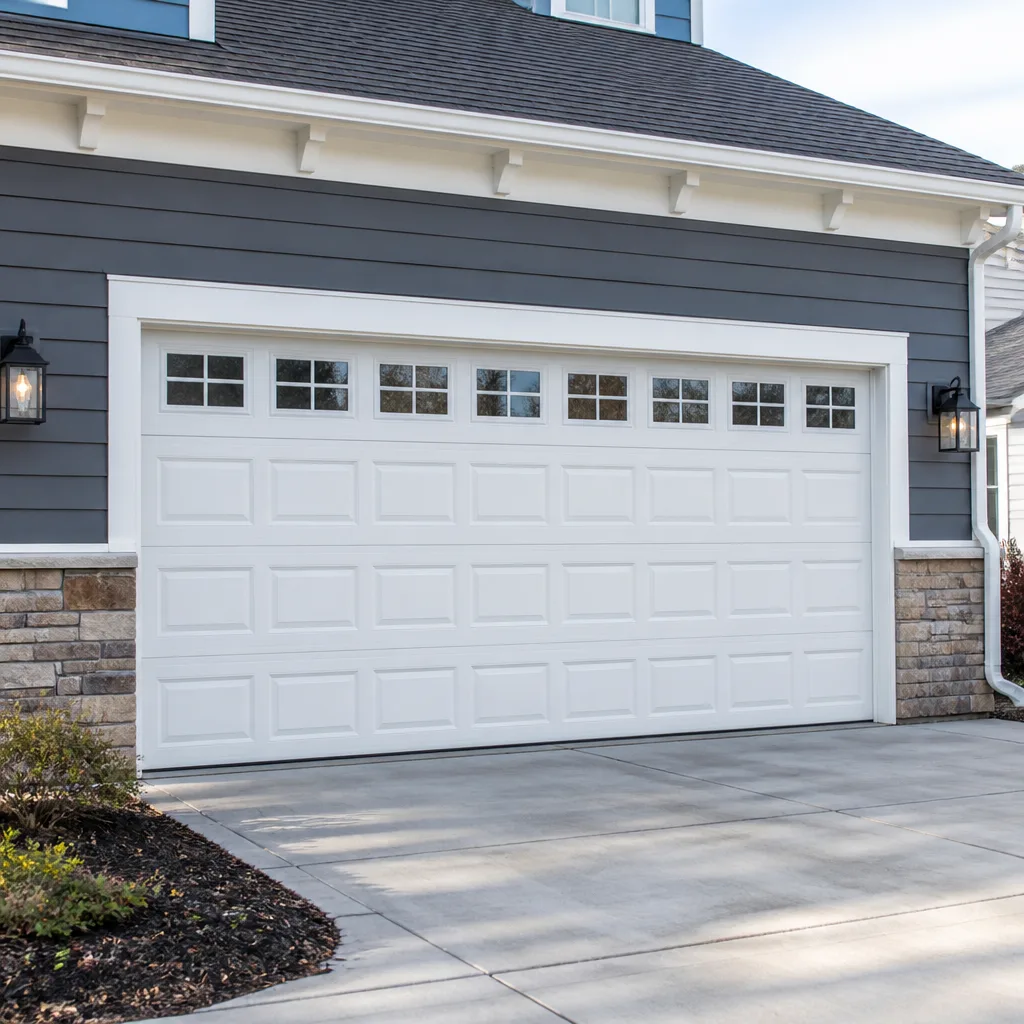
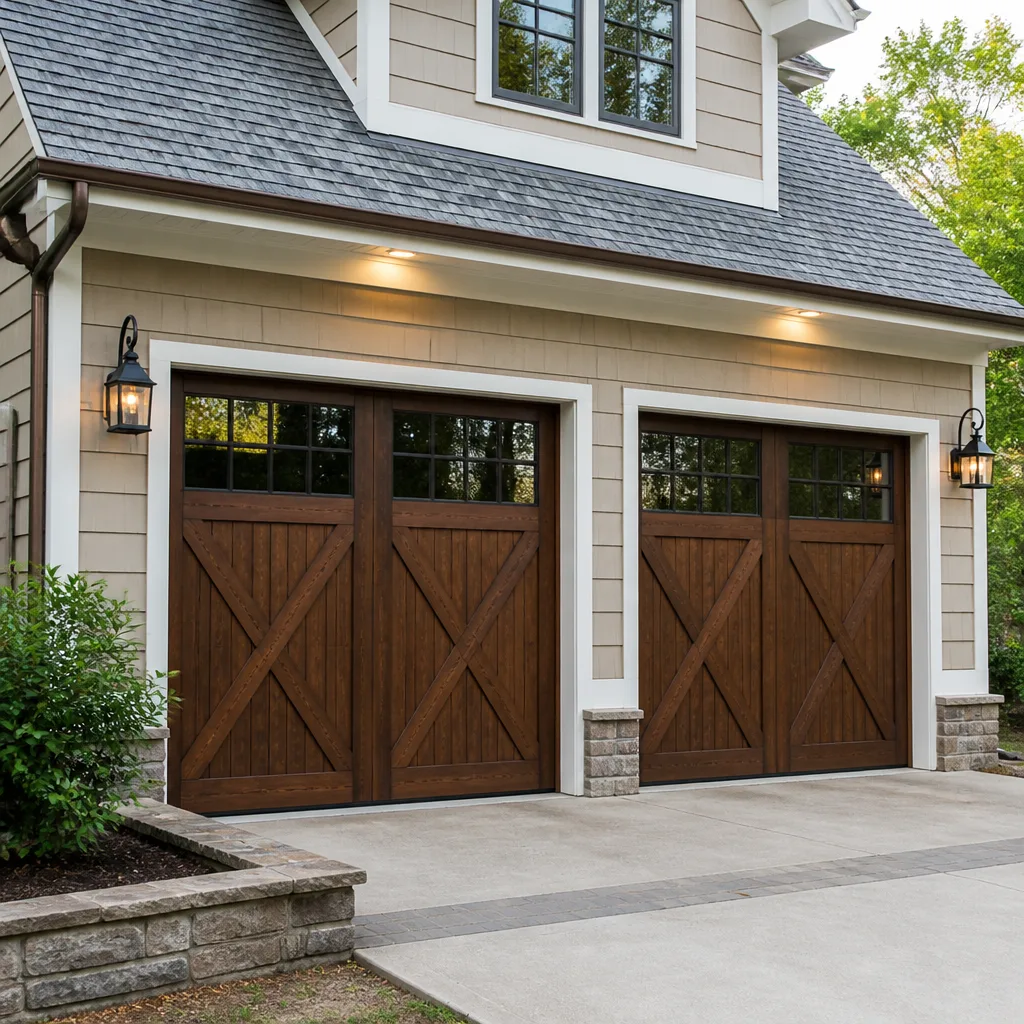
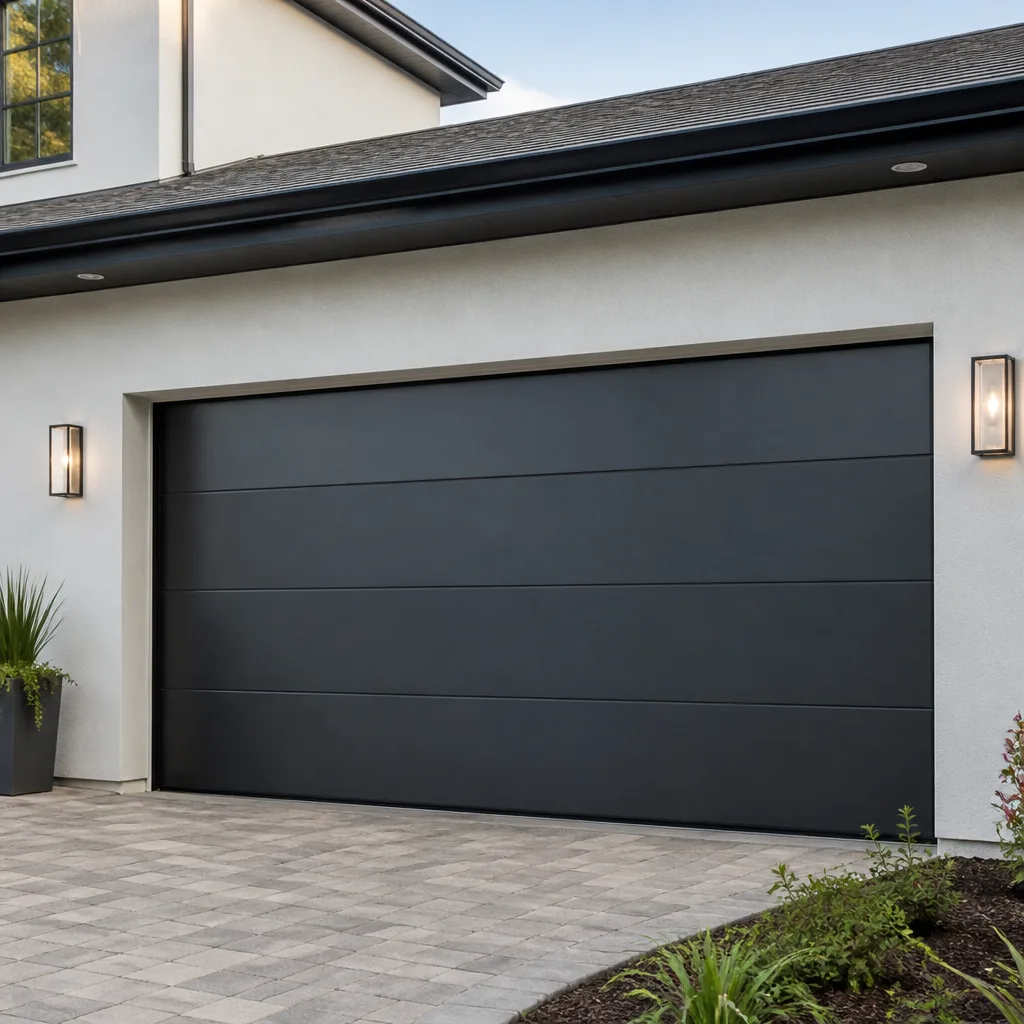
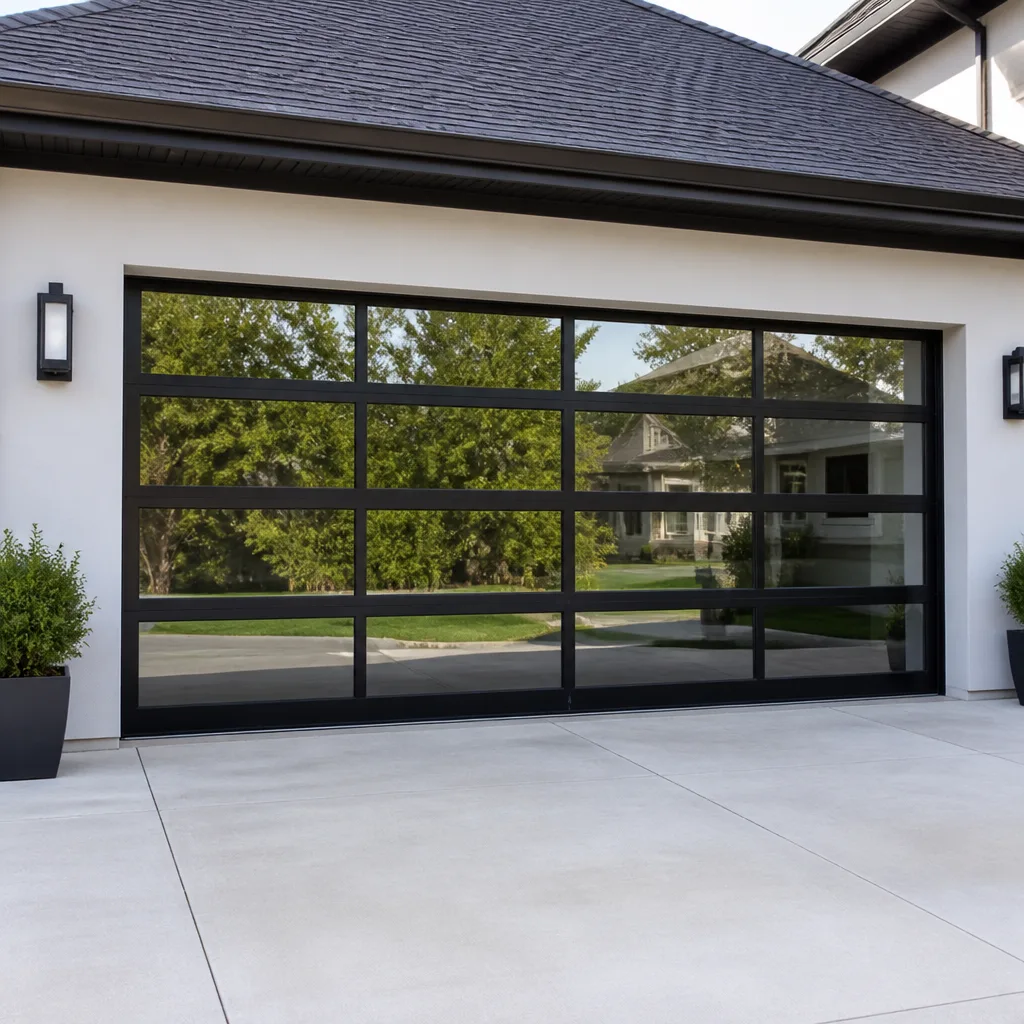
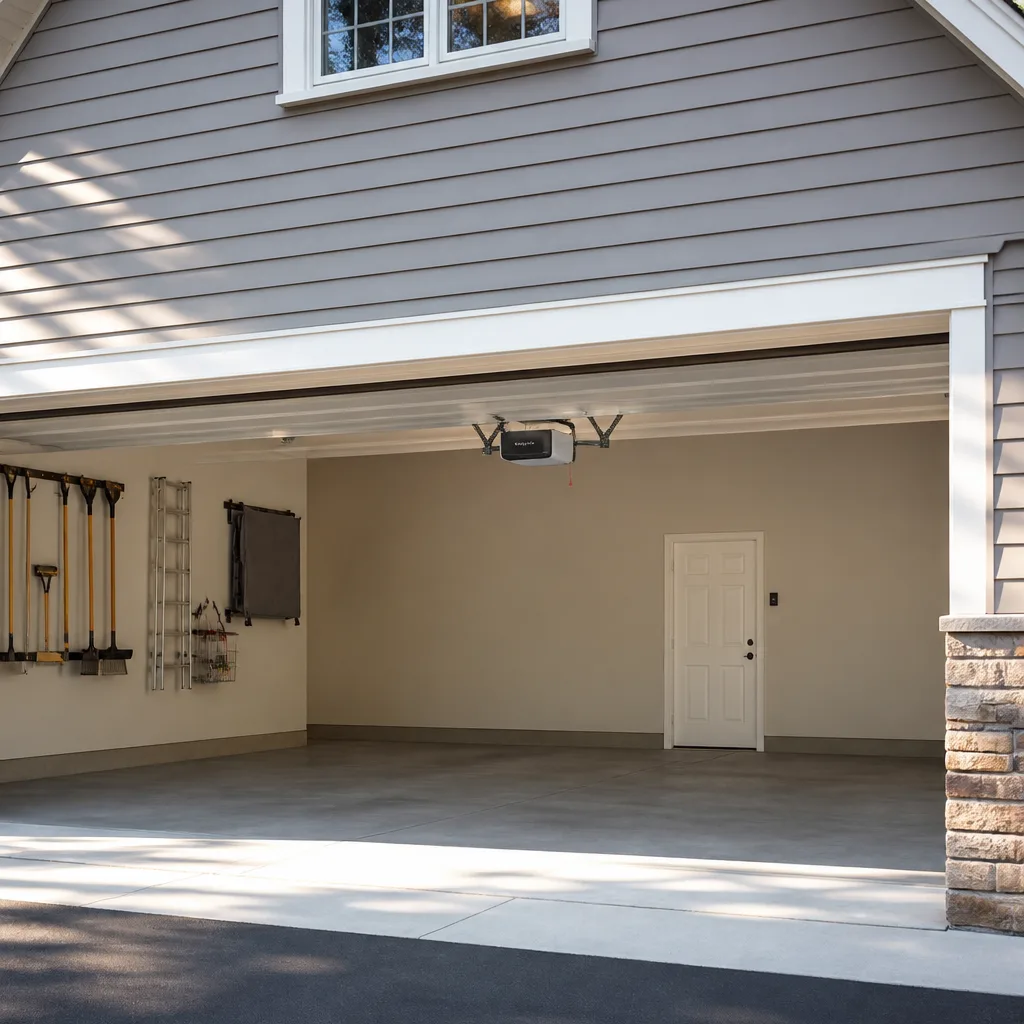
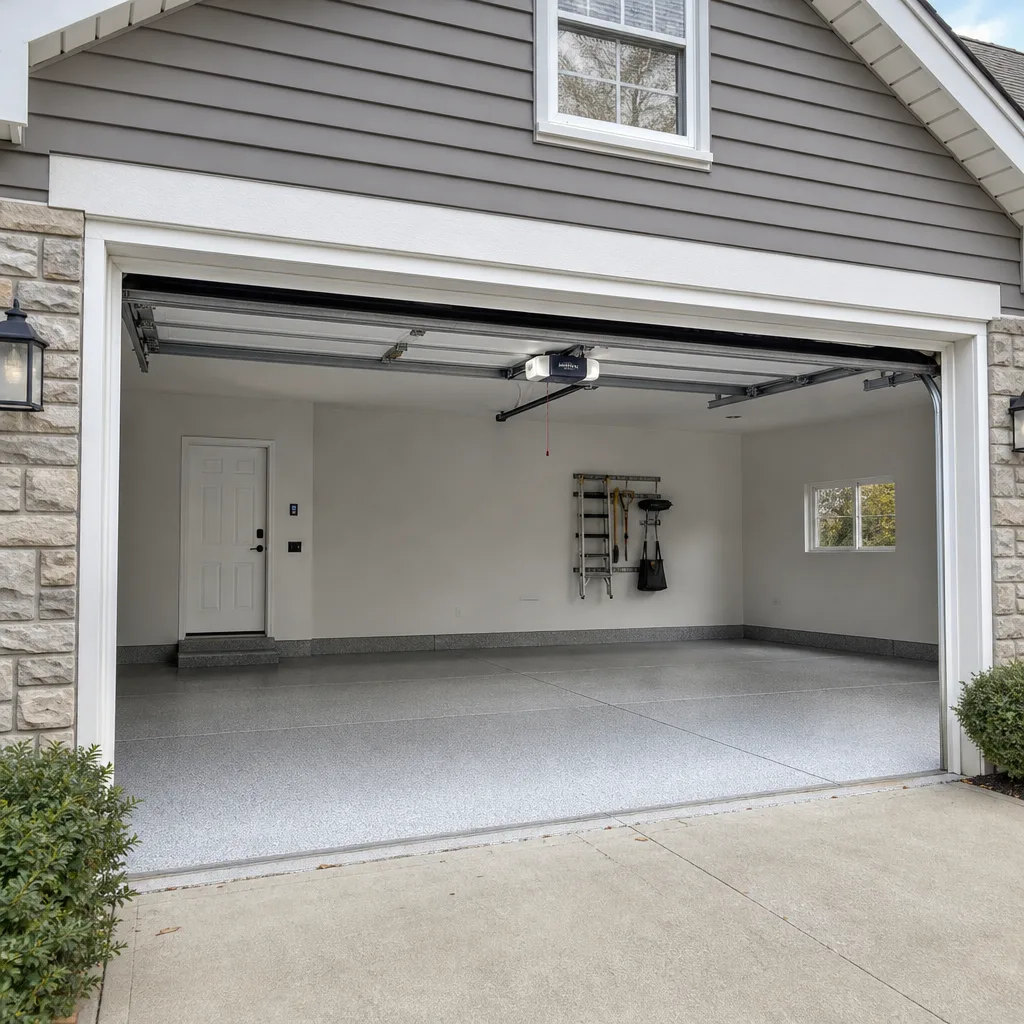
 Before
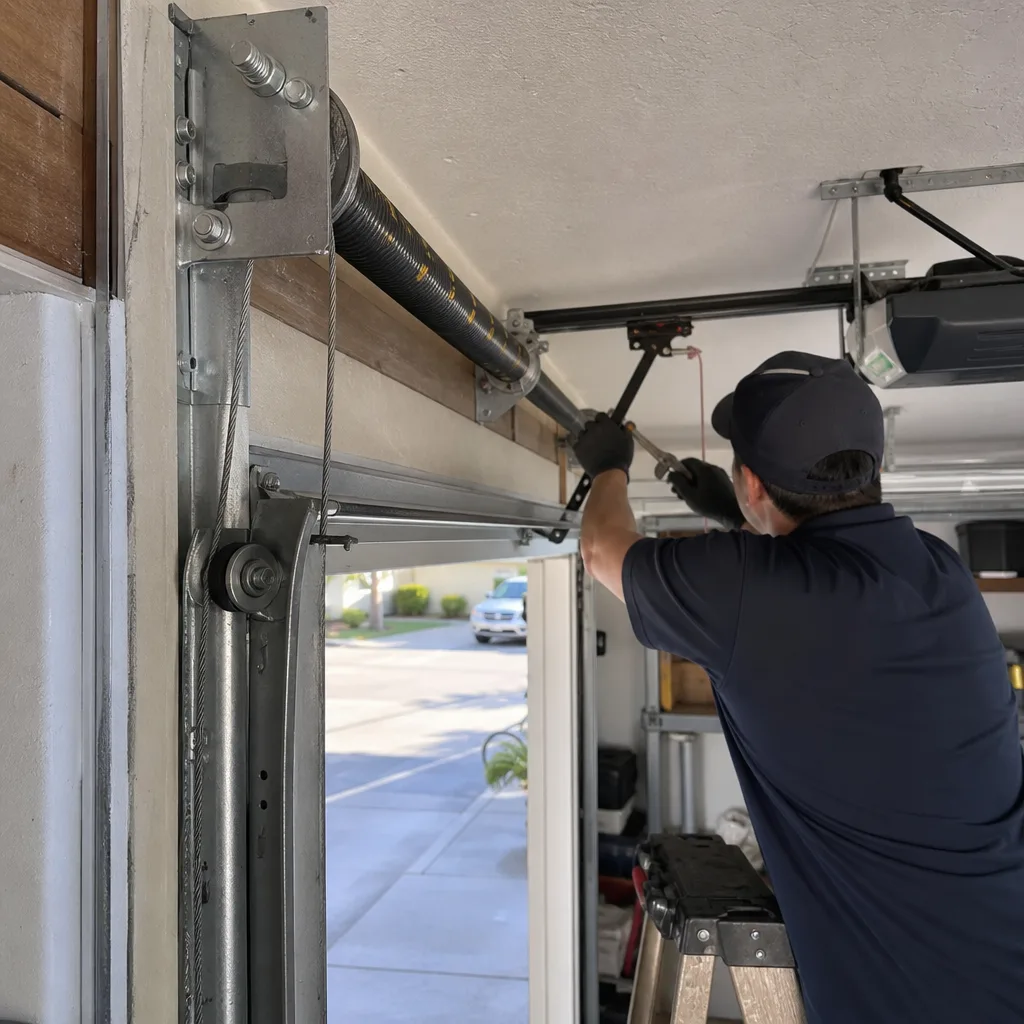 After
After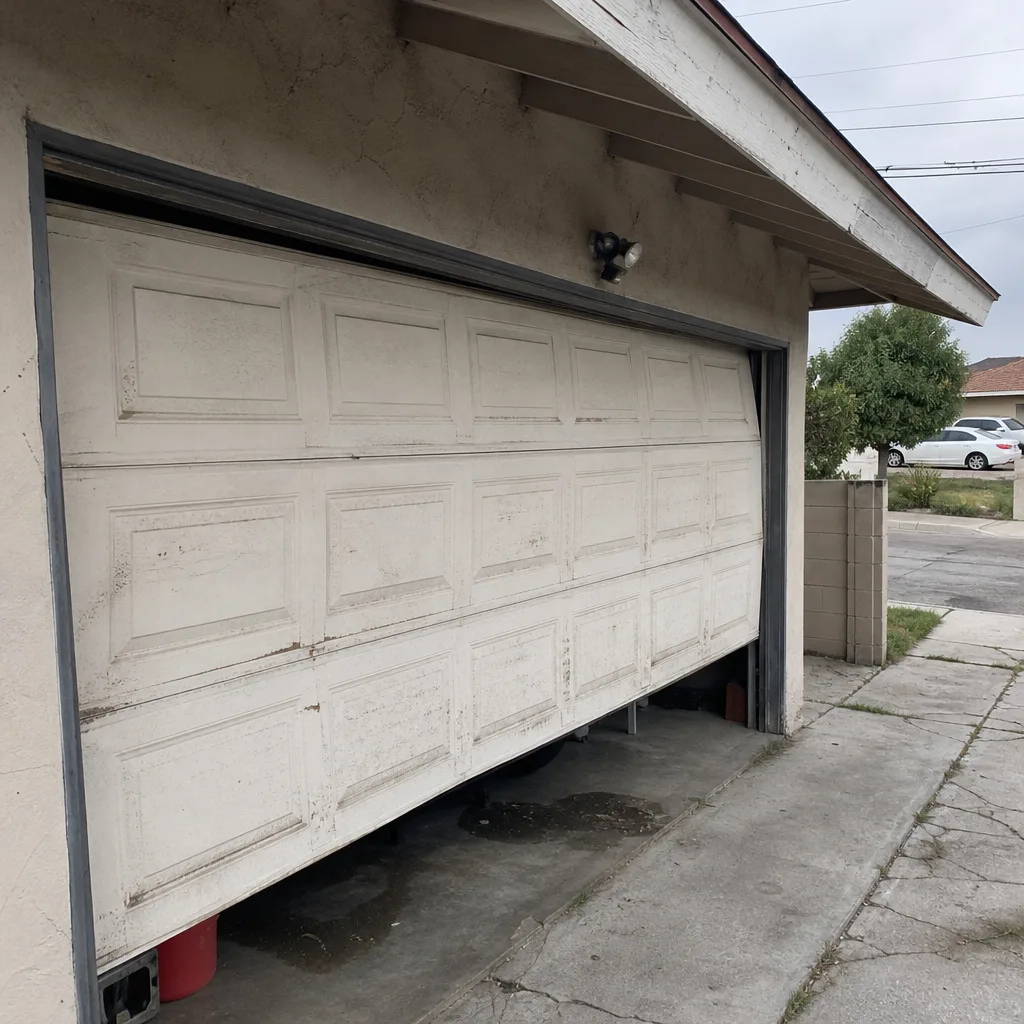 Before
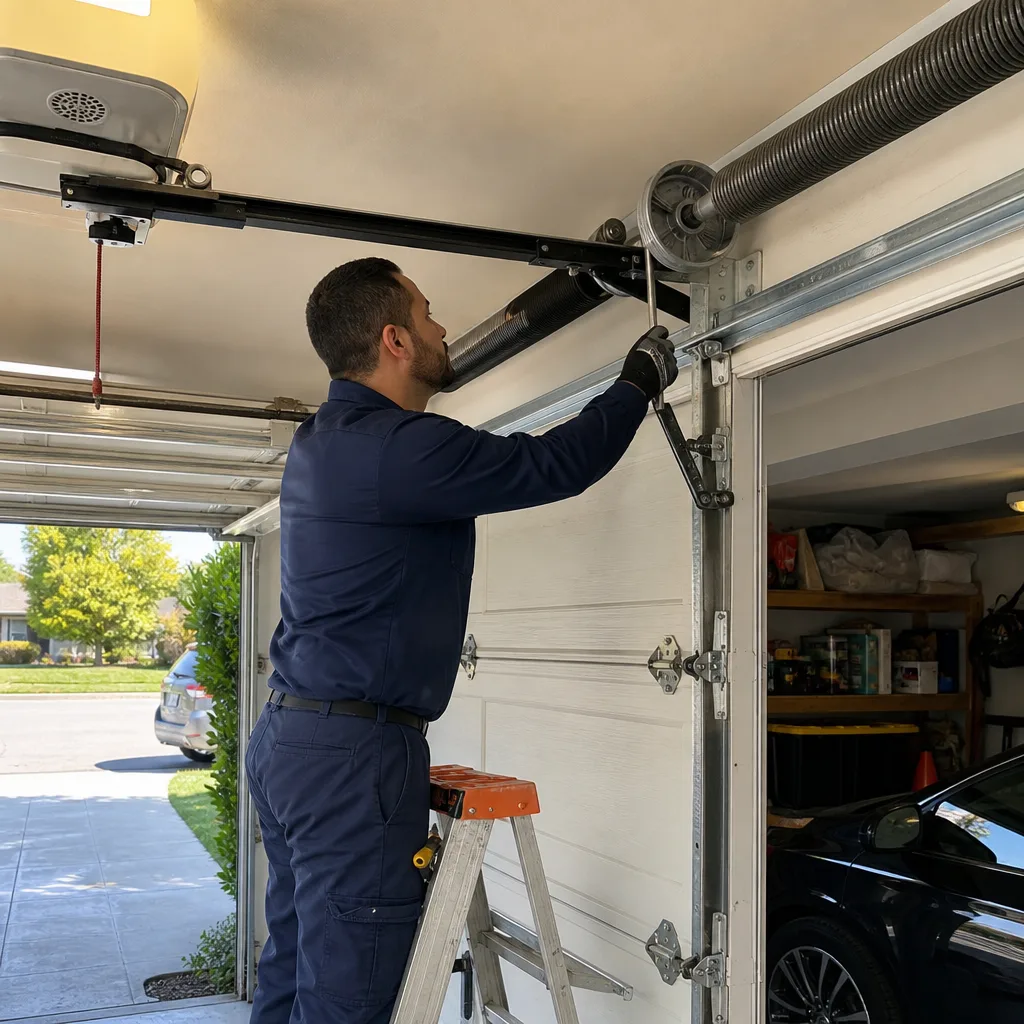 After
After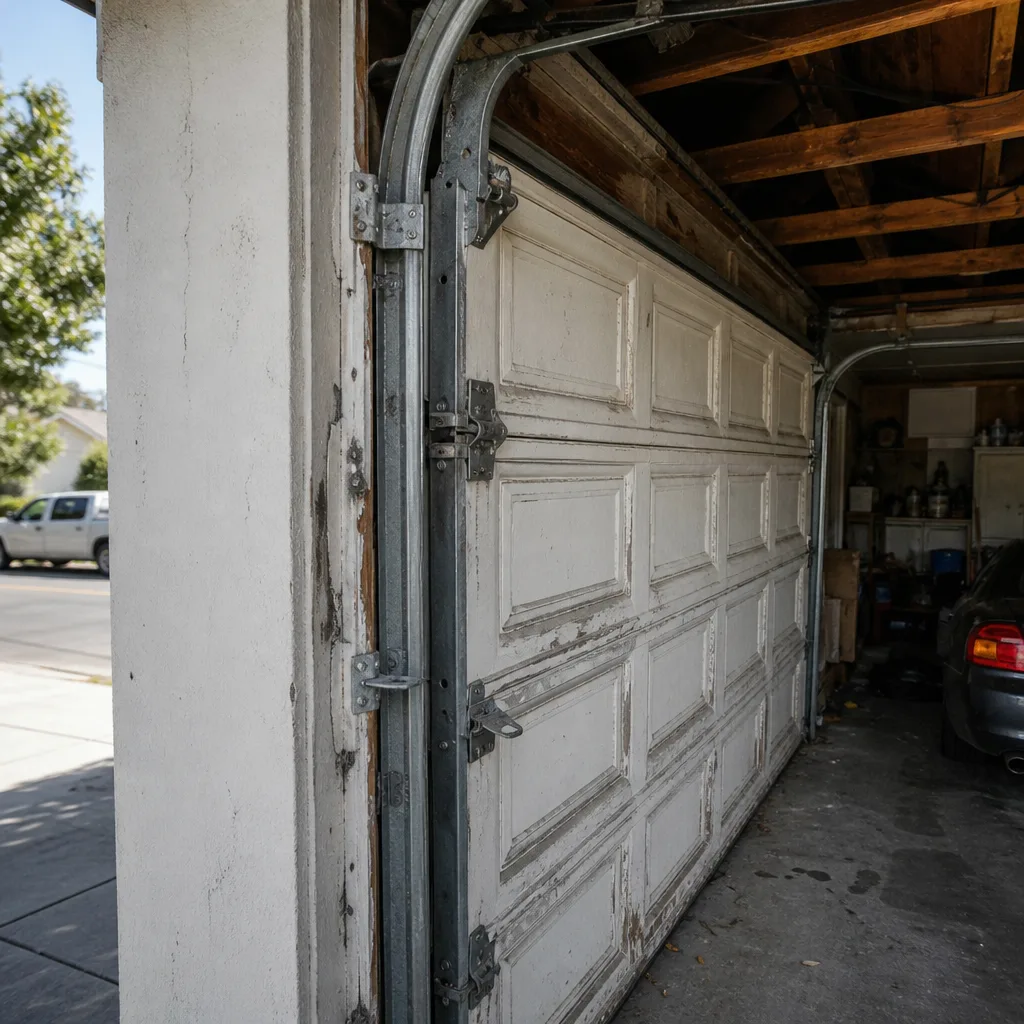 Before
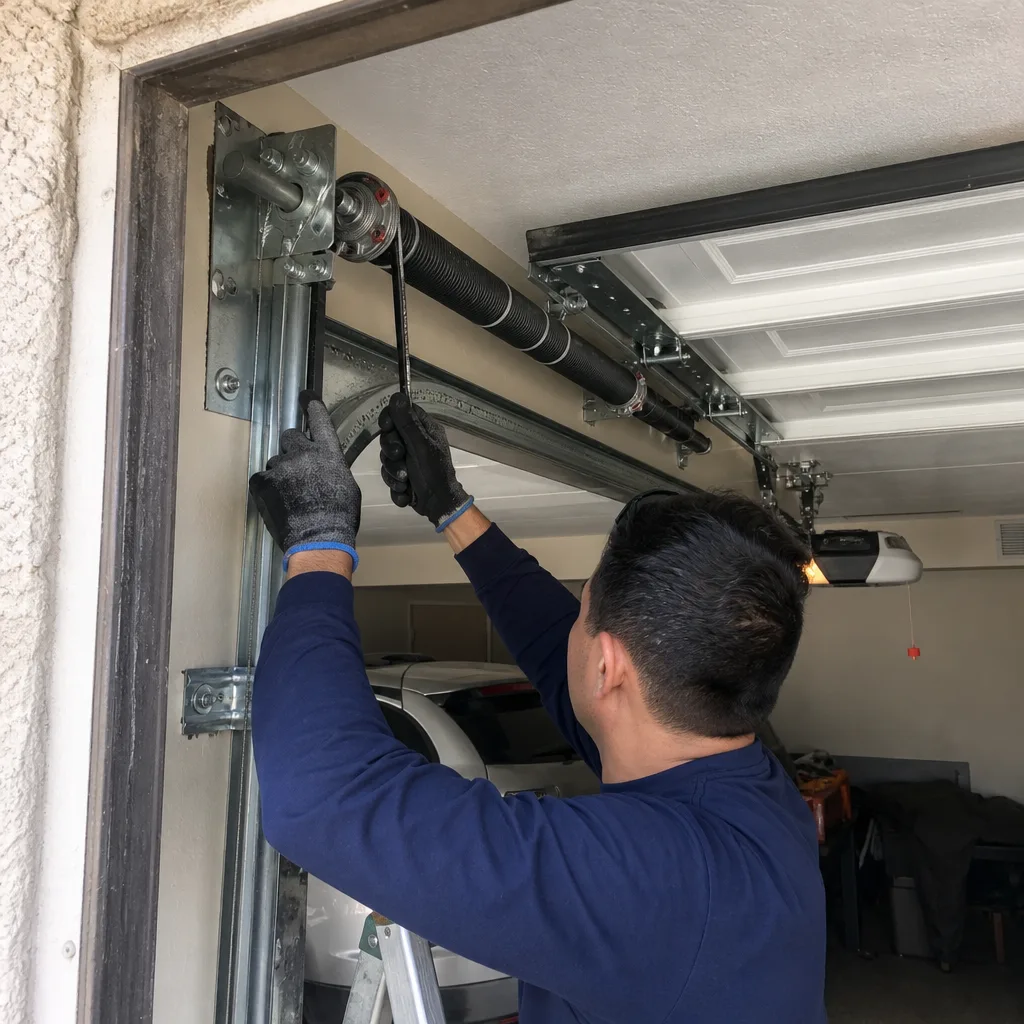 After
AfterThe Complete Garage Door Spring Repair Guide for Los Angeles Homeowners
In Los Angeles, roughly 1 in 3 spring replacements involves a spring that was already the wrong size for the door. It was installed that way to save the original operator money on parts, and it quietly shortens the life of every spring that follows. This guide explains what kind of spring you have, what Garage Door Spring Repair services should cost in Los Angeles, and how to spot the difference between a legitimate recommendation and a padded quote from a cut-rate operator. You’ll learn the math behind spring sizing, why LA’s climate kills springs faster than the manufacturer’s rating suggests, and the questions to ask before anyone touches your door.
Quick Answer
Garage door spring repair in Los Angeles typically costs $180 to $340 for a single spring, including parts and labor, with most jobs completed in about an hour. If one spring has broken, a reputable company will recommend replacing both springs because they wear at the same rate. Marlow Garage Door Repair provides a written price before any work begins and backs every spring repair with the 365-Day Done Right Promise. For more guides & resources, visit our blog.
Table of Contents
- Torsion vs. Extension Springs: What You Have and Why It Matters
- Why Garage Door Springs Break in Los Angeles
- What Garage Door Spring Repair Costs in Los Angeles
- Why Replacing Both Springs Is Math, Not an Upsell
- How to Verify Your Spring Is Sized Correctly: The IPPT Calculation
- How to Spot a Bad Spring Installation
- Common Mistakes to Avoid
- When to Call a Professional
- Frequently Asked Questions
- The Bottom Line
Torsion vs. Extension Springs: What You Have and Why It Matters
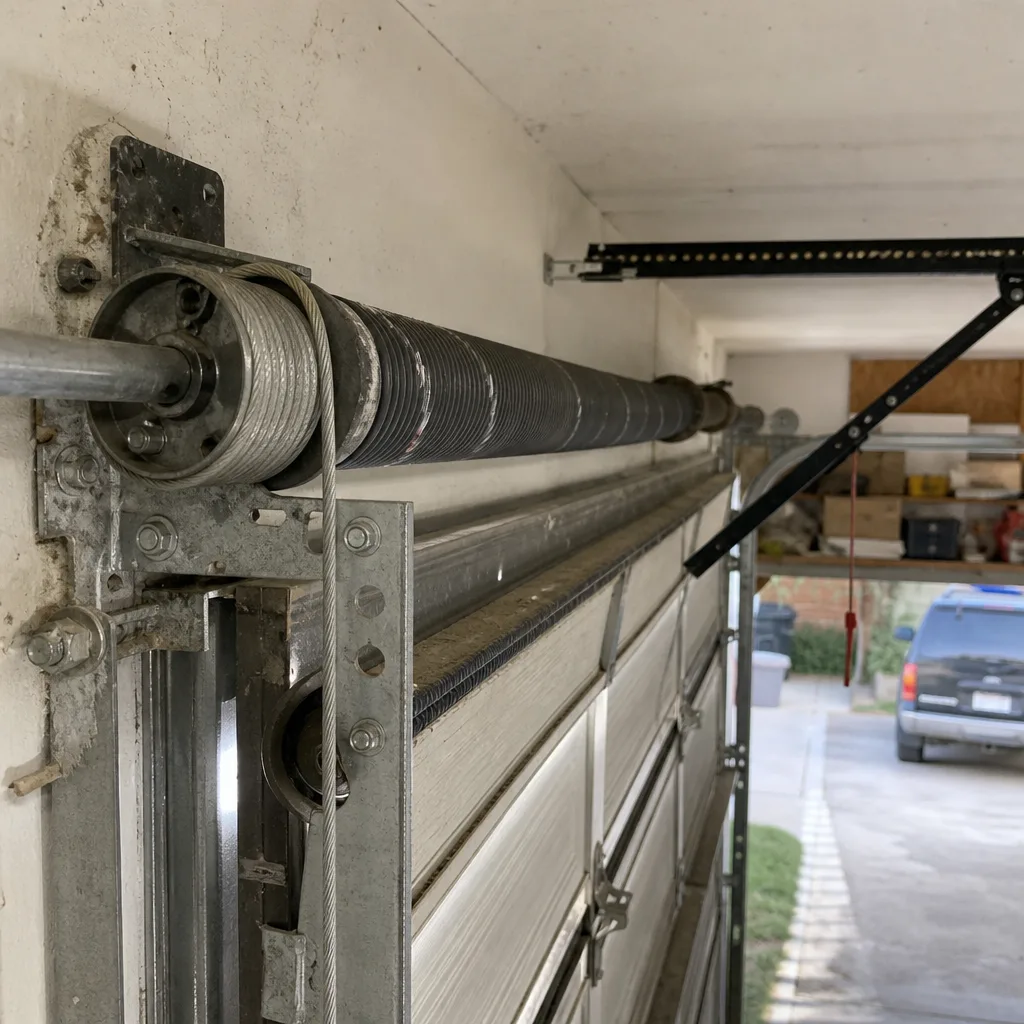
Garage doors in Los Angeles use one of two spring systems, and knowing which one you have tells you a lot about what a repair should cost. A torsion spring is the horizontal coil mounted on a metal shaft directly above the closed door. It’s the heavy-duty option, found on almost every modern home built after 1990, and it does its work by twisting: as the spring winds, it stores torque that lifts the door. An extension spring is a long, thinner coil that runs perpendicular to the door, usually along the upper track on each side. These stretch to provide lift and are common on older homes in neighborhoods like West Adams, Highland Park, and parts of the San Fernando Valley where original 1960s and 1970s hardware is still in service.
The distinction matters for cost and safety. Torsion springs carry a higher parts price because they’re engineered for more cycles and heavier doors. Extension springs cost less up front but wear out faster, and if one snaps without a safety cable running through its center, that coil becomes a projectile. Los Angeles building codes require safety cables on all extension spring installations. If yours doesn’t have them, that’s a repair priority, not a cosmetic issue.
To identify your setup: stand inside the garage and look up. A spring running horizontally across the wall above the door opening is torsion. Two springs running front-to-back along the side tracks are extension. If you’re still unsure, a quick photo and a phone call to our spring repair page can clarify it in under a minute.
Key takeaways:
- Torsion springs sit above the door and twist to lift; extension springs sit along the sides and stretch.
- Torsion springs are the modern standard; extension springs require safety cables by code.
- Spring type directly affects parts pricing and how long the replacement will last.
Why Garage Door Springs Break in Los Angeles
Most garage door springs are rated for 10,000 cycles. A cycle is one open and one close. In a household that opens the door four times daily, that’s roughly seven years of life. But Los Angeles conditions push that number down faster than the manufacturer’s rating predicts.
Start with the temperature swings. The San Fernando Valley regularly hits 95°F or higher in summer, then cools sharply at night. Coastal neighborhoods like Mar Vista and Playa del Rey get morning marine layer moisture that condenses on metal hardware inside uninsulated garages. That moisture, combined with airborne salt near the coast, accelerates corrosion on the spring’s surface. A corroded spring doesn’t just look bad; the pitting creates stress points where the metal fatigues and snaps. In our experience, springs on coastal Los Angeles properties fail noticeably sooner than identical springs installed in dryer inland neighborhoods like Pasadena or Burbank.
Then there’s the overwork factor. A spring sized for a 180-pound door that’s actually lifting 240 pounds of wood, glass, and hardware is working harder with every cycle. That extra strain doesn’t announce itself. The door feels fine for months or years while the spring burns through its cycle life faster than its rating. By the time it breaks, the homeowner assumes normal wear and tear, when the real cause was an undersized spring installed by a previous operator.
Hard water is another overlooked factor. Many LA neighborhoods draw municipal water with high mineral content, and when that water evaporates from laundry, car washing, or a nearby water heater, it leaves residue on exposed metal. Over years, that residue contributes to surface degradation. It’s rarely the sole cause of failure, but it’s a compounding factor we see in older garages throughout Los Angeles.
What Garage Door Spring Repair Costs in Los Angeles
Let’s talk real numbers for the Los Angeles market. A single torsion spring replacement runs $180 to $340 installed, depending on the spring’s size, wire gauge, and cycle rating. Extension spring replacement runs lower, typically $140 to $230 for a pair. Double torsion spring systems on heavier doors, like carriage-style wood doors in Los Feliz or Hancock Park, run $280 to $520 for both springs. These ranges reflect what we see across the metro area, from Santa Monica to Silver Lake to Sherman Oaks.
You’ll see the exact number before we start. That’s not a slogan; it’s how we operate. The written price comes before any wrench turns, and the invoice at the end matches it.
Line Items That Should Appear on Your Invoice
- Spring unit cost: $60 to $180 per spring, based on wire gauge and cycle rating
- Labor: $75 to $160, covering removal, installation, and balancing
- Spring type: torsion or extension, clearly labeled
- Cycle rating: 10,000, 20,000, or 30,000 cycles, stated in writing
- Balance test: verification that the door stays level and runs smoothly after installation
- Warranty: coverage term, stated clearly
Line Items That Should NOT Appear
- Vague “materials” charges without itemization
- “Emergency” surcharges on standard appointments
- “Disposal fees” for the old spring, which weighs a few pounds
- “Shop supplies” percentages calculated at the door
- Charges for a “safety inspection” you didn’t request in advance
For a full breakdown of repair costs beyond springs, see our Garage Door Repair in Los Angeles page.
Why Replacing Both Springs Is Math, Not an Upsell
When one torsion spring snaps, the other is statistically at the end of its life too. Both springs were installed at the same time, lift the same door, and complete the same number of cycles. If one failed at 9,000 open-and-close cycles, the other is at 9,000 cycles on a 10,000-cycle rating. It may have weeks left, or it may fail tomorrow.
Replacing only the broken spring saves $60 to $180 today, but it guarantees a second service call soon. That second visit adds a fresh labor charge, puts you through another morning of a stuck door, and leaves you with a mismatched pair: one new, strong spring working alongside one old, fatigued spring. A mismatched pair strains the newer spring because it absorbs more than its fair share of the load, shortening the life of the part you just paid for.
A reputable tech replaces both springs on a double-spring door. A tech who pushes to replace only one is either trying to look cheaper on the quote or planning to bill you for a second visit when the other fails. Ask directly: “If I replace only one, how many cycles are left on the other, and what does labor cost on the second visit?” The honest answer usually makes replacing both the obvious choice.
How to Verify Your Spring Is Sized Correctly: The IPPT Calculation
The single most important number in a spring repair isn’t the price; it’s the IPPT, or inch-pounds per turn. This number tells you how much lifting force the spring delivers for every full rotation. A correctly sized torsion spring produces an IPPT that matches the weight of your door divided by the number of springs doing the work.
Here’s the calculation in plain language:
- Weigh the door. A professional uses a scale under the door in the lowered position. If you don’t have a scale, you can estimate: a typical double-car steel door weighs 200 to 300 pounds; a solid wood door can run 400 or more.
- Count the springs. Divide the door weight by the number of springs. A 250-pound door with one spring needs 250 inch-pounds of lift. With two springs, each spring contributes 125 inch-pounds.
- Check the spring’s IPPT rating. This number is stamped or printed on the spring wire, or it’s calculated from the wire diameter, spring diameter, and length using the manufacturer’s formula.
- Match the numbers. The spring’s IPPT should equal the load assigned to it, plus a small allowance for friction.
If a previous installer used a spring rated for 100 inch-pounds on a load that needs 150, that spring is overworking from day one. It’s not a matter of if it fails early, but when. That’s why, before any spring goes on your door in Los Angeles, the right move is to verify the calculation, not just slap on whatever is on the truck. We calculate IPPT on every spring job we do, and we’re happy to walk you through the numbers when we’re at your door.
How to Spot a Bad Spring Installation
Think of this as a checklist for inspecting work done by a previous company. If any of these signs are present, your spring likely wasn’t installed correctly, and you’ll want it evaluated before it fails again.
- The door doesn’t stay put when stopped halfway. A properly balanced door holds its position at the midpoint without drifting up or down. If it creeps either direction, the spring tension is wrong.
- One side of the door lifts higher than the other. This indicates uneven spring tension, which forces the opener motor to work harder and wears the hardware unevenly.
- The spring appears to have gaps between coils or looks stretched. Torsion springs should sit tight and uniform. Visible gaps or uneven coils suggest the spring was wound incorrectly.
- The door slams when it closes, even with the opener connected. That’s a sign the spring isn’t providing enough counterbalance, and the opener is running downhill.
- The cables show fraying or slack. Springs and cables work together. A bad spring install often leaves the cables sitting loose or rubbing against the track. For more on cable health, see our Garage Door Cable Repair in Los Angeles page.
These issues compound quickly. A door that’s even slightly out of balance puts strain on the opener motor, the rollers, and the hinges, turning a $250 spring problem into a $700 repair across multiple components. Catching these signs early in Los Angeles, where garage doors see daily use, keeps a small fix from becoming a big one. For a deeper look at local factors, see The Complete Guide to Garage Door in Los Angeles.
Common Mistakes to Avoid
- Accepting a quote without seeing the spring’s cycle rating in writing. A 10,000-cycle spring costs less than a 20,000-cycle spring, and some operators install the cheaper part without telling you. Ask for the rating on the quote.
- Replacing only the broken spring on a double-spring door. This saves a small amount now and guarantees a second labor charge shortly after. Replace both, every time.
- Using the door opener motor to muscle a broken spring instead of calling for repair. The opener is not designed to lift a door without spring assistance. Forcing it burns out the motor.
- Skipping the balance test after installation. A spring can be installed and still leave the door out of balance. Insist on a demonstration that the door holds steady at the halfway point.
- Hiring the cheapest quote without checking the spring size. Undersized springs are the classic way to underbid a job. The price looks great, but the spring fails in two years instead of seven.
- Ignoring extension spring safety cables. If you have extension springs and no safety cable running through each one, a snap can send metal flying across the garage. This is a code requirement in Los Angeles, not an optional add-on.
When to Call a Professional
High-tension torsion springs store enormous energy, and when they release unexpectedly, they can cause serious injury. This is genuinely dangerous work, not a weekend project. Call a professional if you hear a loud bang from the garage, if the door feels suddenly heavy when you pull the manual release, or if you see a visible gap in the spring coil. Also call before the door gets stuck entirely at an angle, which damages tracks and pulleys.
Marlow Garage Door Repair offers free estimates in Los Angeles, including spring inspection and a written price before any work begins. Call (512) 883-4374 or book online in seconds. We’re certified to service LiftMaster, Chamberlain, Genie, Clopay, Amarr, Wayne Dalton, Craftsman, and Raynor doors, so the tech who arrives already knows your specific hardware. Jaylen Ross and our team serve homeowners across Los Angeles, from the Westside to the Valley to Northeast LA.
Frequently Asked Questions
Spring repair in Los Angeles runs $180 to $340 for a single torsion spring and $140 to $230 for a pair of extension springs, with double torsion systems on heavy wood doors reaching $520. You’ll receive a written price before any work starts, so the final invoice matches the quote. Call (512) 883-4374 for an exact number on your door.
Yes, most spring replacements are completed the same day you call. Spring repairs are single-visit jobs, typically finished in about an hour once the tech arrives. Marlow Garage Door Repair gives you a live arrival window you can track, so you’re not sitting through a four-hour wait. Call (512) 883-4374 or book online.
Yes. Both springs were installed together and wear at the same rate. If one just failed, the other is near the end of its cycle life, and replacing only one leaves you with a mismatched pair that shortens the life of the new spring. A second service call costs more than replacing both now.
The most common cause in Los Angeles is an undersized spring: one rated for a lighter door than it’s actually lifting, installed to save money on a previous job. Coastal moisture and Valley heat swings also reduce spring life by accelerating corrosion and cycle fatigue. A correctly sized spring on a standard steel door should last seven to nine years.
The 365-Day Done Right Promise covers every spring repair for a full year in writing. If the spring fails or the repair isn’t right within 365 days, we return and make it right at no charge. It’s a written guarantee on the invoice, not fine print.
Check the IPPT: the spring’s inch-pounds per turn should match the door’s weight divided by the number of springs. A professional uses a scale to weigh the door, then installs a spring rated for that exact load. If a previous spring failed early or the door doesn’t hold steady when stopped halfway, the sizing was likely wrong. Marlow Garage Door Repair calculates IPPT on every spring job in Los Angeles, and we’ll show you the numbers on site.
The Bottom Line
Garage door springs in Los Angeles fail for three main reasons: corrosion from coastal air and Valley temperature swings, normal cycle fatigue, and incorrect sizing from a previous cut-rate installation. Replacing a spring costs $180 to $340 in most cases, and the job should include both springs, a balance test, and a written price before work starts. The cheapest quote is usually cheap because it uses an undersized spring, which fails early and costs more over time. For Los Angeles homeowners, the smart fix is a correctly sized spring installed by a company that puts its price and its guarantee in writing. Call (512) 883-4374 for a free estimate from Marlow Garage Door Repair, or visit our Marlow Garage Door Repair home page to book online without a phone call.
Written by Jaylen Ross, Owner at Marlow Garage Door Repair, serving Los Angeles since 2002.