
Last updated October 9, 2026
Full 25-point door and opener safety check with every visit - springs, cables, rollers, tracks, and your LiftMaster or Chamberlain opener included
You get a price before we start. It does not change when the truck arrives.
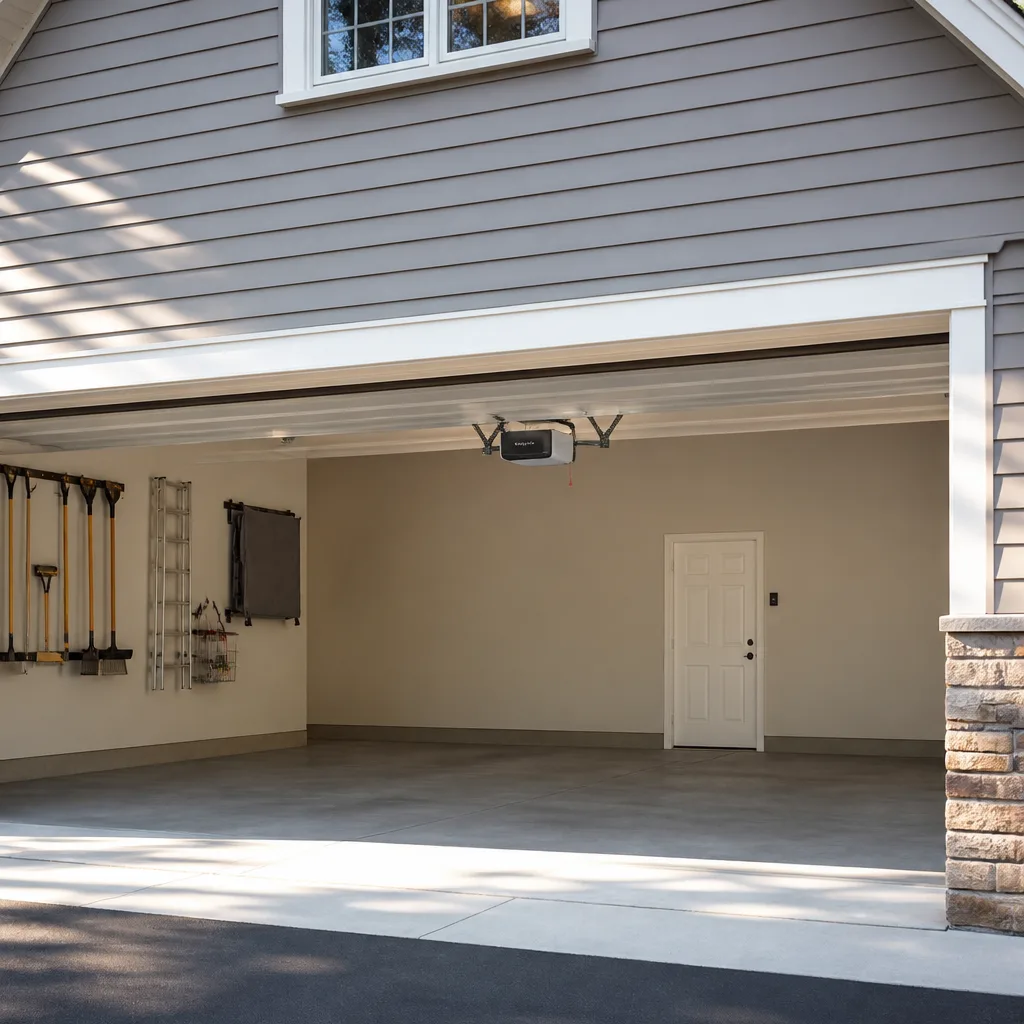
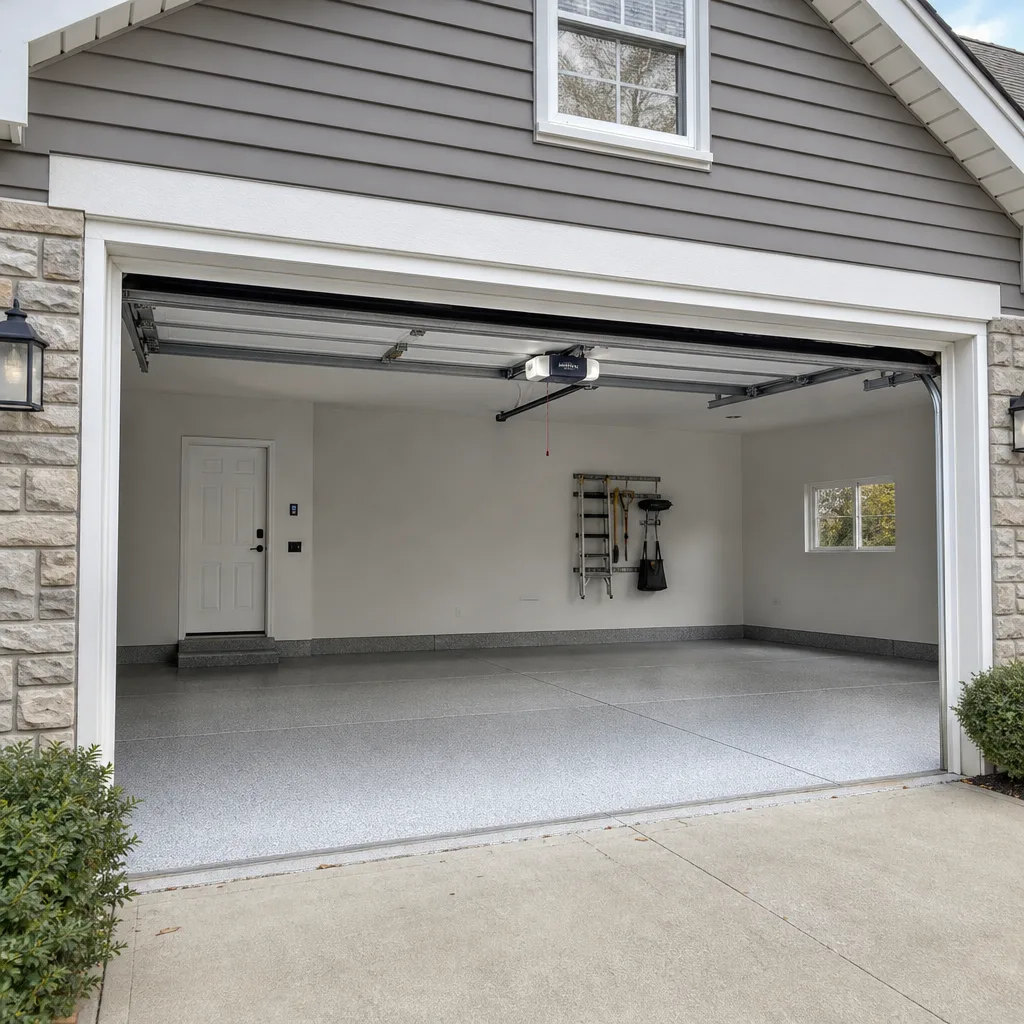
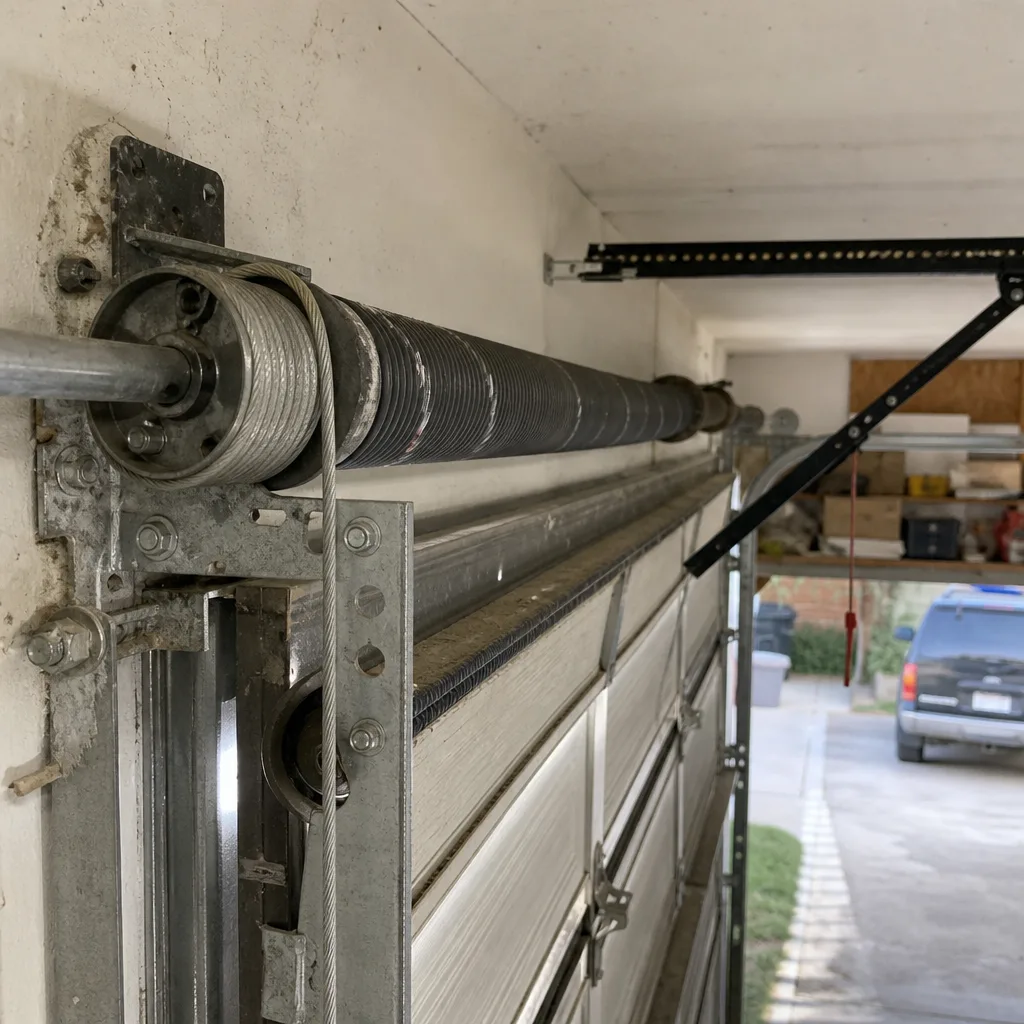 Before
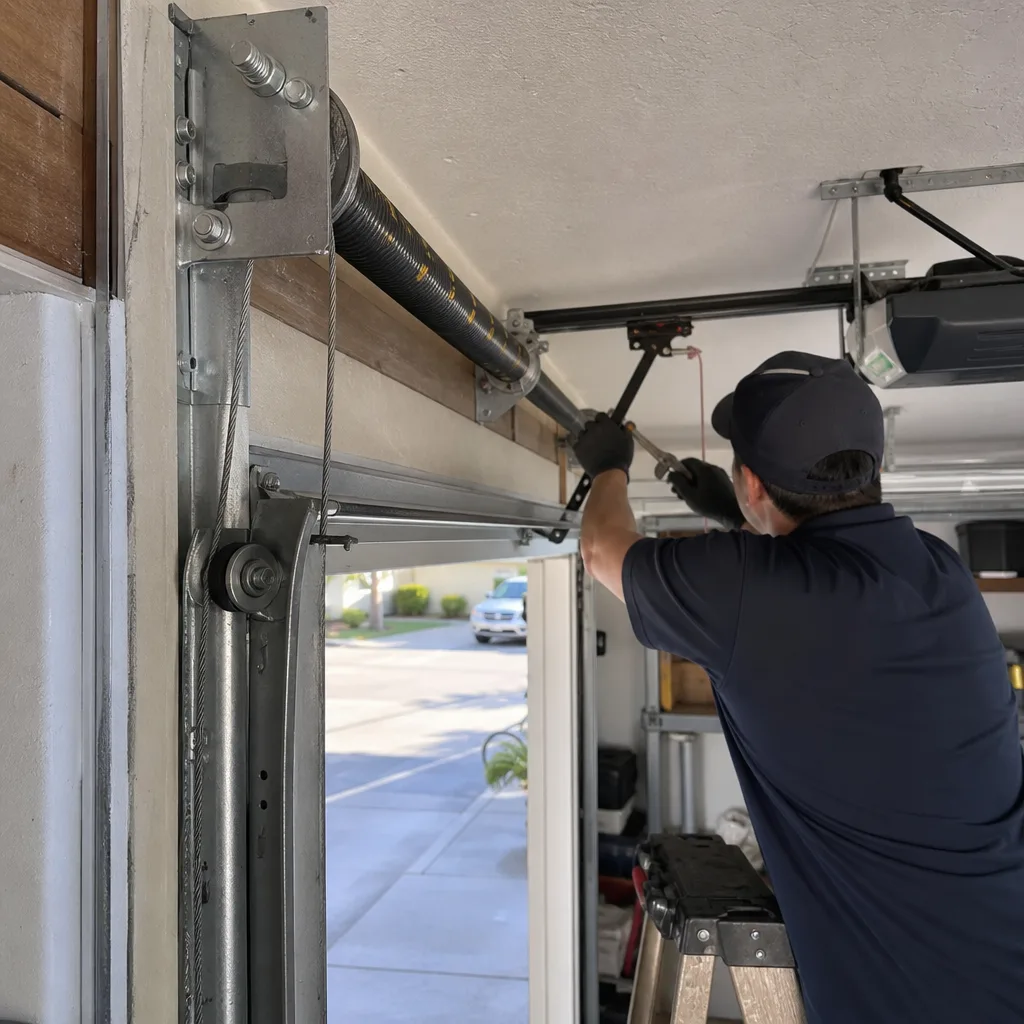 After
After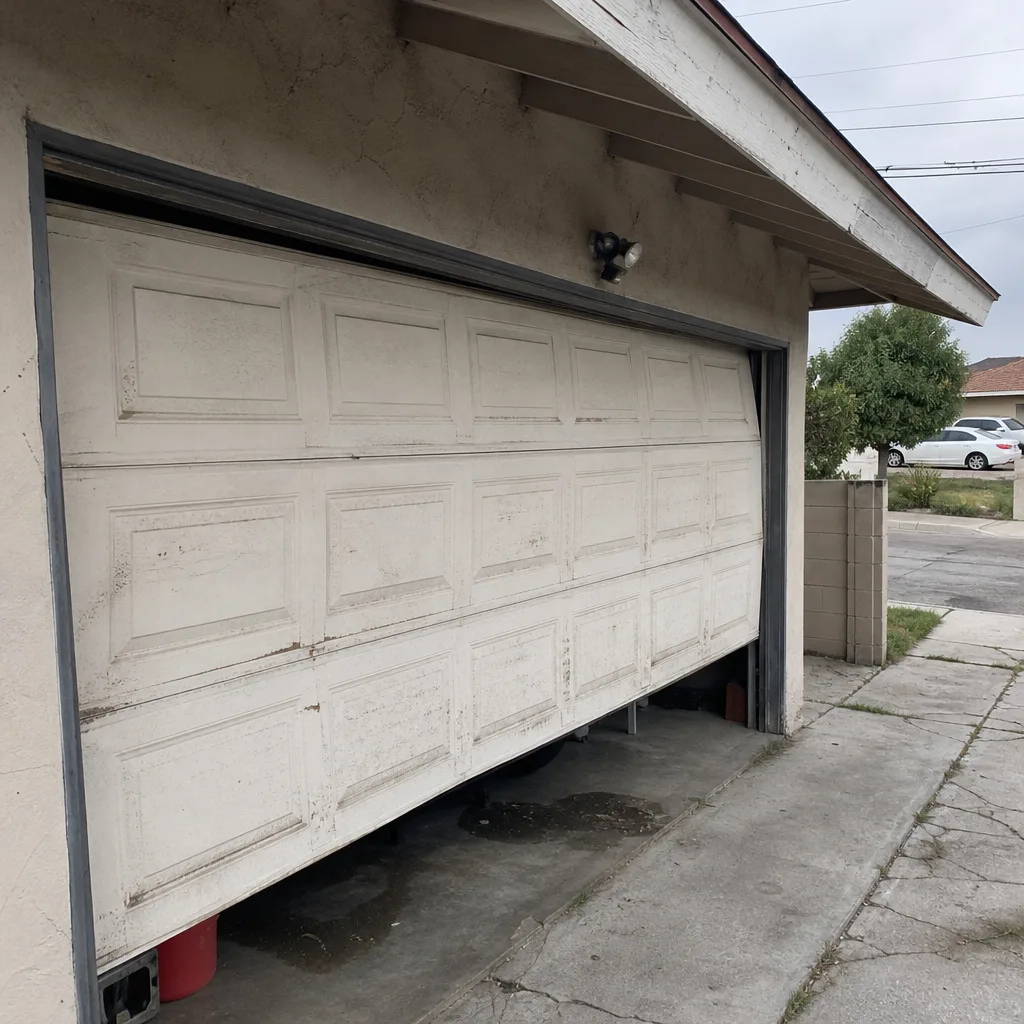 Before
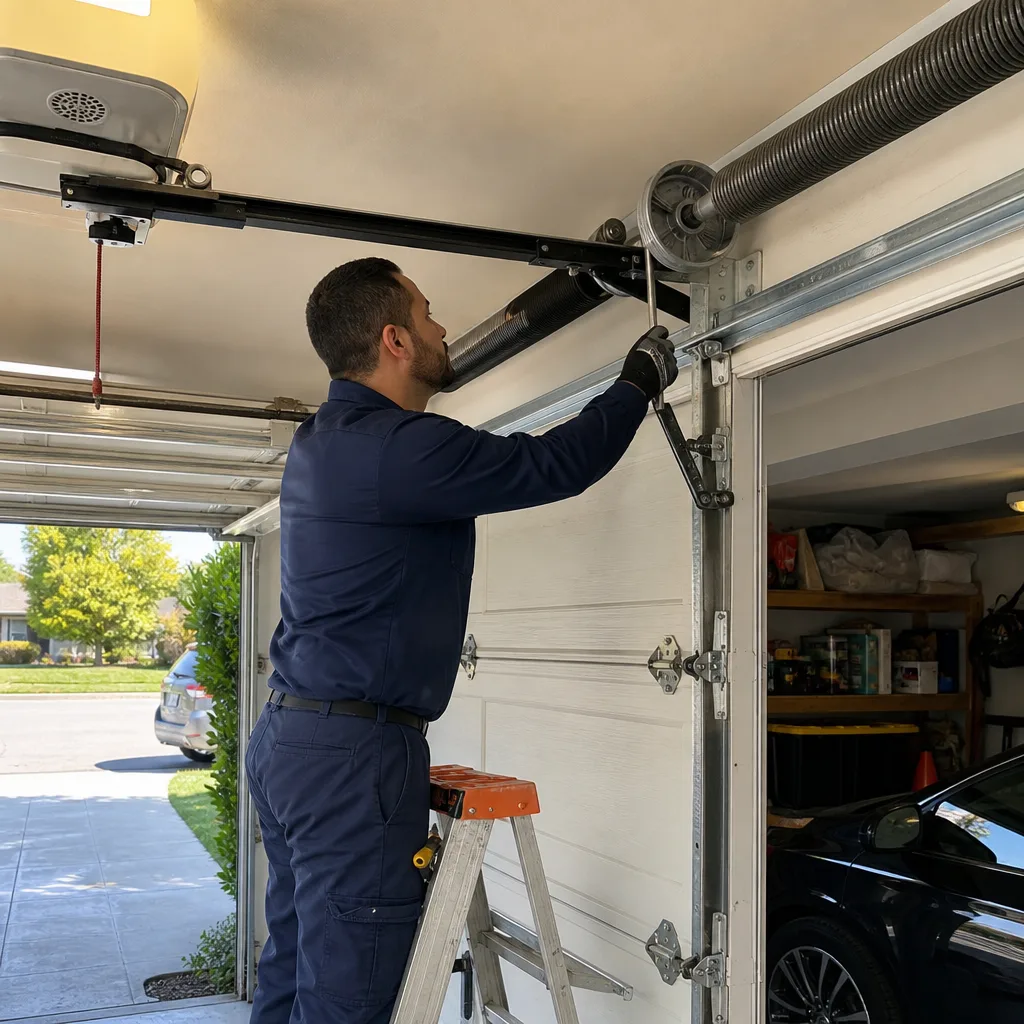 After
After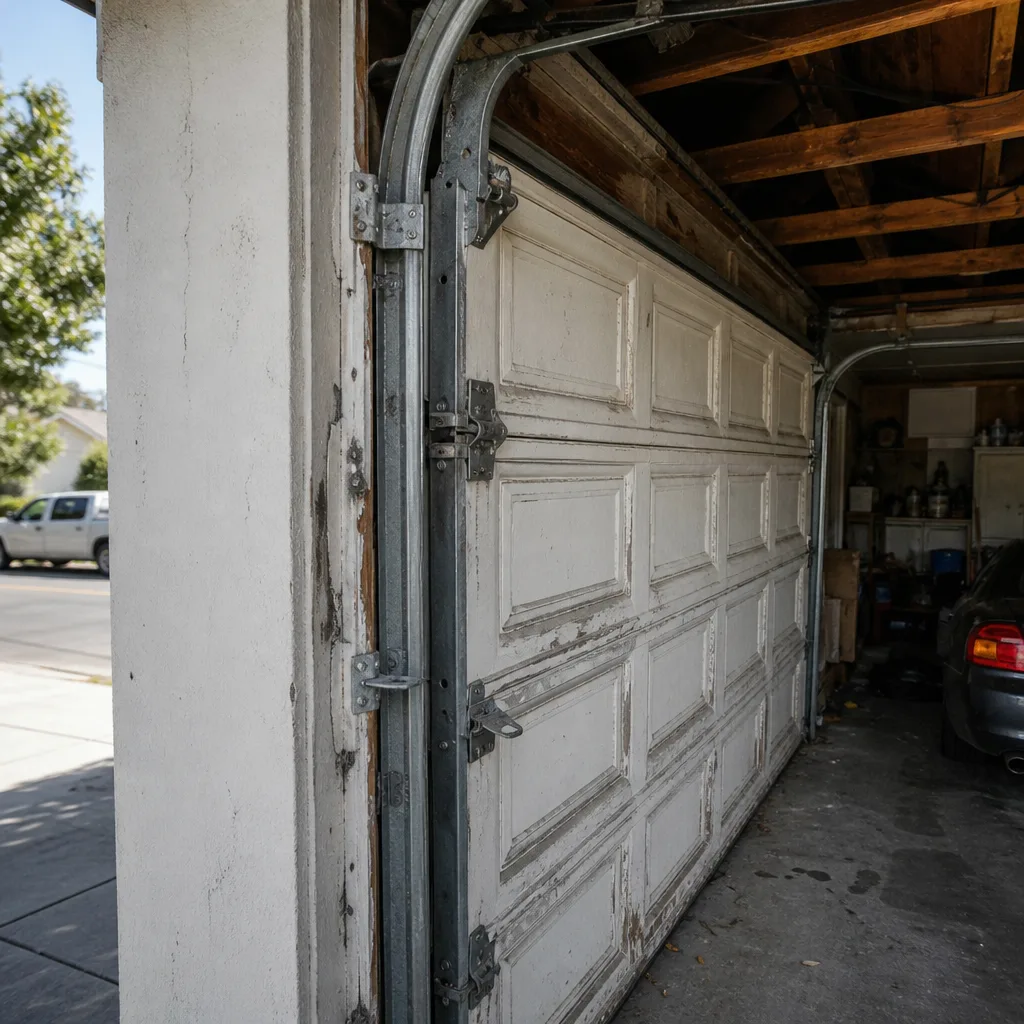 Before
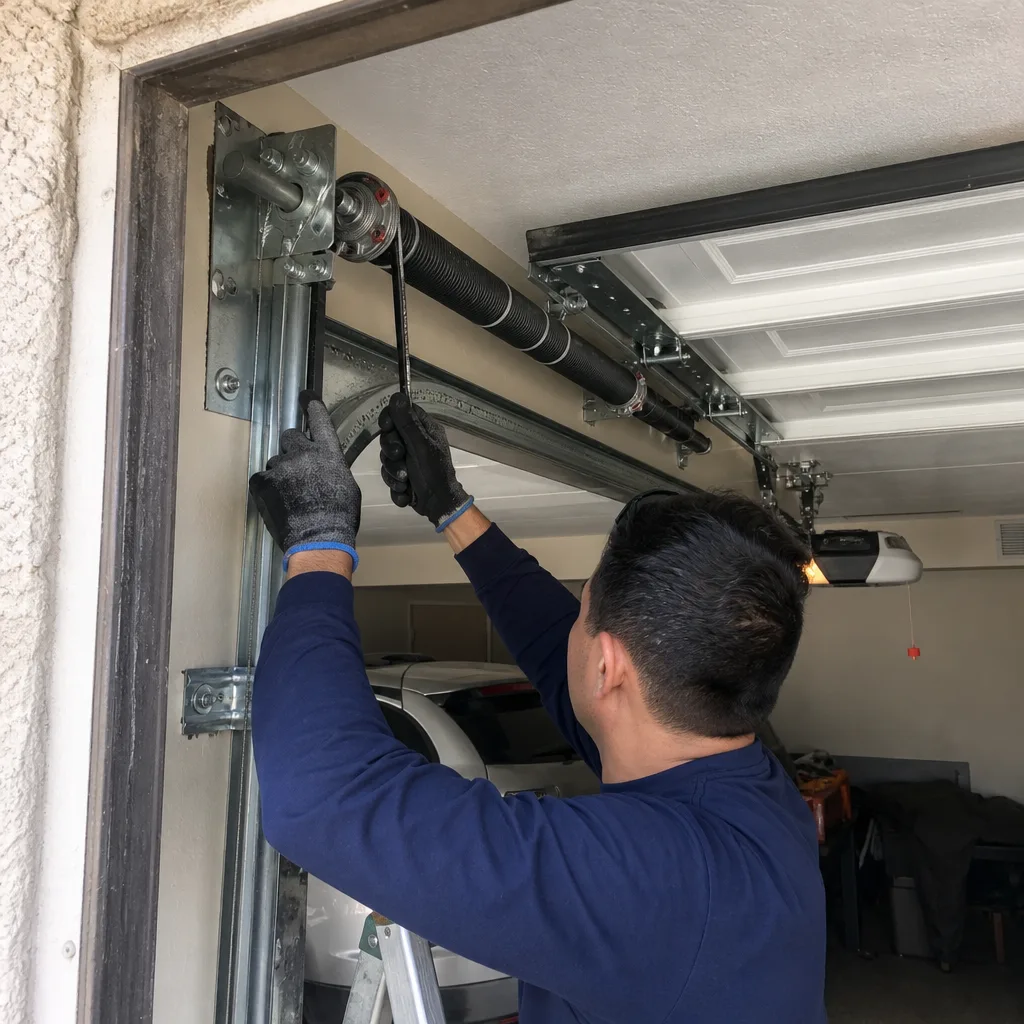 After
AfterGarage Door Cable Repair Maintenance Schedule: What to Do and When
Lubricating your cables every month when you only use your garage twice a day is like changing your oil every 1,000 miles. You’re not helping the door. You’re just busy. The honest truth about garage door cables is that they don’t fail from neglect alone. They fail from a combination of cycle count, environmental stress, and the kind of small problems that hide in plain sight until a strand snaps and the door slams sideways. This guide gives you a maintenance schedule that follows how you actually use your door in Los Angeles, not a generic calendar someone made up in a boardroom. For professional help, see our Garage Door Cable Repair services.
What you’ll learn: how to estimate your door’s actual wear, which components to inspect versus lubricate versus leave alone, the two Los Angeles seasons that matter most, what actually voids a cable warranty, what documentation you need if a warranty claim ever happens, and Garage Door Cable Repair Warning Signs Every Homeowner Should Know.
Quick Answer
Inspect your garage door cables every 6 months (spring and fall in Los Angeles), lubricate the cable drums and pulleys once a year with a dry silicone spray, and plan on cable replacement every 7 to 10 years or roughly 10,000 to 15,000 cycles, whichever comes first. More specific guidance: doors used 4+ cycles daily (typical for LA households with multiple drivers) should move inspections up to every 4 months.
Table of Contents
- Build a Cycle-Based Schedule, Not a Calendar One
- Inspect vs. Lubricate vs. Replace: Know Which Is Which
- What Needs What: A Component-by-Component Breakdown
- The 10-Point Seasonal Check for Los Angeles Conditions
- What Actually Voids a Cable Warranty
- Your Printable-Style Inspection Log
- Common Mistakes to Avoid
- When to Call a Professional
Build a Cycle-Based Schedule, Not a Calendar One
A cycle is one full open-and-close. That’s the unit manufacturers use when they rate cable lifespan, because it’s the only number that reflects actual stress on the steel strands. A cable on a door that opens 6 times a day in a busy Los Angeles household wears twice as fast as one on a door that opens 3 times a day in a single-driver home. Monthly visits to the garage door don’t capture that difference.
Here’s how to estimate your annual cycles:
- Count your cycles for one full week. Include every exit and every return. Don’t guess. Actually count for 7 days.
- Multiply by 52. That’s your rough annual cycle count.
- Apply this schedule:
- Under 3,000 cycles per year (roughly 8 per day): inspect every 6 months, lubricate drums and pulleys once a year, plan cable replacement around year 10.
- 3,000 to 5,000 cycles per year (8 to 14 per day, common for LA families with two working adults and teens): inspect every 4 months, lubricate drums and pulleys every 6 months, plan replacement around years 7 to 8.
- Over 5,000 cycles per year (14+ per day, common for homes with a home office, multiple drivers, or a gym in the garage): inspect every 3 months, lubricate drums and pulleys every 4 months, and have a technician check cable tension at least once a year. Replacement often comes at year 5 to 7.
In our experience across Los Angeles, the biggest surprise for homeowners is how quickly a “lightly used” door still racks up cycles. A household where one person leaves at 7am, returns at 6pm, and another leaves at 9am and returns at 4pm is already at 4 cycles a day before anyone runs a weekend errand. That’s over 1,400 cycles a year on what feels like normal use.
Inspect vs. Lubricate vs. Replace: Know Which Is Which
Most garage door cable failures we see in Los Angeles are not caused by lack of lubrication. They’re caused by someone lubricating the wrong thing, or by missing a fray that inspection would have caught months earlier. The skill isn’t doing more maintenance. It’s doing the right kind at the right interval.
Here’s the framework:
- Inspect means look closely with a flashlight, run your finger along the cable (gloved), and note anything that’s changed since last time. This is the highest-value activity by far.
- Lubricate applies only to metal-on-metal wear points: cable drums, pulleys, and the bearing surfaces where those components rotate. It does not mean spraying the cable itself.
- Replace applies to any cable showing visible fraying, kinks, rust (rare in LA but possible near the coast), or that has stretched enough to create slack when the door is closed.
Here’s the part most homeowners get wrong: do not lubricate the cable itself. Cables are steel strands that grip the drum through friction. Spraying lubricant on the cable coats the strands, attracts dust and grit, and can actually cause the cable to slip on the drum. That slip is what throws the door out of alignment and causes the cable to jump the drum or tangle on the shaft. If a cable looks dry, that’s not a problem. If it looks frayed, that’s a replacement, not a lubrication job.
The same logic applies to the spring repair in Los Angeles side of the equation: springs get lubricated lightly once a year, but cables never do.
What Needs What: A Component-by-Component Breakdown
Different parts of the cable system wear at different rates. Here’s exactly what to do with each, including the products we use and recommend.
Cables themselves: inspect only, no lubricant, replace on sight of wear
The cables are the two steel cables that run from the bottom brackets on each side of the door up to the drums at the top. They carry the door’s weight in tension whenever the door moves. Inspect them by looking for broken strands (little hairs of steel sticking out), flat spots where the cable has rubbed against something, and rust (more common in El Segundo, Playa del Rey, and the beach-adjacent neighborhoods where salt air is a factor).
Cable drums: light lubricant once a year
The cable drums are the grooved spools at each end of the torsion shaft that wind the cable as the door moves. The drum itself doesn’t need much, but the point where the drum meets the bearing plate benefits from a light spray of dry silicone once a year. Use a product like Blaster or 3-IN-ONE dry lube. Don’t use WD-40. It’s a solvent, not a lubricant, and it breaks down the grease that’s already there.
Pulleys: light lubricant every 6 to 12 months
If your door uses extension springs (the long springs along the horizontal tracks, more common on older Los Angeles homes built before 1990), it has pulleys at the end of each spring. Those pulleys take real wear and should get a light shot of dry silicone every 6 to 12 months, or any time they start to squeak. If a pulley wobbles when you spin it by hand, replace it. A wobbling pulley chews through cables fast.
Bottom brackets: inspect every 6 months, tighten fasteners
The bottom brackets are where the cables attach to the door. In our experience across Los Angeles, this is one of the most overlooked failure points. The bracket bolts work loose over time from the door’s vibration, and a loose bracket lets the cable pull at an angle. Over time, that angle frays the cable where it enters the crimp. Check the two bolts on each bracket every inspection. If you can turn them by hand, they’re too loose.
Door balance: test every 6 months
A door that’s out of balance puts uneven load on the cables, which accelerates fatigue. Test balance by pulling the emergency release cord and lifting the door manually. A balanced door stays where you leave it, roughly halfway up. If the door drops or climbs on its own, the springs are either worn or improperly adjusted. In Los Angeles, where temperature swings between the San Fernando Valley and the coastal basin can vary by 20 degrees on the same day, doors drift out of balance faster than in more temperate climates.
The 10-Point Seasonal Check for Los Angeles Conditions
In Los Angeles, the calendar barely matters for garage doors. What matters are the two stress windows: the first sustained heat of late spring and early summer, and the first heavy rains after a dry stretch. Heat causes metal components to expand and can accelerate rust on any cable that’s already picked up a scratch. Rain introduces moisture, which accelerates corrosion on steel components that sit near the ground. We time our seasonal checks around these two windows, and the pattern holds across both the San Fernando Valley and the Westside.
Do this full 10-point pass twice a year: once in late April or early May, before the first real heat wave, and once in November, after the first significant rain.
- Look at the cables with a flashlight. Any broken strands, kinks, or flat spots means replacement is due. Don’t wait for a snapping sound.
- Feel along each cable with a gloved hand. You’re feeling for tiny burrs, frayed wires you can’t see, or sections where the cable feels thinner than the rest.
- Check where the cable enters the drum. It should sit cleanly in the groove, not riding up on the edge or crossing over itself.
- Inspect the bottom brackets. Both bolts present and tight. No gap between bracket and door surface. No sign of the bracket pulling away from the door.
- Spin each pulley by hand (only on extension spring doors). It should turn freely with no wobble and no grinding. If it doesn’t, it’s done.
- Look for wear marks on the track. A cable that’s touching the track is a sign the drum or bracket is misaligned. You’ll see shiny spots or scoring on the track metal.
- Check the cable tension. With the door closed, both cables should be equally taut. A slack cable on one side means the door is out of balance or the cable has stretched.
- Look for rust, especially if you’re within 5 miles of the coast. Santa Monica, Venice, Marina del Rey, and Playa del Rey homes get more salt-air exposure. Rust is a replacement trigger.
- Test the emergency release. Pull the cord with the door closed and lift manually. It should open smoothly with one hand and stay where you leave it.
- Listen during a full open-and-close cycle. Cables make noise when something’s wrong: a slight scraping, a rhythmic tick, or a groan from the drum area all warrant a closer look.
If this list feels like more than you want to do yourself, call a professional. Marlow Garage Door Repair home offers a full cable system inspection with a written report, and we’ll tell you honestly if nothing’s wrong. You can also check our Garage Door Cable Repair in Los Angeles page for straight answers on what a repair actually costs.
What Actually Voids a Cable Warranty
The warranty conversation in the garage door industry is more honest than it used to be, but there’s still a lot of confusion. Here’s what actually matters to manufacturers like Chamberlain, Genie, and Clopay when they evaluate a cable warranty claim.
What voids a warranty:
- Lubricating the cable itself. This is the number one reason manufacturers reject cable failure claims. Product residue on the cable strands tells the manufacturer you added a substance that wasn’t specified, and they’ll attribute the slip-and-fray failure to that.
- Adjusting the cable or springs yourself. Any evidence of homeowner adjustment (tool marks on the drum set screws, tension changes) typically voids the cable and spring warranty on most residential doors from Chamberlain, Genie, and Amarr.
- Operating the door with an obviously unbalanced condition. If the spring was broken and you kept using the opener for weeks, the cable damage that followed is considered consequential damage from an ignored failure. That’s on you, not the manufacturer.
- Using a non-compatible opener force setting. An opener that’s set too forceful slams the door and sends shock through the cables every cycle. The damage pattern is distinctive, and manufacturers recognize it.
What does not void a warranty:
- Skipping lubrication. Interesting one, but true. Manufacturer cable warranties typically don’t require documented lubrication. They require that you didn’t do damage through misuse. That said, documentation of reasonable care never hurts if there’s any dispute about the cause of a failure.
- Using your door frequently. Cycle count is a wear issue, not a warranty issue. A cable that fails at 8,000 cycles on a door rated for 10,000 may still be covered.
- Hiring a professional for inspection. Documentation of professional inspections supports your claim. It doesn’t hurt anything.
If you want the deepest possible protection, the documentation habit is more valuable than any maintenance task on this page. See the next section.
Your Printable-Style Inspection Log
When a cable fails, the manufacturer’s first question is usually: when was the last time anyone looked at this door? If you can answer with a date and what you saw, your warranty claim moves through fast. If you can’t, you’re relying on the goodwill of a claims adjuster.
Here’s the log structure we recommend. Copy this into a note on your phone, or print it and keep it in the garage.
- Date:
- Cycle count check: (the weekly count you did, if this was a cycle-count week)
- Cable visual check: (fraying? kinks? rust? describe what you saw)
- Bottom bracket check: (tight? loose? pulling away?)
- Drum/pulley check: (smooth spin? wobble? noise?)
- Balance test: (door stays at halfway? drops? climbs?)
- Any lubrication done: (what product, on what components)
- Notes:
Take a photo of the cable and drum on both sides each time you inspect. A photo log is the single most persuasive piece of evidence in a warranty dispute, because it shows the component before failure. In Los Angeles, where coastal homes add a rust factor to the conversation, having baseline photos from 6 months prior can be the difference between “covered under warranty” and a denied claim.
Common Mistakes to Avoid
- Lubricating the cables. This is the most common maintenance mistake we see in Los Angeles, and it’s usually well-intentioned. Folks see “lubricate your garage door” advice online and spray everything that moves. The cable gets coated, the coating collects dust, and the dust accelerates fraying at the drum. If you’ve done this, wipe the cable down with a dry rag and stop doing it.
- Ignoring a slack cable because the door still works. A cable that’s visibly loose when the door is closed is the early warning sign of impending failure. The door still operating is not evidence that everything’s fine. It’s evidence that the damage hasn’t finished happening yet.
- Using WD-40. WD-40 is a penetrating oil and solvent, not a lubricant. It strips existing grease from bearings and leaves components drier than before. Use a dry silicone spray or a white lithium grease on the specific points described above.
- Replacing one cable only. Cables wear in pairs. When one fails, the other has been through the same cycles and is typically at 80 to 90 percent of its life. Replacing just one cable means you’ll pay for labor again in 6 to 12 months. It’s a false economy.
- “Doing it myself” on the cable. Garage door cables are under hundreds of pounds of tension. If a cable releases while you’re working, it can take off fingers, hands, or worse. This isn’t a garage door repair in Los Angeles task for a homeowner, and we’re very direct about that with our customers. We see the after-effects of DIY cable accidents. It’s not worth it.
- Waiting for noise to investigate. By the time a cable makes an audible sound during operation, it’s already failing. The inspection schedule exists so you catch it before it reaches the audible stage. If you hear a new scraping or ticking sound from the cable or drum area, that’s a same-week call, not a “wait until the next seasonal check” situation.
When to Call a Professional
If you see fraying, broken strands, a kink, or any rust on the cables, call a professional. Same if you hear a new sound from the drum area, or if the door is visibly out of balance. These are not maintenance items. They’re replacement items. Cables under tension are dangerous enough that even the “inspect” steps in this guide are fine for a homeowner, but the “replace” steps are not. A professional has the training and the winding bars to release the spring tension safely, swap both cables, and re-balance the door. Garage Door Spring Repair in Los Angeles is often a paired need when a cable fails, since the two components wear on similar timelines. Marlow Garage Door Repair offers free estimates in Los Angeles. Call (512) 883-4374 and you’ll get a written price before any work starts.
Frequently Asked Questions
Never lubricate the cables themselves. Lubricate the cable drums and pulleys once a year (every 6 months if you’re a 4+ cycle-per-day household), using a dry silicone spray. The cables are friction components and should stay dry. This is the single most important distinction in this guide.
Look for broken strands (the “hairy” steel look), kinks that don’t straighten out, flat spots, rust (especially near the coast), or a cable that has visible slack when the door is closed. Any of these means replacement is due. Call (512) 883-4374 for a free cable inspection in Los Angeles.
Cable replacement in Los Angeles typically runs $120 to $300 for a pair, depending on the door type and whether the springs also need attention. The exact number depends on your door. You’ll see the written price before any work starts, not when the bill arrives.
Inspection is safe: looking, touching with gloves, listening, checking bolt tightness. Replacement is the dangerous part. Never attempt to remove a cable, adjust a cable, or loosen a bottom bracket while the door’s springs are under tension. If inspection shows a problem, that’s a professional’s job.
Yes. Homes within about 5 miles of the coast in Santa Monica, Venice, Marina del Rey, and adjacent neighborhoods get salt-air exposure that accelerates rust on exposed steel. Move your inspection schedule up one tier: if you’d normally inspect every 6 months, inspect every 4. If you’d inspect every 4 months, inspect every 3.
No. You get a written price before any work begins, and that’s the number on your invoice when the job is done. If we find something else during the repair that genuinely requires attention, we’ll show you and quote it separately before touching it. That’s the 365-Day Done Right Promise, in writing on every job. Call (512) 883-4374 for an exact quote.
The Bottom Line
Garage door cables don’t need monthly attention. They need the right attention at the right intervals: a serious inspection every 4 to 6 months (sooner near the coast), annual lubrication of the drums and pulleys only, and honest replacement when the cables show wear, which for most Los Angeles households lands somewhere between years 7 and 10. Document what you do. Know what to avoid. And leave the dangerous part to people who do this work every day. For more guides & resources, visit our blog. Call (512) 883-4374 for a free estimate in Los Angeles, and you’ll get a written price before any work starts.
Written by Jaylen Ross, Owner at Marlow Garage Door Repair, serving Los Angeles since 2002.