
Last updated October 9, 2026
Full 25-point door and opener safety check with every visit - springs, cables, rollers, tracks, and your LiftMaster or Chamberlain opener included
You get a price before we start. It does not change when the truck arrives.

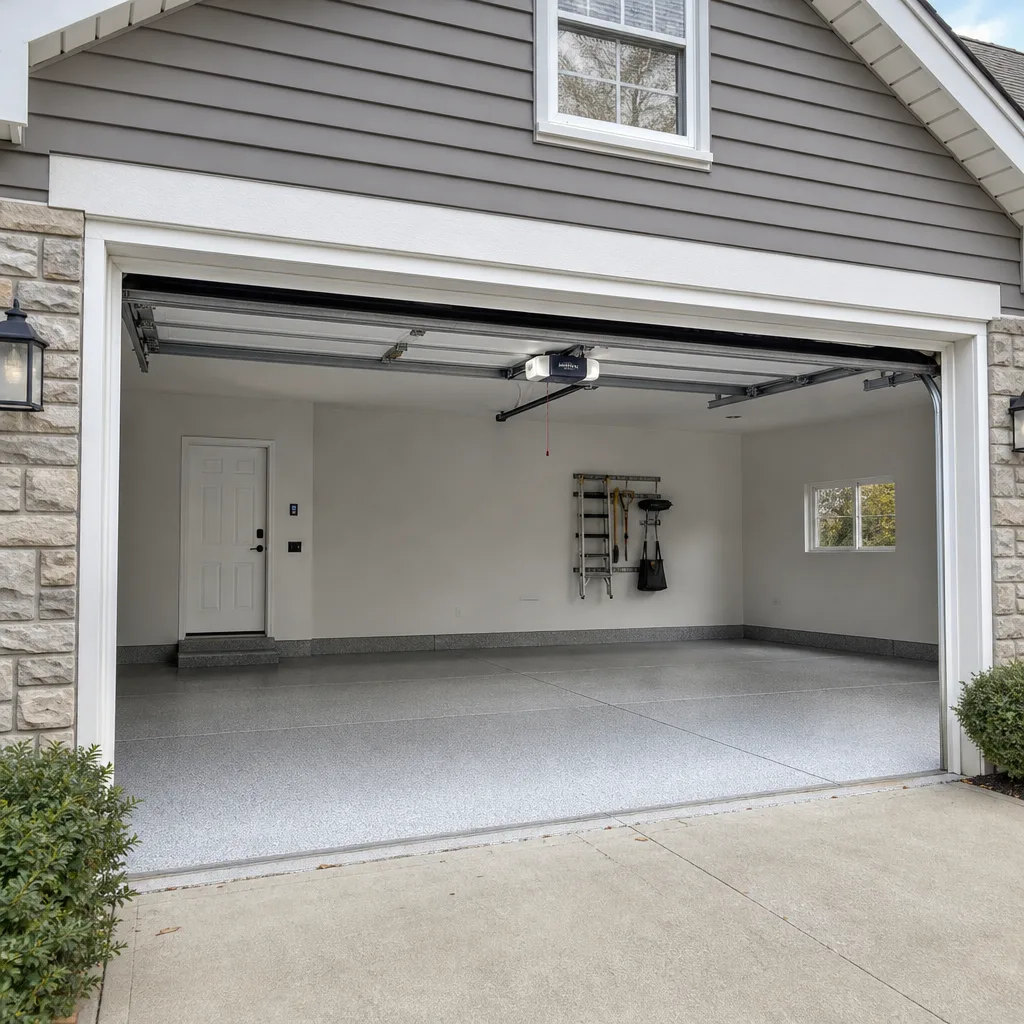
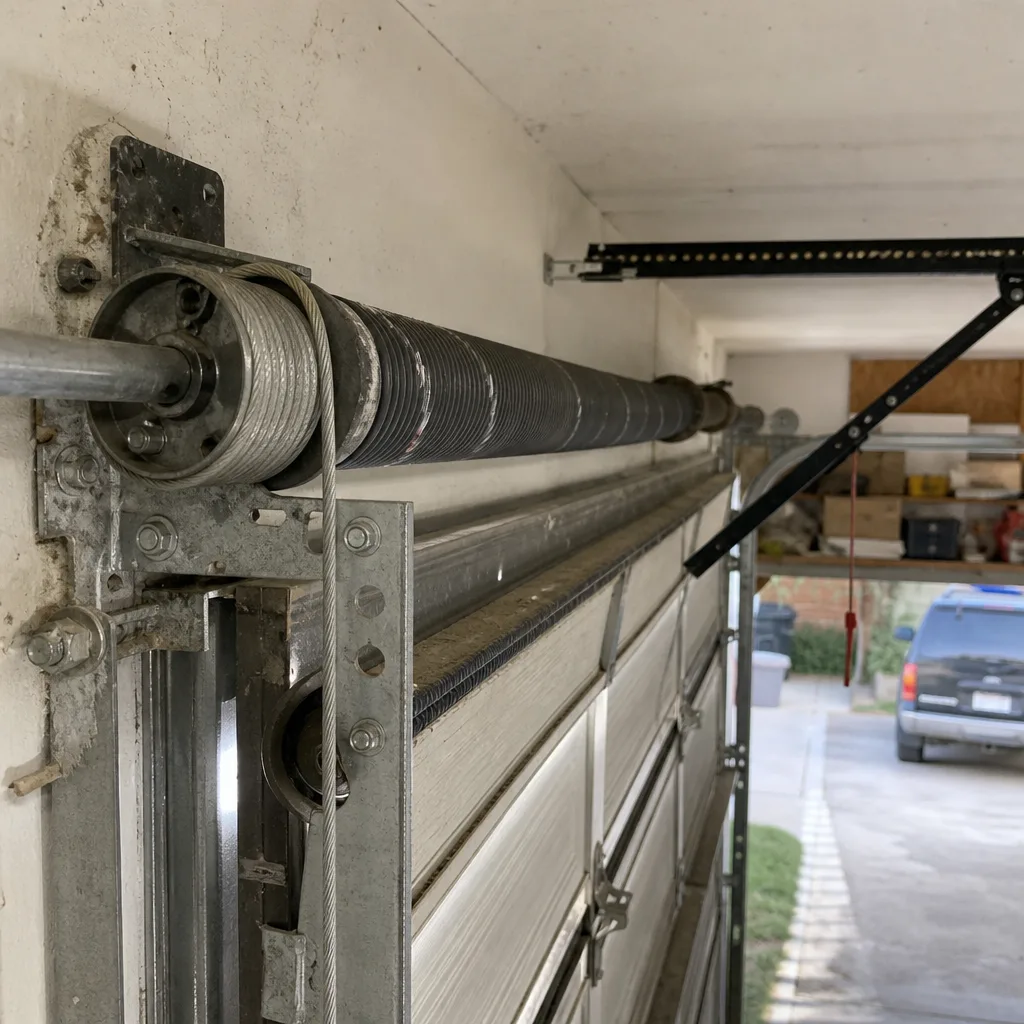 Before
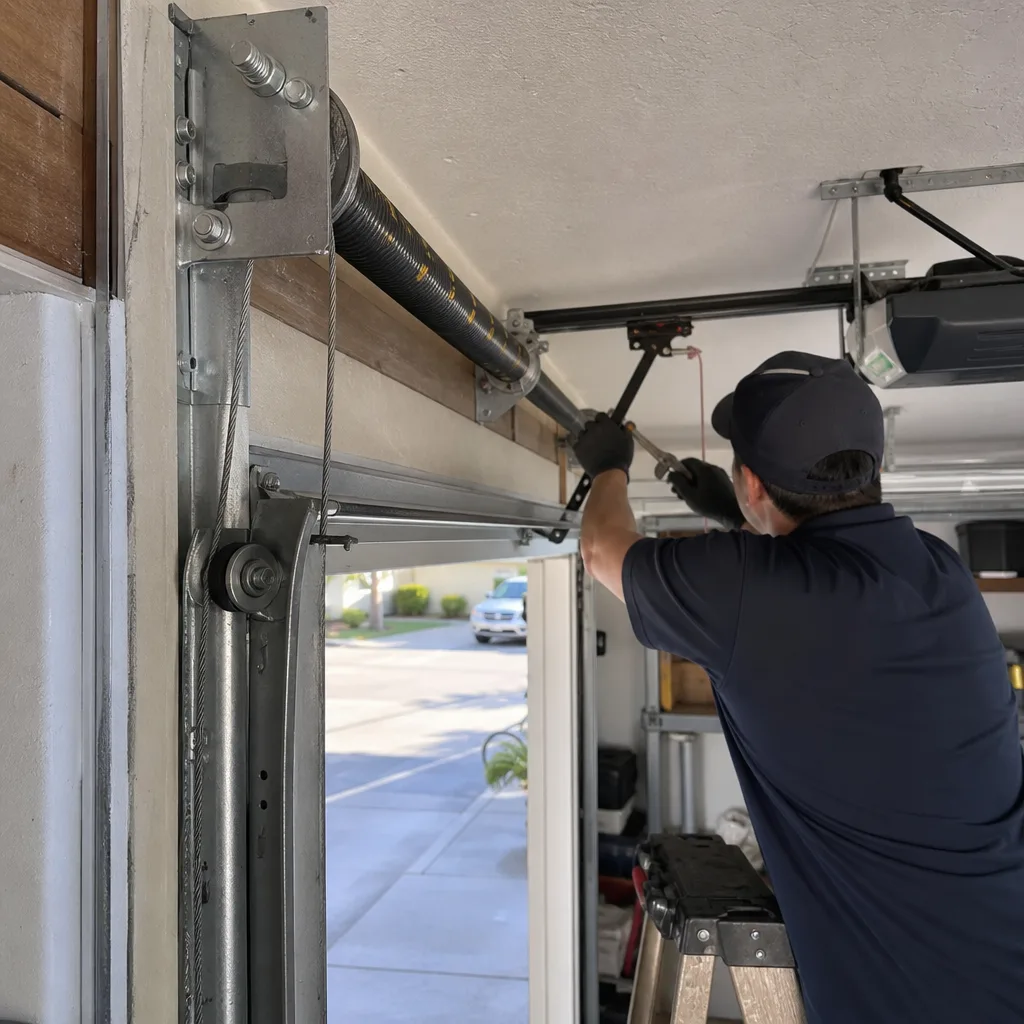 After
After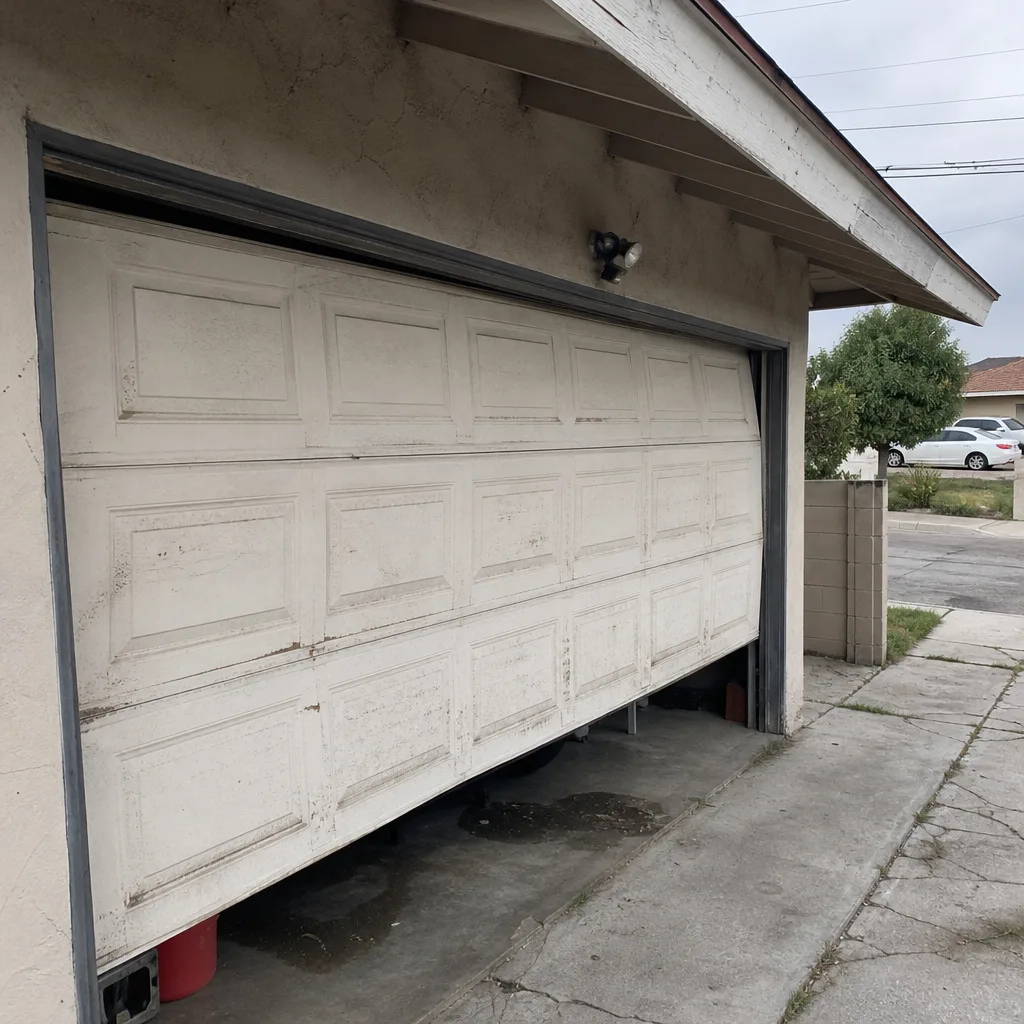 Before
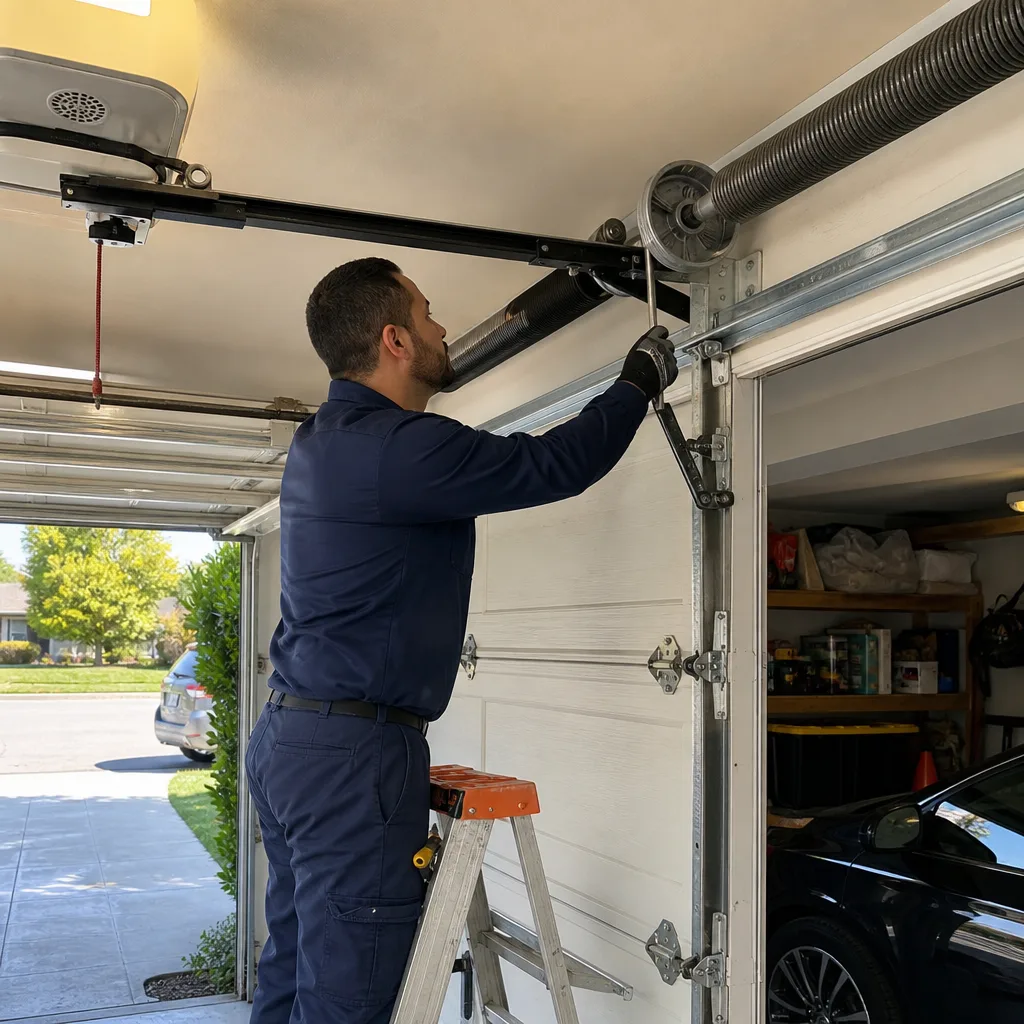 After
After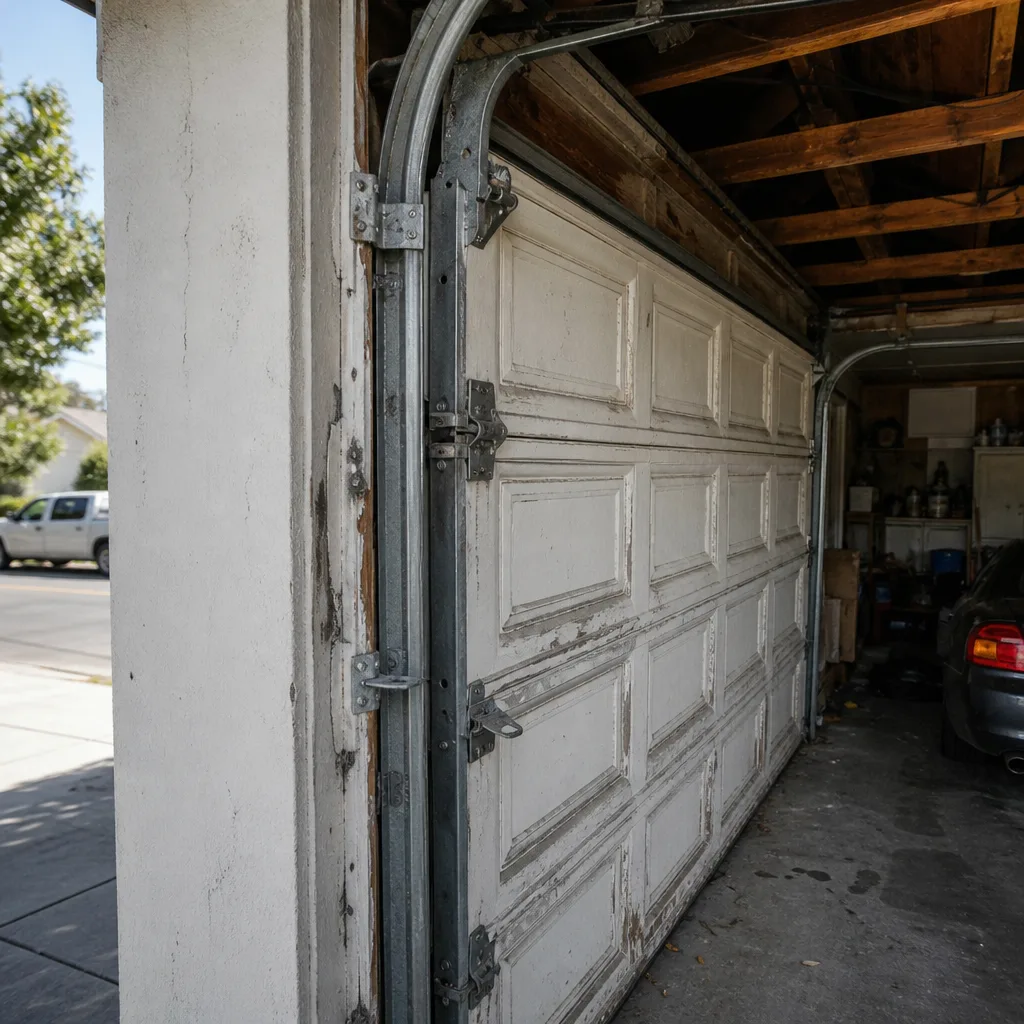 Before
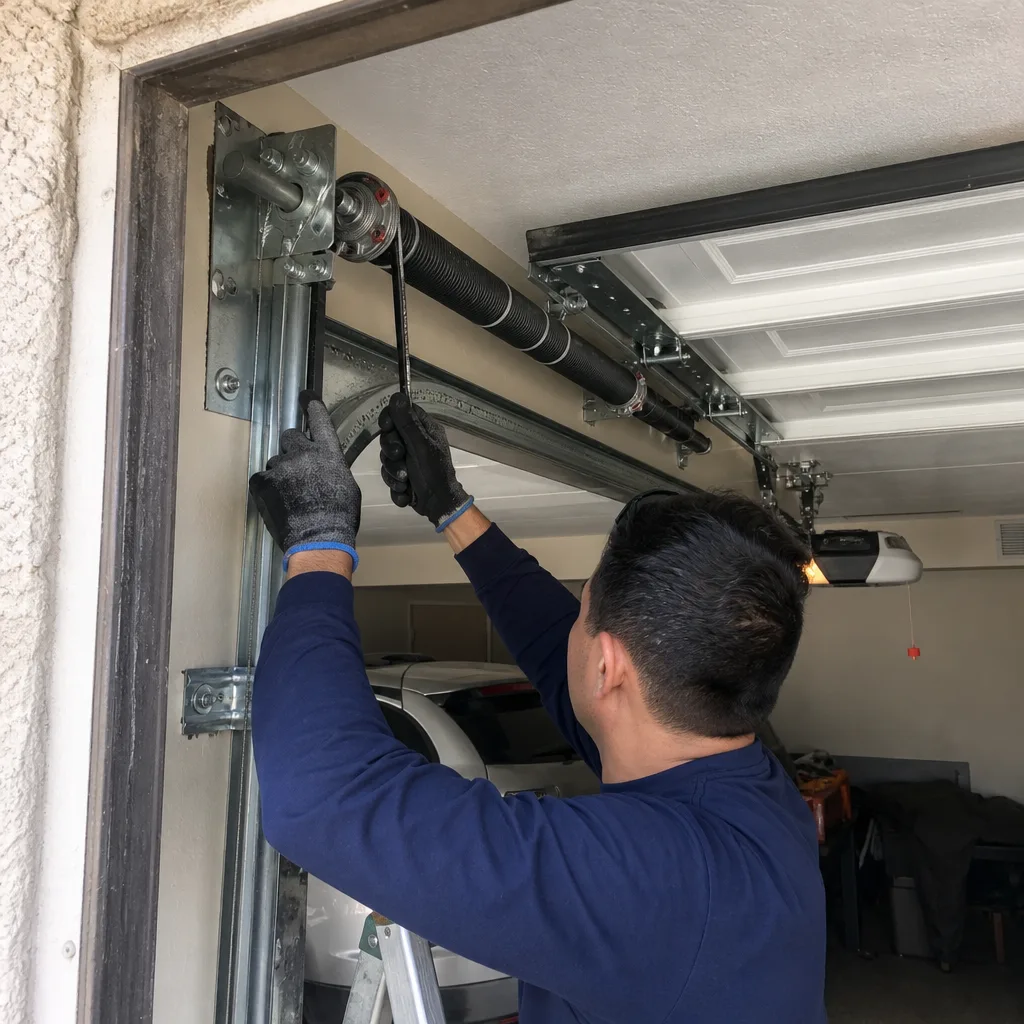 After
AfterGarage Door Emergency Preparedness Guide for Los Angeles Homes
When the ground starts shaking, most Los Angeles homeowners grab a doorway, check the gas line, and hope for the best. Almost nobody thinks about the garage door until it’s too late. Yet in every major earthquake scenario modeled by USGS for the Los Angeles basin, the garage door is the single most common point of failure that traps residents inside their own homes. A ShakeAlert warning gives you roughly 5 to 20 seconds of lead time depending on your distance from the epicenter. That’s not enough time to evacuate through the garage if you don’t already know how to operate your door manually. This guide walks through exactly what to do when the door fails during an emergency in Los Angeles: earthquakes, wildfire-driven power outages, and the kind of post-storm damage that hits hillside neighborhoods from Pacific Palisades to Mount Washington. For more guides & resources on keeping your home safe, see our blog.
Quick Answer
In an emergency, your garage door can fail three ways in Los Angeles: the opener locks the door shut after a power surge, the springs snap and make the door impossible to lift by hand, or the track gets knocked out of alignment and jams the rollers. The fix in almost every case starts with pulling the red emergency release cord hanging from the opener rail, which disconnects the door from the motorized trolley so you can lift it manually. If the door is stuck, off-track, or the springs are broken, you’ll need to call a Los Angeles garage door technician – but there are still steps you can take right now to make sure you’re never trapped.
Table of Contents
- Why Los Angeles Earthquakes Create Garage Door Failures Other Cities Don’t See
- How to Manually Release Your Garage Door in Under 30 Seconds
- Power Outage Protocols: Battery Backups and Wildfire Season Blackouts
- Post-Earthquake Inspection Checklist Before You Operate the Door
- Getting a Stuck or Off-Track Door Open When Exit Is Urgent
- How to Secure a Garage Door Manually When the Track Is Warped
- The 20-Minute Los Angeles Garage Door Preparedness Kit
Why Los Angeles Earthquakes Create Garage Door Failures Other Cities Don’t See
Most garage door failure guides treat an earthquake like a generic “natural disaster.” But a magnitude 6.7 earthquake on the Newport-Inglewood fault does something very specific to your garage door that a hurricane in Houston or a blizzard in Minneapolis never will: it shifts the entire structural frame of the house relative to the foundation. When that happens, the horizontal tracks that guide the door along the ceiling can shift by as little as a quarter inch. That’s all it takes. The rollers bind, the door wedges against the track, and suddenly you’ve got 200 to 400 pounds of steel and wood that won’t budge.
Here’s what we’ve seen across Los Angeles after significant seismic events:
- Opener lockout after power surge: Many LiftMaster and Chamberlain openers made after 2015 have surge protection that locks the door in the closed position when the power flickers. The door isn’t broken – it’s waiting for you to pull the manual release.
- Torsion spring whip: The horizontal coil above your door (the torsion spring) can snap during severe shaking if it was already near the end of its life cycle. A broken spring means the door effectively weighs double – most healthy adults cannot lift it manually without mechanical assistance.
- Track separation from the wall: In hillside neighborhoods like Silver Lake, Echo Park, and Mount Washington, homes are often built on stilts or stepped foundations. The differential movement between the house and the garage slab is more pronounced, and the track brackets that anchor to the wall are the first thing to pull loose.
If you live in a soft-story building (common in older apartments throughout Koreatown, Westlake, and Hollywood), the garage is often the weakest structural point. The city of Los Angeles has been retrofitting soft-story buildings since the 2015 ordinance, but thousands of single-family homes from the 1920s through 1960s have garages that were never engineered for lateral movement. Your door may have been fine for 60 years and still be the first thing that fails in a major quake.
How to Manually Release Your Garage Door in Under 30 Seconds
Every automatic garage door opener installed since the early 1990s has a red emergency release cord. It hangs from the opener rail, usually about 12 to 18 inches above the door when the door is closed. In an emergency, this cord is your exit. The problem is that most Los Angeles homeowners have never pulled it, don’t know what it does, and wouldn’t recognize it in the dark when the power is out.
Here is the manual release procedure that works on every major brand – LiftMaster, Chamberlain, Genie, Craftsman, and Raynor all use the same basic mechanism:
- Locate the red cord. It hangs from a trolley on the metal rail above the door. In the dark, it’s lower than you think – reach up along the rail and feel for it.
- Pull straight down firmly. You should hear or feel a release as the trolley disconnects from the opener motor. Some models require a sharp downward pull; others release with gentle pressure.
- Lift the door manually. Place both hands on the bottom handle (or the bottom edge if there’s no handle) and lift. A balanced door with intact springs should feel heavy but manageable – roughly 40 to 70 pounds of effective weight.
- Pull the door all the way up and let it settle. If the springs are intact, the door should stay open on its own. If it starts creeping back down, that’s a sign of weak or broken springs – do not stand under it.
Here’s the part most guides skip: practice this before you need it. Pull the red cord during a calm afternoon, open and close the door by hand three or four times, and feel how the weight shifts. Then reengage the opener (usually by pressing the opener remote or wall button to reconnect the trolley). If your door feels unusually heavy or slams shut when you release it, the springs need attention before the next earthquake hits-add this check to your Garage Door Repair Maintenance Checklist for Los Angeles Homeowners. In our experience across Los Angeles, maybe one in twenty homeowners has ever pulled the red cord. That’s a problem when the ground is shaking and you have 30 seconds to get out.
Power Outage Protocols: Battery Backups and Wildfire Season Blackouts
Los Angeles doesn’t lose power the way other regions do. We don’t get ice storms or tornado downbursts. What we get is wildfire season, and that’s become the dominant cause of extended outages across the city. When high winds push a fire toward the foothills, the Department of Water and Power and Southern California Edison will shut down transmission lines preemptively to prevent sparking. Neighborhoods in the Santa Monica Mountains corridor, the Verdugo Hills, the San Gabriel foothills, and communities along the 210 and 118 freeways are the most likely to see multi-day shutdowns during September through November.
A power outage affects your garage door in two ways:
- If your opener has no battery backup: The door won’t respond to remotes, wall buttons, or your phone app. You’ll need to use the manual release procedure above whenever you want to open or close the door. The door itself still works fine by hand – provided the springs are healthy.
- If your opener has a battery backup: Most new LiftMaster and Chamberlain openers (and many Genie models made after 2018) include or accept a battery backup unit. These typically give you 10 to 20 open-close cycles on battery power before they drain. That’s enough for a few days of regular use if you’re conservative, but not unlimited. Know whether you have one – and when you test it last.
For Los Angeles homeowners in wildfire-prone areas, we recommend a simple test twice a year: unplug your opener (or flip the breaker) and try to open and close the door using the wall button. If it doesn’t move and you have no battery backup, consider adding one. The cost is modest compared to the alternative of fumbling with the manual release at 3 a.m. during an evacuation order. And if you do have a battery backup, put “replace battery” on your calendar every three years-batteries degrade in heat, and a Los Angeles garage regularly hits 110 degrees in the summer. For a full timeline of upkeep, see our Garage Door Repair Maintenance Schedule: What to Do and When.
Post-Earthquake Inspection Checklist Before You Operate the Door
After any earthquake strong enough to knock items off shelves in Los Angeles, you should treat your garage door as suspect until you’ve done a visual inspection. This is not overcautious. A door with a shifted track or a partially damaged spring can fail suddenly under load, and a 300-pound door dropping from ceiling height is a genuine hazard. Here’s the inspection sequence we use on service calls throughout Los Angeles:
- Look at the door from inside the garage. Is it still sitting evenly between the tracks? A tilt of more than half an inch side to side means something has shifted.
- Check the torsion spring above the door. If you see a visible gap in the spring or what looks like two separate coil segments, the spring has snapped. Do not operate the door – call a professional.
- Inspect both vertical tracks. Look for gaps where the track has pulled away from the wall. A track that’s off by even a quarter inch will bind the rollers.
- Lift the door manually (using the red cord release). If it lifts smoothly and stays open, the door is likely safe to operate. If it feels heavy, catches at any point, or makes grinding sounds, stop immediately.
- Test the opener with a remote. Watch for any hesitation, unusual noise, or uneven movement. If anything seems off, disengage the opener and run the door by hand.
This inspection takes about five minutes. The key signal to watch for is the door’s behavior when you lift it manually – a healthy door moves smoothly, quietly, and feels consistent from bottom to top. Any deviation means something changed during the quake. And remember: a door that survived the earthquake may still fail a week later as metal fatigue from the shaking propagates through the springs and hinges. If you noticed anything odd during the inspection, get a garage door repair in Los Angeles professional out for a look sooner rather than later.
Getting a Stuck or Off-Track Door Open When Exit Is Urgent
If your door has come off its track during an earthquake and your car is trapped inside, you’re dealing with a genuine emergency exit problem. A door that’s partially off-track won’t roll, won’t lift smoothly, and may be jammed against the track with significant force. Here’s the situation honestly: if the door is severely bent or the track is twisted, you’re not going to get it open by yourself. But if the off-track condition is minor – one roller popped out of the track or the door shifted slightly to one side – there are a few things you can try.
First, check whether the door moves at all. Pull the red release cord and attempt to lift with controlled, steady pressure. The door may bind at one point and then release. If it moves but catches, try lowering it back down about six inches and lifting again with slightly more force. The goal is to work the door past the obstruction without forcing it hard enough to bend the panel.
If the door won’t budge: stop. A stuck garage door under spring tension can release suddenly with enough force to cause serious injury. The right move is to call a Los Angeles garage door technician. This is not a DIY fix you should attempt with a pry bar and a YouTube video. In the meantime, look for an alternate exit – a side service door, a back door through the laundry room, or a ground-floor window. Every home should have two exits from the garage. If you only have one (the main garage door), that’s a structural vulnerability worth addressing after the emergency passes.
One thing we’ll note from years of working with garage door springs in Los Angeles: if the spring is broken, the door is effectively inoperable for a person of average strength. The springs are what make a 300-pound door feel like 40 pounds. Without them, you’re lifting the entire dead weight. Don’t try. Wait for a technician who has the right tools and training.
How to Secure a Garage Door Manually When the Track Is Warped
Sometimes an earthquake doesn’t prevent the door from opening – it damages the structure just enough that the door won’t stay closed or won’t seal properly. A warped track can leave a gap at the bottom or the side of the door. In a city like Los Angeles, where overnight temperatures can swing 30 degrees and wildlife (possums, raccoons, coyotes in the foothills) is more active after fires, an unsecured garage door is an open invitation.
If the door still closes manually but doesn’t sit flush against the frame:
- Use a c-clamp above one of the rollers on each track. This prevents the door from being lifted from outside. It’s not a permanent fix, but it’s a solid overnight security measure.
- Drive a heavy screwdriver or a piece of pipe through a track hole behind a roller. This physically blocks the roller from moving up. Don’t do this on a door with a live opener – disengage the opener first.
- Fill the gap with a temporary seal. A folded towel, a piece of foam pipe insulation, or weatherstripping from a hardware store will keep dust, critters, and embers from getting in until you can repair the track properly.
For the fire-specific concern: during wildfire season in Los Angeles, ember intrusion is a real issue for homes in the WUI (wildland-urban interface). Embers can enter through a half-inch gap at the bottom of a garage door and smolder for hours before you notice. If your door is warped and you live in a high-fire-risk zone – think Tujunga, Sunland, Porter Ranch, or the canyon communities – make sealing that gap a priority. A garage door cable repair in Los Angeles is often part of the fix, since cable tension keeps the door level in the tracks.
The 20-Minute Los Angeles Garage Door Preparedness Kit
Everything in this guide can be summarized into a simple set of actions that take less than half an hour total. Do them once, and you’ll have addressed the most likely emergency scenarios for Los Angeles homeowners.
- Pull the red cord once. Release the opener, lift the door by hand, lower it, and reengage the opener. You’ve now practiced the most important emergency skill in this guide.
- Check your opener’s battery backup status. If you don’t have one and you live in a wildfire-risk area, call a garage door company and ask about adding a battery backup to your specific model. LiftMaster, Chamberlain, and Genie all make compatible options.
- Test your door’s balance. Disconnect the opener and lift the door halfway. If it holds the halfway position, the springs are doing their job. If it drops, call a professional before the next quake.
- Find your side door or alternate exit. If your garage has no secondary exit, make a plan for how you’d get out if the main door were stuck closed.
- Keep the number of a Los Angeles garage door company saved in your phone. During an emergency, you don’t want to be reading reviews and comparing options. Know who you’ll call.
This preparation is specific to Los Angeles because the threats are specific: earthquakes, wildfire-driven outages, and post-storm debris from the kind of atmospheric rivers that hit the city every few winters. A generic garage door checklist from a national website won’t account for the unique combination of seismic risk and power infrastructure that defines this city. You also need to understand local requirements like Garage Door Permits, Codes & Inspections in CA: What You Need to Know.
Common Mistakes to Avoid
- Assuming you’ll “figure out” the manual release in an emergency. Adrenaline, darkness, and panic all work against you. The manual release is simple – but it’s only simple if you’ve practiced it at least once.
- Waiting until after an earthquake to check the springs. A spring that’s been weakening for six months is far more likely to fail during seismic shaking. If your door feels heavier than it used to, that’s your signal.
- Forcing a stuck door with a pry bar or car jack. Garage doors are under massive spring tension. Forcing a jammed door can cause the spring, the cable, or the panel to release suddenly – with you in the path.
- Ignoring the power-outage issue because your opener “has a battery.” Batteries in hot Los Angeles garages lose capacity faster than manufacturers list on the box. Test it twice a year.
- Treating a warped track as a cosmetic issue. A track that’s off by just enough to bind the rollers will overload the opener motor and can snap a cable. Small alignment problems don’t stay small.
- Not having a contact saved before an emergency. In a city of four million people, post-earthquake service calls spike dramatically. The homeowners who get help fastest are the ones who already know who to call and have the number in their phone.
- Relying on the garage as your family’s only meeting place after a quake. If the door is stuck and the car is inside, everyone needs to know the alternate plan. Have one.
When to Call a Professional
Some emergency situations you can handle yourself – the manual release, the post-quake inspection, the temporary security clamp. But certain conditions demand a trained technician. Call a La professional when: the torsion spring has snapped (there’s a visible gap in the coil above the door), the door is off its track and won’t move at all, the cable has come loose or frayed, the door drops when you release it at any height, or you see any cracks, bends, or separation in the door panels themselves. Marlow Garage Door Repair offers free estimates in Los Angeles – call (512) 883-4374 and a live person will answer.
Frequently Asked Questions
Emergency garage door repair in Los Angeles typically ranges from $125 to $450 depending on the issue – spring replacement usually runs $150 to $290, while off-track repair runs $200 to $450. You’ll see the exact written price before any work starts.
Yes, every automatic garage door has a red emergency release cord that disconnects the opener so you can lift the door manually. Without a battery backup, the door will only operate by hand, and that only works if the springs are in good condition.
Look at the torsion spring above the door – if there’s a visible gap in the middle or the spring appears to be in two pieces, it’s broken. You can also test by lifting the door halfway with the opener disconnected; if it drops hard, the springs have failed.
First, pull the red emergency release cord and try lifting the door manually. If it binds or won’t move, stop forcing it and look for an alternate exit. Extreme force on a stuck door under spring tension is genuinely dangerous.
If you live in a wildfire-risk zone where Southern California Edison or LADWP conducts preemptive power shutoffs – places like the foothill and canyon communities of Los Angeles – a battery backup is worth the cost. It gives you 10 to 20 open-close cycles during an outage, which is enough for most evacuation or basic-use scenarios.
Twice a year, ideally when you change smoke detector batteries. Pull the manual release, test the balance, and run a power-off cycle to check the battery backup. It takes five minutes and catches problems before an emergency exposes them.
The Bottom Line
An emergency in Los Angeles – earthquake, wildfire outage, or storm-driven debris – will find the weakest point in your home, and for thousands of LA households, that point is the garage door. The good news: most of the preparation is simple, free, and takes less than half an hour. Pull the red cord once so you know how it works. Test your door’s balance and your opener’s battery. Do a five-minute visual inspection after any earthquake strong enough to shake items off shelves. And have a number saved for the problems you can’t fix alone. That’s the difference between a garage door that fails in an emergency and one that lets you get out when it matters most.
Written by Jaylen Ross, Owner at Marlow Garage Door Repair, serving Los Angeles since 2002.