
Last updated October 9, 2026
Full 25-point door and opener safety check with every visit - springs, cables, rollers, tracks, and your LiftMaster or Chamberlain opener included
You get a price before we start. It does not change when the truck arrives.
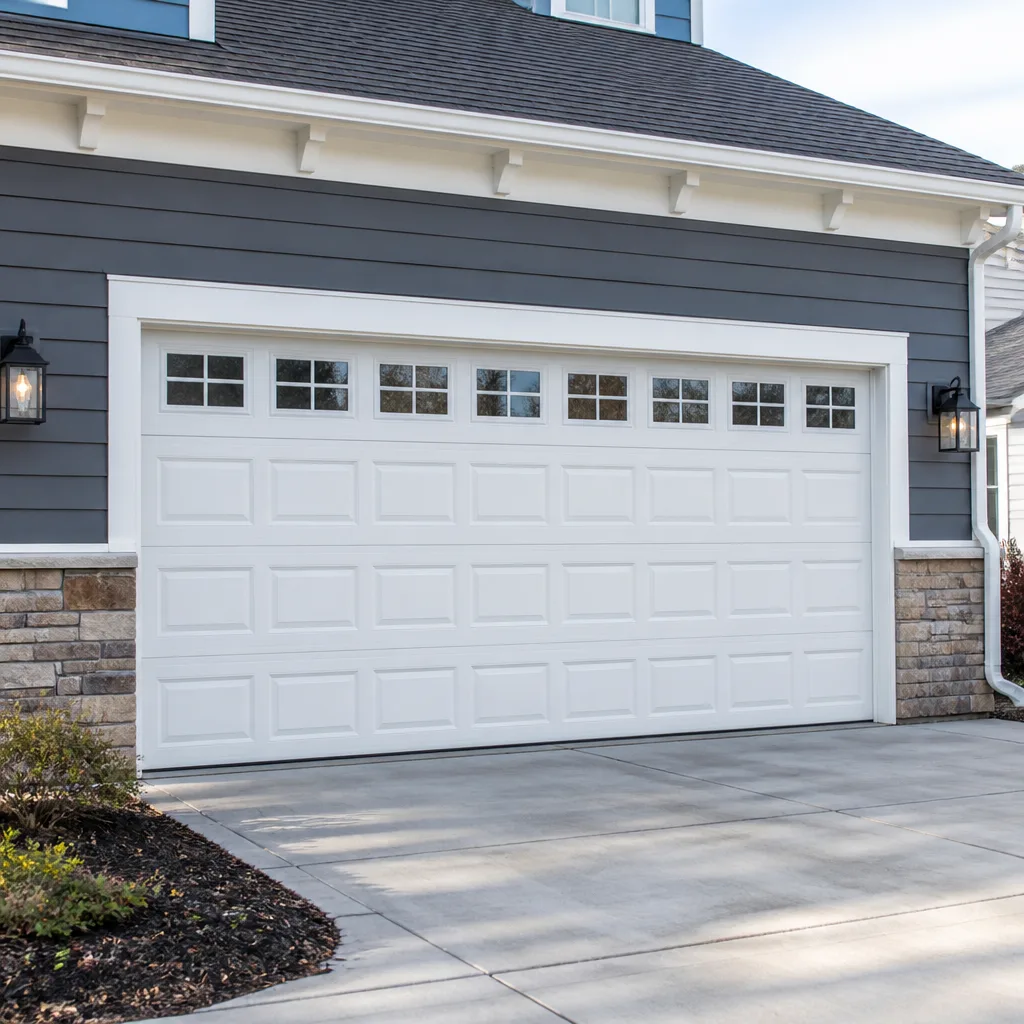
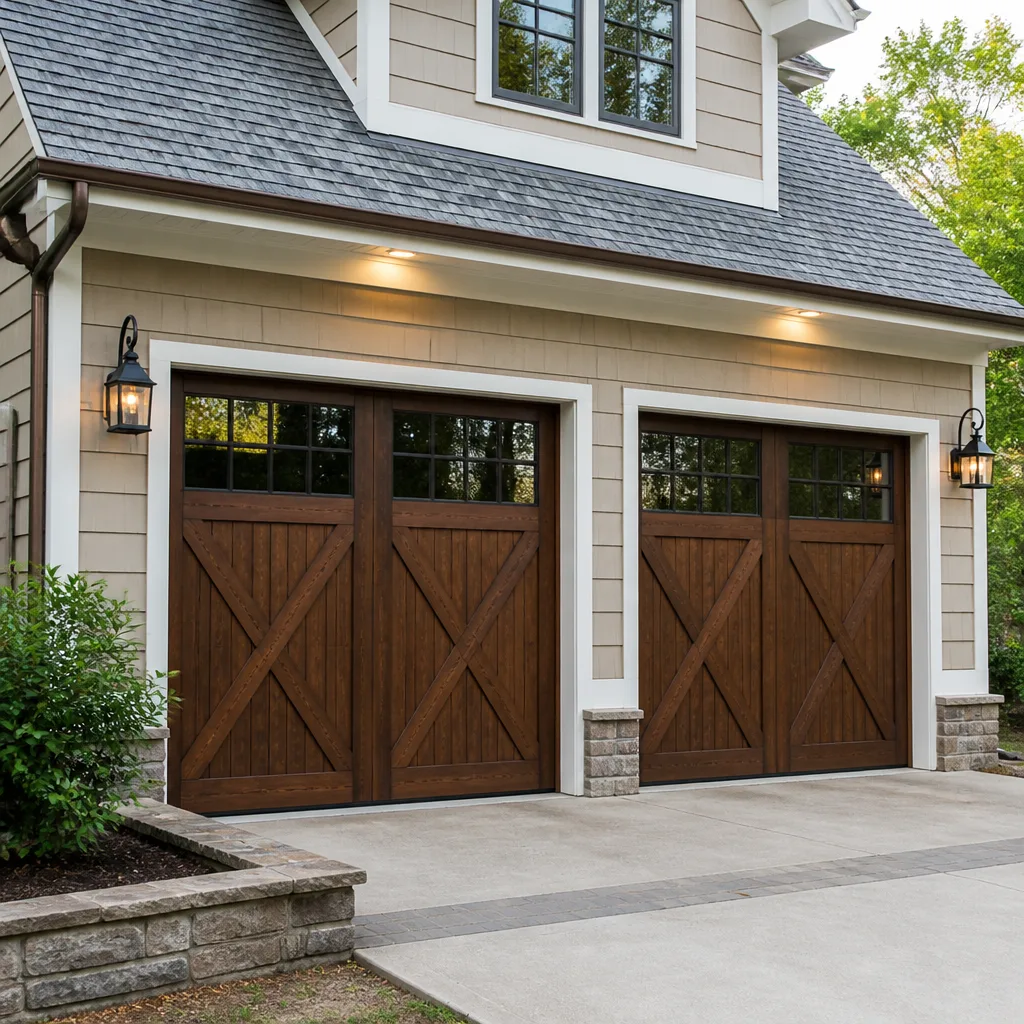
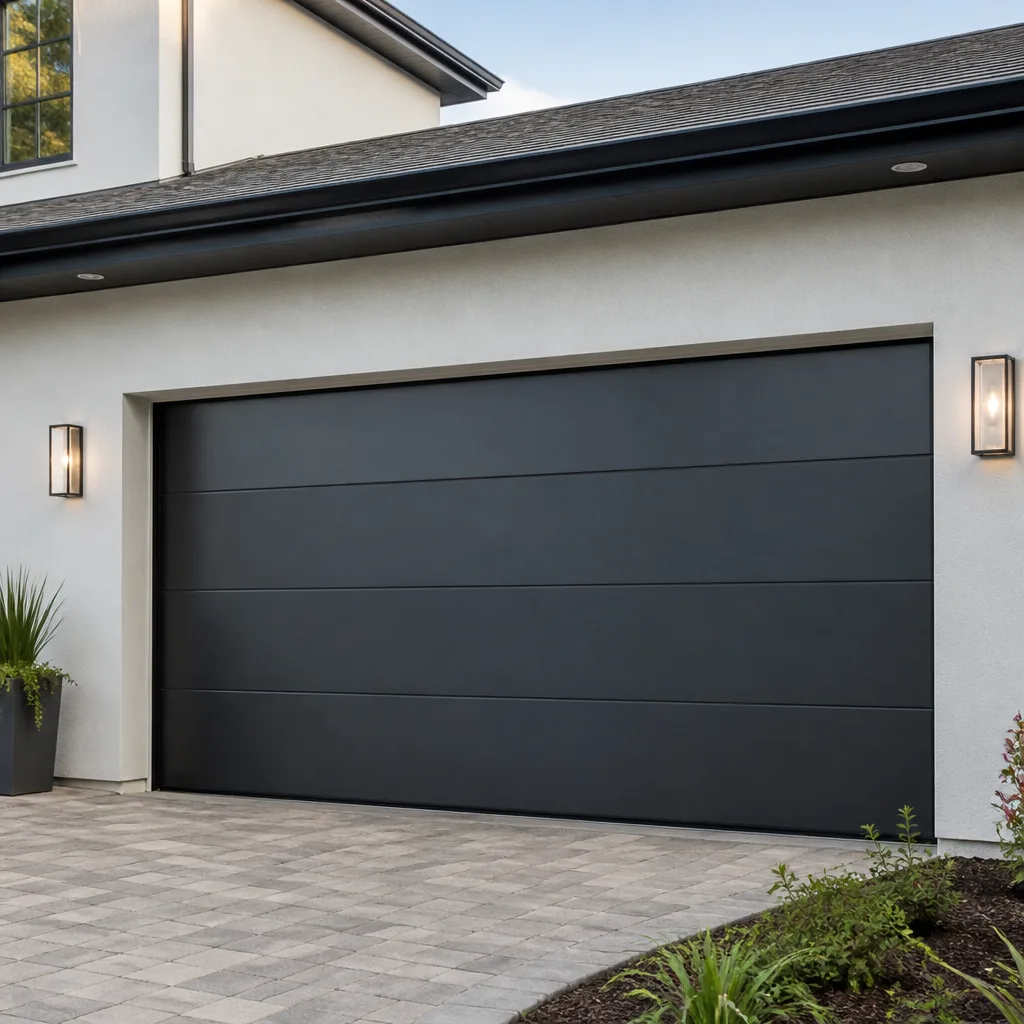
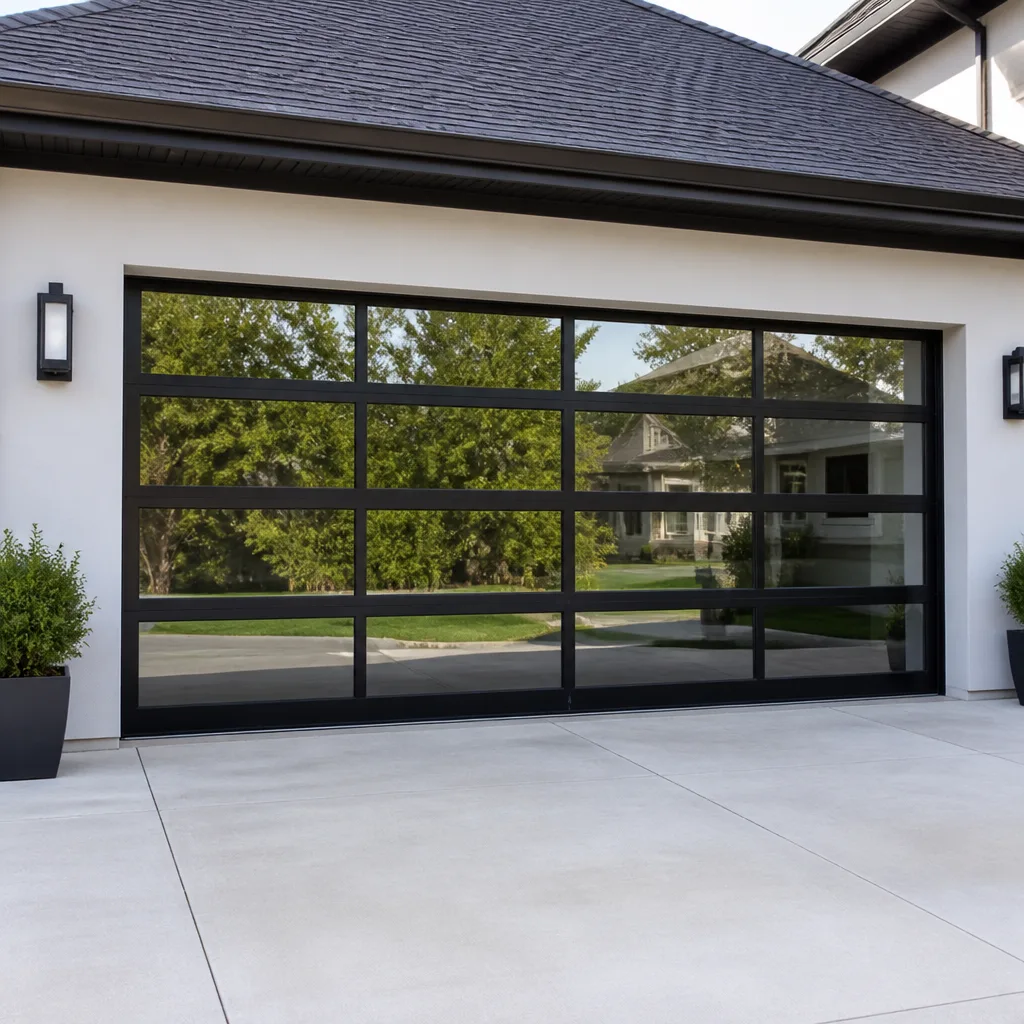
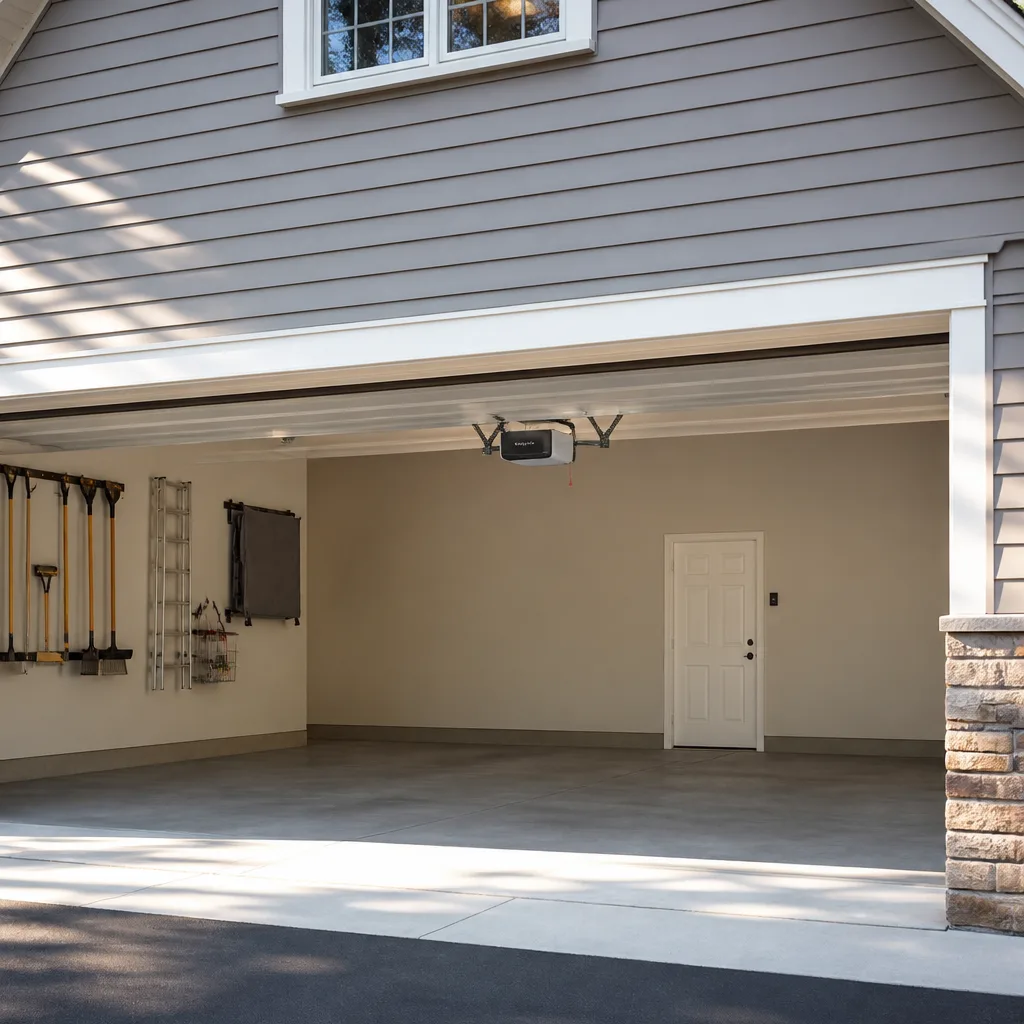
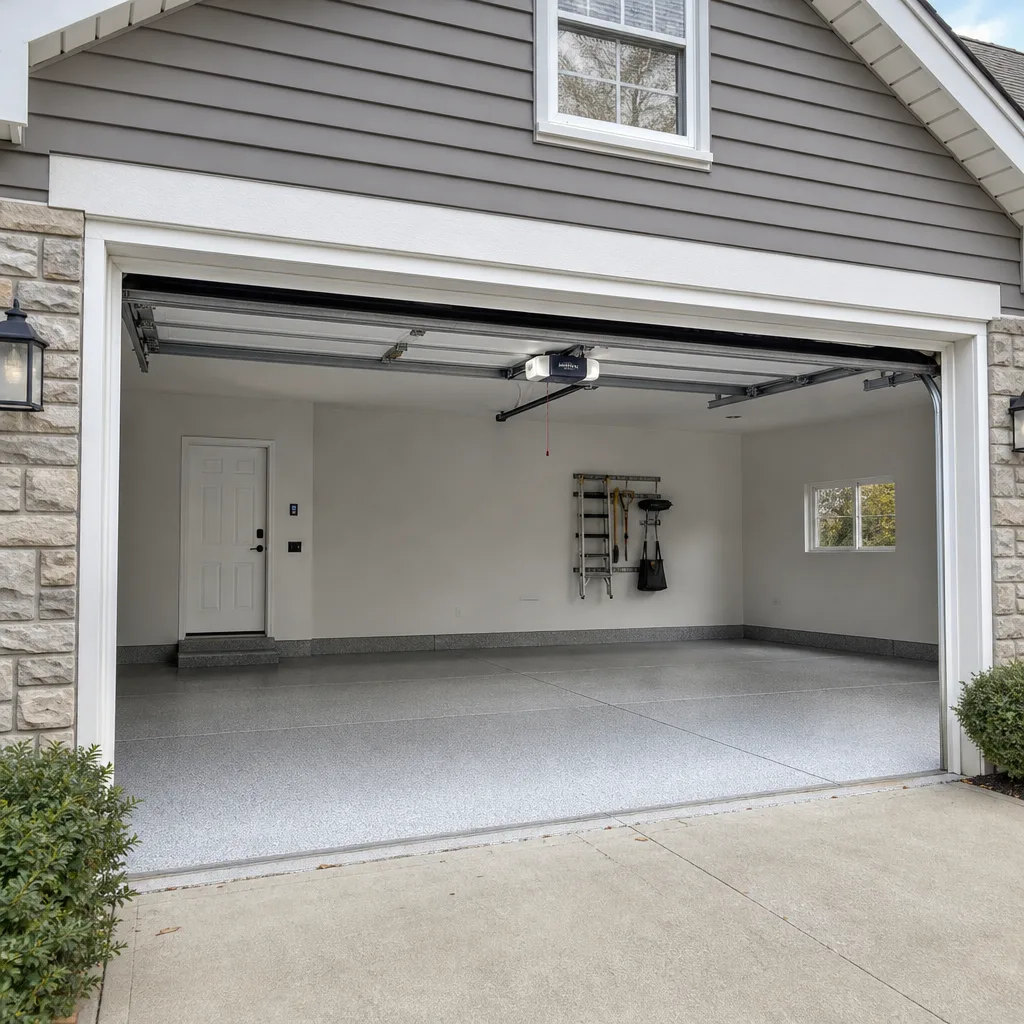
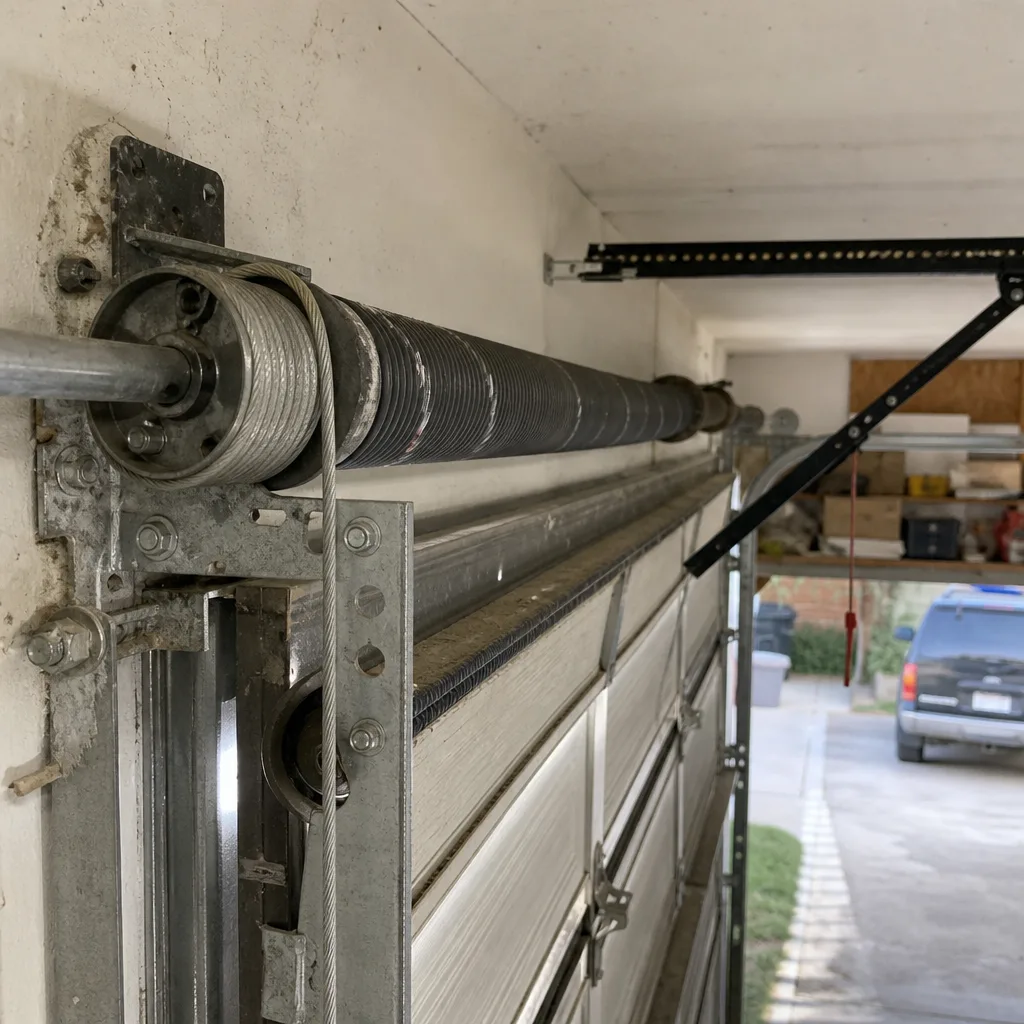 Before
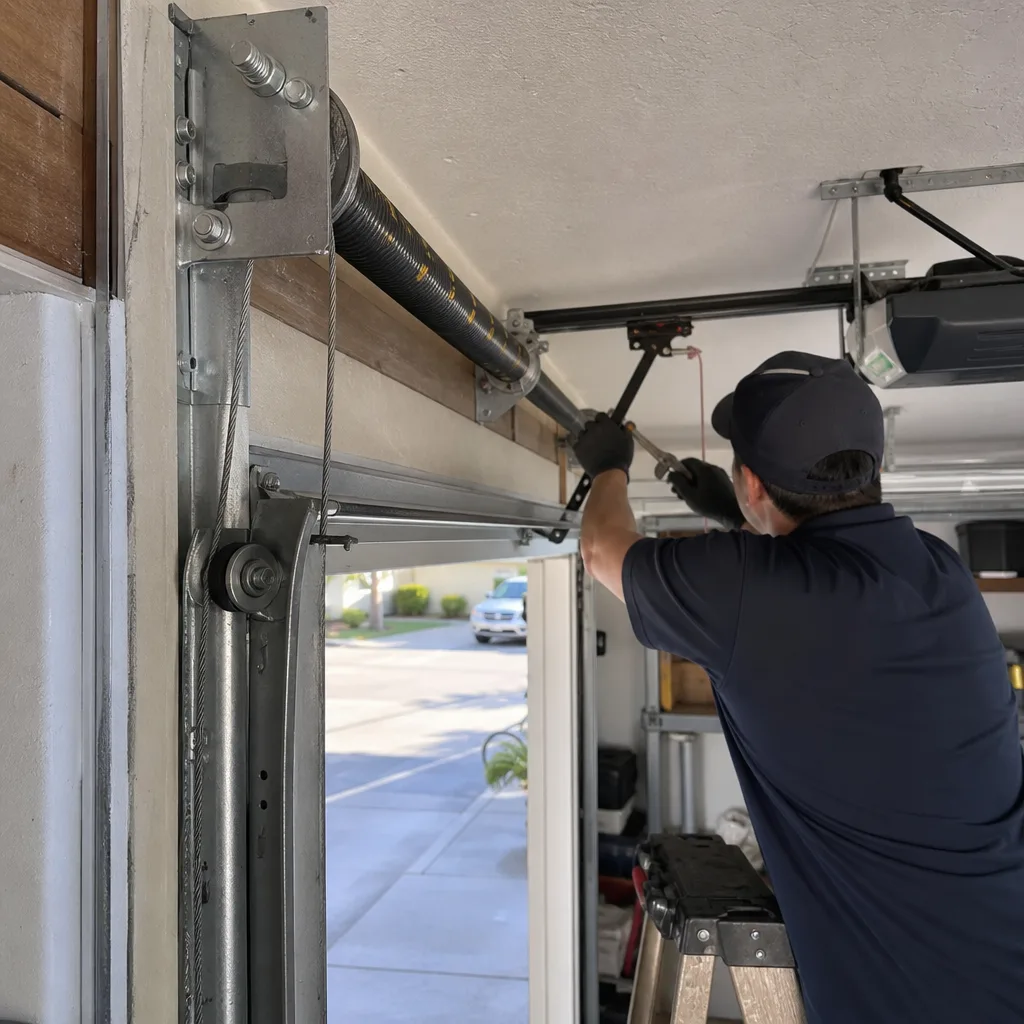 After
After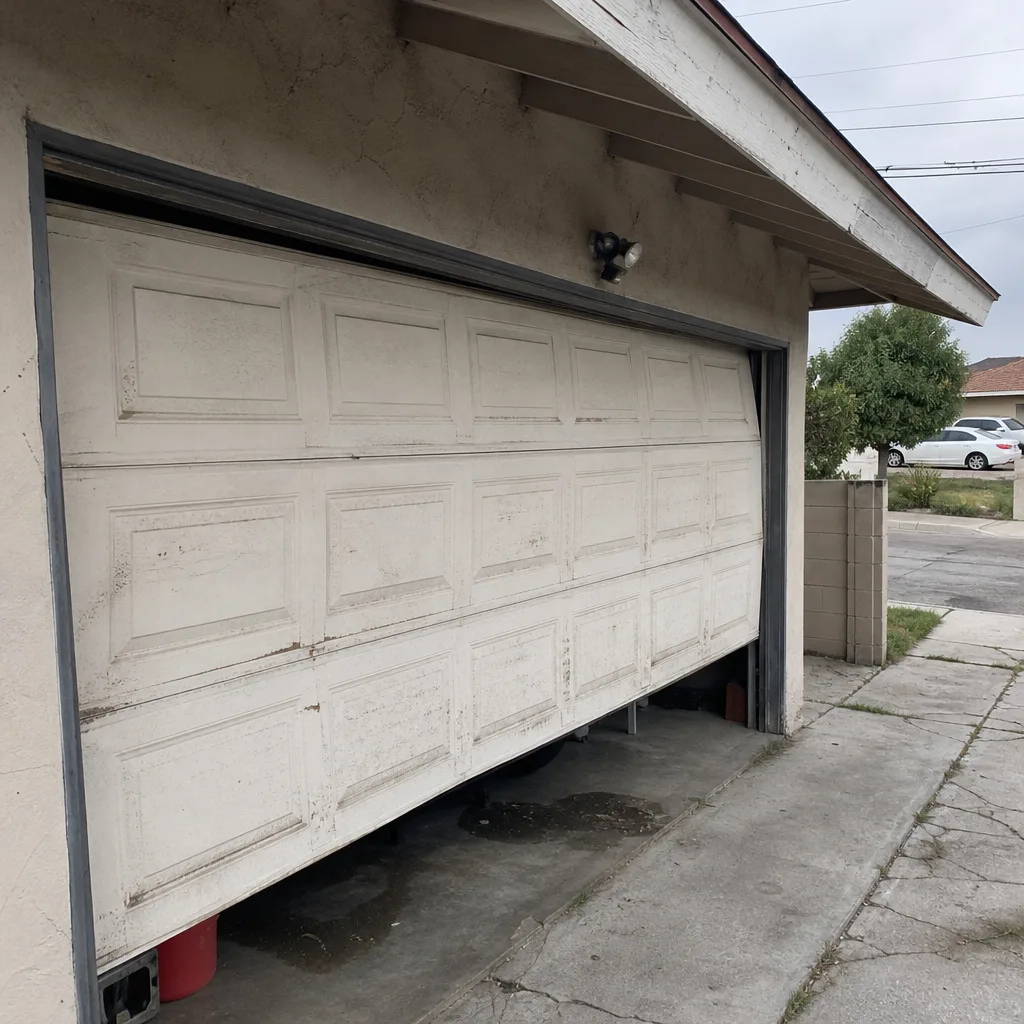 Before
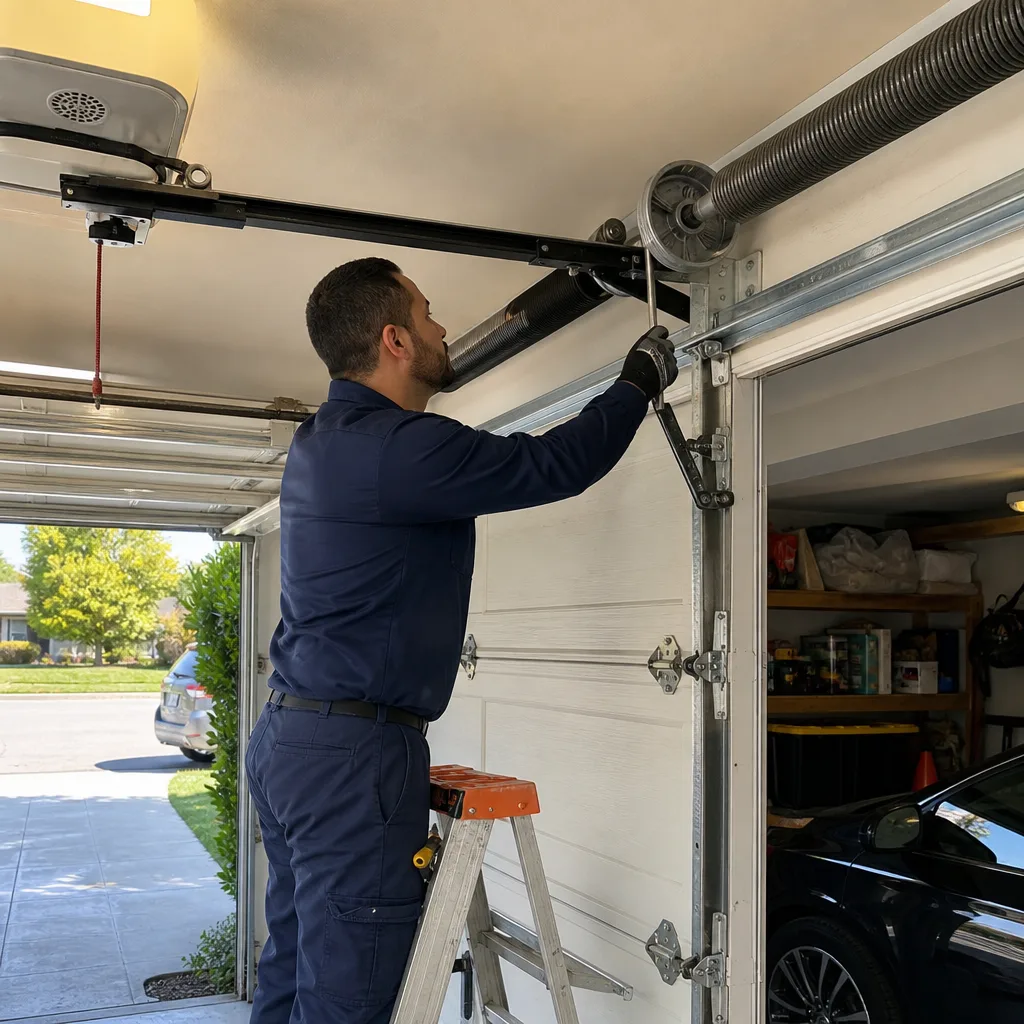 After
After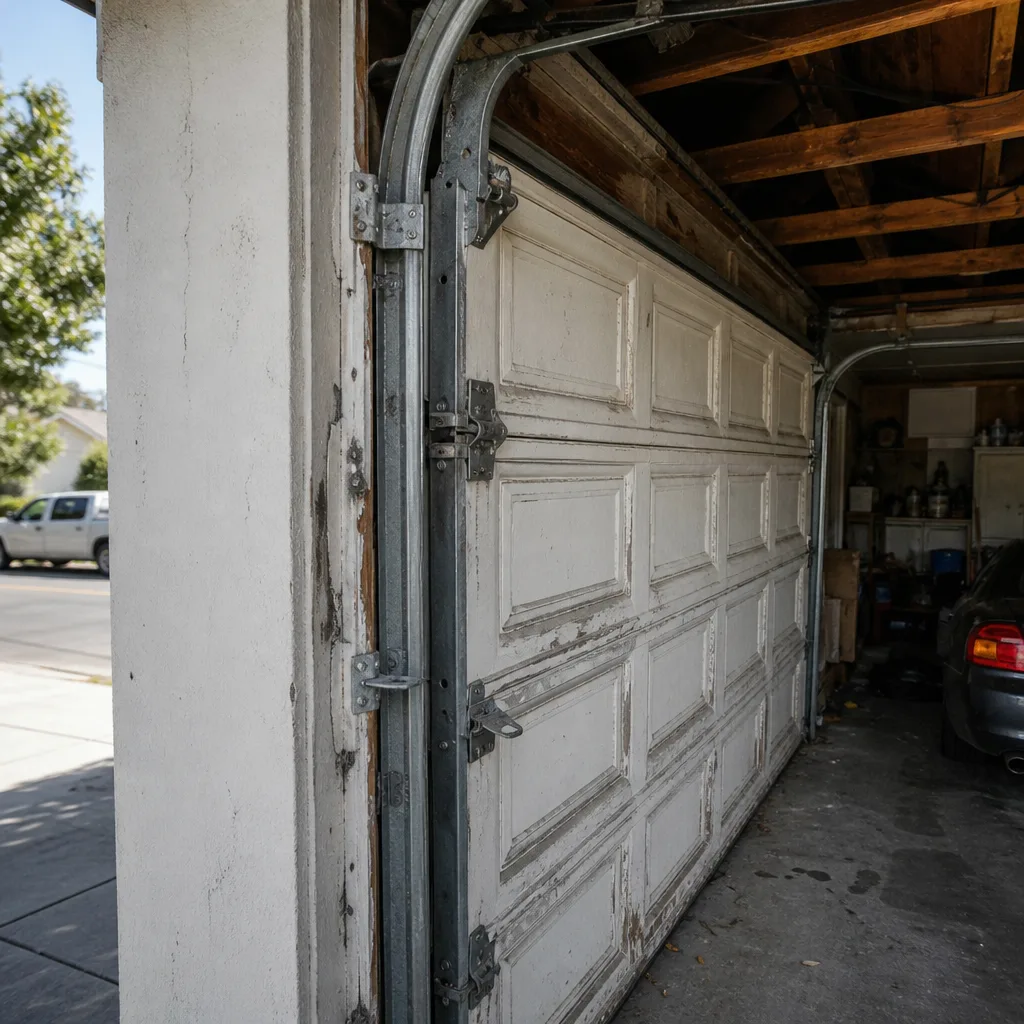 Before
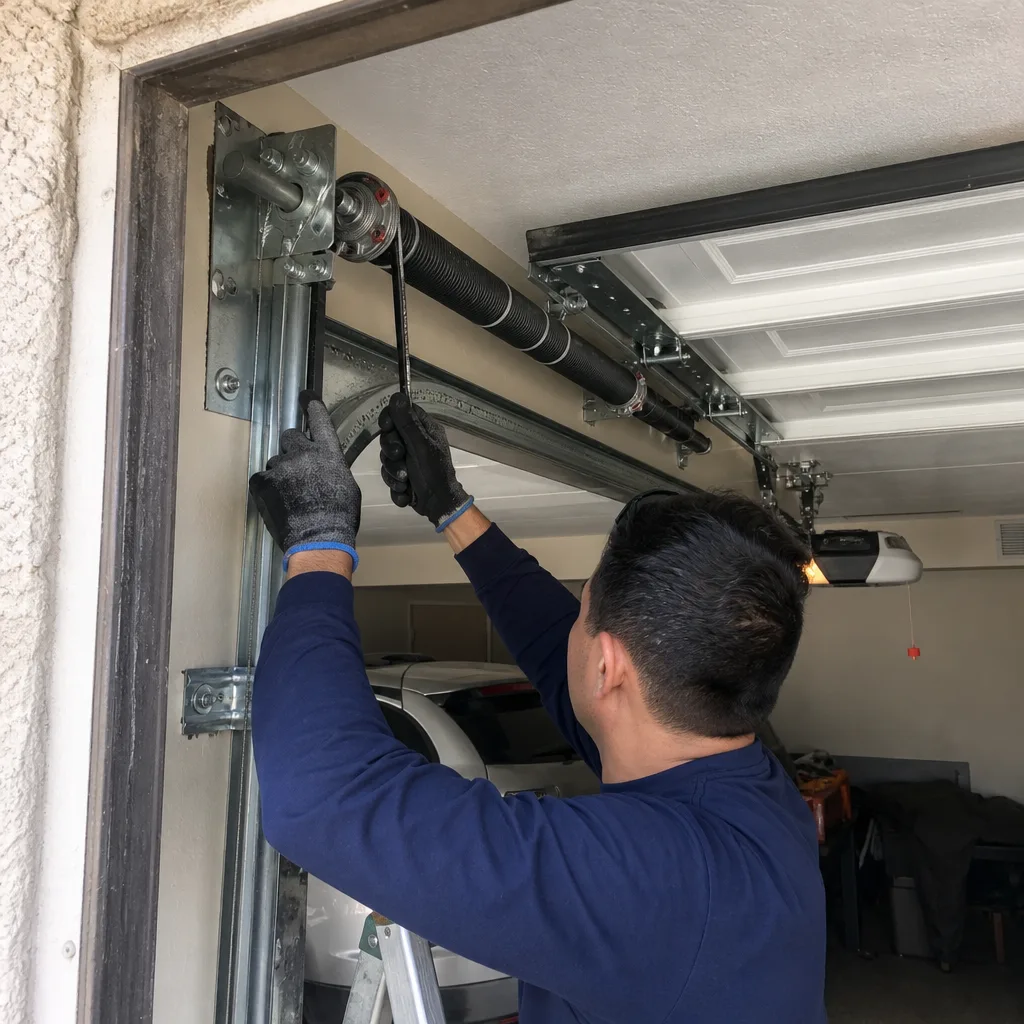 After
AfterGarage Door Permits, Codes & Inspections in CA: What You Need to Know
Replacing a garage door panel is usually permit-free. Replacing the entire door is not, and if you sold a home in Los Angeles without pulling that permit, you can be held liable years after the sale closes. California splits garage door rules across three layers: state Title 24 energy code, local municipal building departments, and seismic bracing requirements that most homeowners, and frankly some contractors, have never heard of. This guide cuts through all three so you know exactly what triggers a permit, what doesn’t, and how to protect yourself at resale. For Garage Door Repair Troubleshooting: Common Problems and How to Fix Them, see our dedicated guide.
Quick Answer
In California, most garage door work falls into two buckets: like-for-like repairs (no permit needed) and alterations or full replacements (permit usually required). A panel swap, spring replacement, or opener swap on an existing door is typically repair work and skips the permit desk. Replacing the whole door assembly, widening the opening, or converting a garage to living space triggers a building permit through your local jurisdiction, plus Title 24 energy compliance if the garage is attached to your home. Following a Garage Door Repair Maintenance Schedule: What to Do and When can help you stay ahead of bigger issues.
Table of Contents
- What Actually Triggers a Garage Door Permit in California
- How LA County, City of LA, and Nearby Cities Handle Permits Differently
- Seismic Bracing Requirements for Garage Door Openers
- Title 24 Insulation Rules for Attached Garage Doors
- How Unpermitted Garage Door Work Shows Up at Resale
- What Inspectors Actually Check: A Step-by-Step Walkthrough
- Common Mistakes to Avoid
- When to Call a Professional
- Frequently Asked Questions
What Actually Triggers a Garage Door Permit in California
The California Residential Code (CRC) draws a line between repair and alteration, and that line determines whether you’re pulling a permit. The rule of thumb we use with customers in Los Angeles: if you’re restoring the door to its original function without changing its size, operation, or structure, you’re repairing. If you’re changing what’s there, you’re altering, and alterations need permits.
A permit is generally not required for:
- Replacing broken springs, cables, rollers, or hinges on an existing door
- Swapping out a garage door opener for a new one of the same type
- Replacing individual door panels or sections with same-size panels
- Installing weatherstripping, seals, or minor hardware
- Repainting or refinishing the door
A permit is generally required for:
- Replacing the entire garage door assembly, including tracks and frame
- Widening or changing the rough opening
- Converting a garage to living space, even partially
- Adding a new garage door where none existed
- Changing the door’s structural support system
Here’s the nuance that trips people up: many full door replacements happen because the old door is dented, rusted, or simply tired. Homeowners think of it as a repair. The building department thinks of it as an alteration because the opening is being reframed, reflashed, and rehung. In Los Angeles, we’ve had customers sell homes a decade after a door replacement and get flagged during escrow because no permit was ever pulled. The fix at that point costs more than the original door.
How LA County, City of LA, and Nearby Cities Handle Permits Differently
California’s statewide code sets the baseline, but enforcement and interpretation vary by jurisdiction. Los Angeles County has its own amendments to the CRC, and the City of Los Angeles operates its own building department (LADBS) with its own application process. Then you have independently chartered cities like Pasadena and Santa Monica, each with separate building departments and slightly different rules.
Here’s how the major players treat garage door work:
- City of Los Angeles (LADBS): Requires a permit for full door replacement and structural work. Electrical permits are needed separately when a new opener circuit is added, not when swapping an opener on an existing outlet. LADBS allows many simple permits to be pulled online through their ePermit system.
- Los Angeles County (unincorporated areas): Follows state code with county amendments. The county is generally stricter on converting garages to living space, given the region’s housing history. A door replacement on an existing opening is less scrutinized here than a conversion.
- Pasadena: Operates its own building department. Pasadena has historically been more aggressive about enforcing energy code on attached garages, meaning insulation documentation is more likely to be requested during inspection.
- Santa Monica: Similar to Pasadena in having local authority. Santa Monica’s building department also tracks seismic retrofit requirements for older homes, which can overlap with garage door work if the door opening ties into the shear wall system.
What this means practically: the permit that takes 20 minutes to pull in one Los Angeles neighborhood might take two weeks in a neighboring city. Before any full door replacement, we check the specific jurisdiction where the house sits. The address, not the metro area, determines the rules.
Seismic Bracing Requirements for Garage Door Openers
This is the one that surprises almost everyone. In high-seismic-hazard zones, which include most of Los Angeles, garage door openers and track systems must be braced to resist lateral movement during an earthquake. The 2019 and 2022 California Building Code editions strengthened these requirements, and inspectors in LA County are actively checking for them.
The core requirement: overhead garage door opener motors must be supported independently from the ceiling, not hung from the drywall. The ceiling-mounted support brackets must be anchored to structural framing with approved fasteners. The horizontal track that carries the door must be braced with angled steel struts at specific intervals, typically every 4 to 6 feet, and those struts must tie back to the ceiling structure, not just the sheetrock.
Why this matters beyond code compliance: in a significant quake, an unbraced door can come off its track. That’s not just a damaged door. A 150-pound sectional door falling onto a car, or worse, a person, is a life safety issue. Inspectors in high-hazard zones evaluate seismic bracing as part of the structural review. If you’re replacing a full door and an inspector sees inadequate bracing, the repair gets red-tagged until it’s fixed.
Some of what inspectors check in earthquake-prone areas of Los Angeles:
- Track bracing at both the vertical and horizontal sections
- Opener motor hung from unistrut or similar structural support, not drywall anchors
- Lag screws into ceiling joists with minimum embedment depth
- Reinforcement at the header above the door opening
- Bolts on the bottom brackets that connect door sections to the track system
A note on safety: garage door springs carry enough tension to seriously injure or kill. Seismic retrofitting often involves adjusting or re-tensioning those springs. Unless you’re trained, don’t touch them. A qualified technician can assess bracing and make adjustments without putting anyone at risk.
Title 24 Insulation Rules for Attached Garage Doors
California’s Title 24 Building Energy Efficiency Standards apply to attached garages in specific climate zones, and Los Angeles sits in a zone that makes insulation mandatory for most attached garage scenarios. The rule of thumb: if your garage shares a wall or ceiling with conditioned living space, the garage door itself likely needs to meet a minimum insulation value.
The technical requirement: garage doors that separate conditioned and unconditioned space must meet a minimum R-value based on your climate zone. For much of Los Angeles, that means an insulated door with an R-value between R-6 and R-18, depending on whether the garage is conditioned, whether there’s living space above, and the specific zone the home falls in.
R-value measures thermal resistance: how well a material blocks heat flow. A non-insulated steel door might have an R-value under R-2. A basic insulated door might land around R-6. A premium insulated door from Clopay or Amarr can reach R-18 or higher. Higher R-value means less heat escaping through the door in winter and less heat pushing into the garage in summer.
What this means for Los Angeles homeowners:
- If your garage is attached to your house and shares a wall or ceiling with living space, expect the inspector to ask about door insulation during a full replacement
- If your garage is detached and stands alone, Title 24 requirements generally do not apply to the door itself
- If you’re converting a garage to living space, the door often gets replaced with an insulated wall or a highly insulated door, and the energy calculations get stricter
- Documentation matters: keep the manufacturer’s insulation spec sheet for your door, because building departments request it during inspections
In our experience working on doors across Los Angeles, the most common Title 24 issue at inspection is a homeowner who bought an affordable uninsulated door for an attached garage and didn’t realize the energy code required insulation. The fix usually means swapping the door or adding an insulation kit before the inspector signs off.
How Unpermitted Garage Door Work Shows Up at Resale
Unpermitted garage door work surfaces at resale in ways most sellers don’t anticipate. Home inspectors are trained to look for telltale signs: fresh framing around the door opening that doesn’t match the home’s age, door sizes that don’t align with tax records, opener installations that lack the required seismic bracing, and doors that don’t meet current energy code.
The chain of consequences in Los Angeles real estate transactions:
- The buyer’s home inspector notes the unpermitted work in the inspection report
- The mortgage lender’s appraiser may flag it as a condition of the loan, delaying approval or requiring repair documentation
- The buyer’s insurance provider may ask about unpermitted structural changes, and certain policies exclude claims tied to unpermitted work
- If the sale proceeds anyway, California law holds sellers liable for known unpermitted work that they failed to disclose
- If damage later traces back to the unpermitted work, the seller can face claims years after closing
The worst cases we’ve seen involve garage conversions. A homeowner converts a two-car garage into a bedroom and office, sells the house, and the new owner discovers the garage door opening was walled over without permits. The city can require the work to be undone, permits to be pulled retroactively, or fines to be paid. None of it is cheap.
For full door replacements, the risk is smaller but real. A door replacement without a permit in Los Angeles is unlikely to draw a city enforcement action on its own, but it will show up at resale and can cost the seller money in credits or negotiations.
What Inspectors Actually Check: A Step-by-Step Walkthrough
When you do pull a permit for a garage door replacement in Los Angeles, the inspection process follows a predictable sequence. Knowing what the inspector looks for before they arrive saves time and failed inspections.
- Structural review: The inspector checks the header above the door opening, the framing at the sides, and the anchor bolts tying the frame to the foundation. The rough opening must match what was approved on the permit.
- Track installation: Vertical and horizontal tracks must be level, plumb, and securely fastened to framing members. The inspector looks for proper track radius and clearance at ceiling height.
- Seismic bracing: In high-hazard zones, the inspector verifies that angled bracing struts are installed on horizontal tracks and that the opener motor is hung from structural supports, not drywall.
- Electrical check: If a new circuit was added for the opener, the inspector confirms it meets the National Electrical Code. Existing outlets are checked for proper grounding.
- Title 24 energy compliance: For attached garages, the inspector verifies the door’s insulation value with the manufacturer’s documentation. Failure to produce specs can mean a failed inspection.
- Safety features: The inspector tests the door’s auto-reverse mechanism, photo-eye sensors, and manual release. These are non-negotiable safety items, and a failed sensor is an automatic red tag.
- Final sign-off: Once all items pass, the inspector signs the permit card or updates the digital record. Keep a copy of the final approval because you’ll want it at resale.
Most failed garage door inspections in LA come down to two things: missing seismic bracing and undocumented insulation values. Both are preventable with a competent installation.
Common Mistakes to Avoid
- Skipping the permit on a full door replacement to save $200. The permit fee is small compared to the resale liability. Unpermitted work gets flagged in inspections and can cost thousands in seller concessions.
- Assuming a garage door company handles permits by default. Some do, some don’t, and many assume the homeowner is handling it. Ask directly before signing a contract.
- Buying an uninsulated door for an attached garage in Los Angeles. Title 24 compliance often requires insulation, and finding out at inspection means replacing the door or retrofitting insulation into an already-installed door.
- Repairing or replacing springs without training. Garage door springs hold enough tension to cause serious injury or death. This is never a DIY job, no matter what a YouTube video suggests.
- Ignoring seismic bracing on older doors. Many pre-2000 garage door installations in Los Angeles lack proper bracing. If you’re doing any major work, bring the bracing up to current code at the same time.
- Throwing away insulation documentation. When the inspector asks for the door’s R-value certification and you can’t produce it, the inspection stalls. Keep the spec sheet.
- Assuming all Los Angeles cities follow the same rules. Pasadena, Santa Monica, and unincorporated LA County each have their own building departments. Check the specific jurisdiction before starting work.
When to Call a Professional
Any work that touches garage door springs, cables, or track systems carries risk, and seismic bracing adjustments on an existing door absolutely qualify. If you’re uncertain whether your door meets current code, or if you’re preparing for a sale and need documentation that your garage door work was done properly, a qualified technician can assess the installation and flag code issues before an inspector does. Our Garage Door Repair Maintenance Checklist for Los Angeles Homeowners covers what to review before any sale. Marlow Garage Door Repair offers free estimates in Los Angeles, and we can walk you through what your specific jurisdiction will require. Call (512) 883-4374 to talk through your situation, or book online and get a written price before any work starts.
Frequently Asked Questions
You typically need a permit in California when replacing the entire garage door assembly, including tracks and frame, because it’s classified as an alteration rather than a repair. Replacing just panels, springs, cables, or the opener on an existing door usually does not require a permit. Check with your local building department, because cities like Pasadena and Santa Monica enforce their own variations. Call (512) 883-4374 if you want help determining what your specific project needs.
Garage door permit fees in Los Angeles generally range from $100 to $400 depending on the project scope, with full door replacements and structural work at the higher end. Electrical permits for new opener circuits may cost extra. The exact fee depends on the jurisdiction, so call (512) 883-4374 for guidance on what your city charges.
Yes, you can sell, but the unpermitted work will likely surface during the buyer’s home inspection or the lender’s appraisal, and you’ll be asked to disclose it. Sellers in California can be held liable for known unpermitted work that wasn’t disclosed, even after the sale closes. Many sellers end up paying for retroactive permits or buyer credits to close the deal.
For an attached garage in most Los Angeles climate zones, the garage door typically needs an R-value between R-6 and R-18, depending on whether the garage is conditioned and whether living space sits above it. Detached garages generally have no insulation requirement. Keep your door’s insulation documentation because inspectors will ask for it.
Yes. In high-seismic-hazard zones like most of Los Angeles, garage door track systems must be braced with angled steel struts, and the opener motor must be hung from structural supports rather than drywall anchors. Inspectors verify this bracing during permitted work, and unbraced doors can be red-tagged.
Yes. During any garage door inspection, the inspector will test the auto-reverse mechanism and photo-eye sensors, which are non-negotiable safety requirements under federal law and California code. A failed sensor test is an automatic inspection failure, so test these features before the inspector arrives. If your sensors aren’t working, call (512) 883-4374 for a repair quote.
The Bottom Line
California garage door rules confuse people because they come from three places at once: state Title 24 energy code, local building departments, and seismic safety requirements specific to earthquake country. Repairs like springs and panels skip permits. Full door replacements usually need them, and skirting the permit saves little upfront while creating real resale liability later. If you’re in Los Angeles and unsure whether your project needs a permit, check your local building department first. Or call us and we’ll tell you what we know about your specific city. We’ve been working on doors across LA since 2002, and we’d rather answer your code question honestly than see you pay for it at escrow. Browse more guides & resources on our blog.
Written by Jaylen Ross, Owner at Marlow Garage Door Repair, serving Los Angeles since 2002.